For every cat owner, the health and comfort of their cat are top priorities. In a cat’s daily life, the litter box and cat litter play a crucial role. Finding the best cat litter can not only make your cat’s toileting experience more pleasant and reduce the likelihood of inappropriate urination but also effectively control odors, keeping your home environment fresh. However, with the wide variety of cat litter products on the market, from traditional bentonite to emerging tofu litter, crystal litter, pine litter, and paper litter, how do you make the right choice? Don’t worry. This article will provide a detailed guide to help you easily select the perfect “toileting partner” for your feline friend.
Understanding Your Cat’s Nature and Preferences
Before you start choosing cat litter, it’s essential to understand your cat’s nature. Cats are very clean animals and have high requirements for the comfort and cleanliness of their toileting environment.
- Foot – feel Preference: Cats are used to digging in the litter with their paws. So, the particle size, hardness, and texture of the cat litter directly affect their acceptance. Most cats, especially those that have used bentonite since they were kittens, prefer cat litter with fine particles and a soft feel under their paws.
- Burying Instinct: Cats have an instinct to bury their waste. Therefore, the cat litter needs to have a certain weight and be malleable enough to facilitate this burying behavior.
- Sensitivity to Odors: Cats have a very sensitive sense of smell. Cat litter with a strong or overly fragrant odor may make them uncomfortable and even cause them to refuse to use it.
A Comparison of Mainstream Cat Litter Types and Their Pros and Cons
Currently, cat litter on the market can be mainly classified into the following types, each with its own unique advantages and suitable scenarios:
1. Bentonite Clay Litter
Disadvantages: It produces a lot of dust. The dust not only pollutes the home environment but can also be inhaled by cats, which is not friendly to cats and owners with sensitive respiratory systems. It cannot be flushed down the toilet because the clumped litter does not dissolve and needs to be disposed of as household waste. The small particles are easily carried out of the litter box by the cat’s paws.
Advantages: It provides a comfortable foot – feel. The fine particles mimic the natural toileting environment for cats, making it a favorite among most felines. It has strong clumping ability. When it comes into contact with urine, it quickly forms a solid clump, which is easy for cat owners to scoop out with a litter scoop, effectively controlling odors. It is cost – effective, with a relatively affordable price, making it one of the most economical choices.
Suitable for: Families on a budget, those who don’t mind cleaning up dust, and cats without respiratory problems.
2. Tofu Litter
Disadvantages: It is slightly more expensive, with a higher cost compared to bentonite. It is prone to getting damp. In a humid environment, it can easily grow bacteria or mold, so it’s necessary to keep the litter box dry. Some cats may not be accustomed to its unique texture and smell.
Advantages: It is environmentally friendly and biodegradable. Its main ingredients are tofu dregs or plant fibers, which are natural and can be directly flushed down the toilet, greatly simplifying the cleaning process. It produces less dust. Compared to bentonite, the dust level of tofu litter is significantly reduced, which is more friendly to the respiratory system. It has good clumping ability. Most tofu litters clump well and don’t break apart easily. Some products have a natural fragrance, such as green tea or corn, which can help mask odors.
Suitable for: Families that value environmental protection, pay attention to home cleanliness, want to reduce dust, and have cats that can accept plant – based cat litter.
3. Crystal Litter / Silica Gel Litter
Disadvantages: It has a poor foot – feel. The large and hard particles are not liked by many cats, who may refuse to use it. It doesn’t clump. Unlike bentonite or tofu litter, it can’t form clumps. To clean feces, you either have to empty the entire litter box or use a sieve to pick out the feces. Urine is absorbed by the silica gel, which changes color. It cannot be flushed down the toilet as it is a non – biodegradable material.
Advantages: It has super – strong water absorption. Its main component is silica gel particles, which can quickly absorb urine and lock in moisture. It has excellent deodorizing power. Through the principle of physical adsorption, it can maintain a long – lasting deodorizing effect. It produces very little dust, almost none, which is very friendly to cats with sensitive respiratory systems. It is economical in use and has a long replacement cycle. Due to its high water – absorption capacity, you don’t need to replace it as often.
Suitable for: Families whose cats don’t mind the foot – feel and who are looking for low – dust and highly absorbent cat litter.
4. Pine Litter
Disadvantages: It has a special foot – feel. The block – or strip – shaped particles feel very different from bentonite, and cats need time to get used to it. It requires a special handling method. You need to use a special double – layer litter box, and the cleaning process is different from other types of cat litter. Some cats may not like the smell of pine.
Advantages: It is natural and environmentally friendly. It is made from recycled pine or pulp and is biodegradable. It has good deodorizing effects. Pine has a natural odor – neutralizing function, which can effectively reduce odors. It produces little dust, making it a low – dust cat litter. It is economical in use. With high water – absorption capacity, when used with a double – layer litter box, the urine is absorbed and turns into powder that falls to the lower layer.
Suitable for: Environmentalists, those willing to try a double – layer litter box system, and families with cats that can accept the smell of pine.
5. Paper Litter
Disadvantages: It has poor clumping ability. Its clumping effect is not as good as that of bentonite or tofu litter, making it relatively difficult to clean. It is easily carried out of the litter box because of its light texture. It is relatively expensive.
Advantages: It is extremely safe. Made from recycled paper, it is harmless even if a cat accidentally eats it, which is especially suitable for kittens or sick cats with a tendency to swallow things. It produces very little dust. It has good water – absorption capacity and can effectively control odors.
Suitable for: Cats with special needs (such as kittens, sick cats, or cats after surgery) or families with extremely high safety requirements.
Key Factors to Consider When Choosing Cat Litter
After understanding the characteristics of different types of cat litter, you can make a final decision based on the following points:
(1) Your Cat’s Acceptance: This is the most important factor! No matter how good the cat litter is, if your cat doesn’t like it or refuses to use it, it’s all in vain. You can buy a small – sized pack for a trial and observe your cat’s reaction.
(2) Your Cleaning Habits: Do you mind cleaning the litter box every day? Is it convenient for you to flush the cat litter down the toilet? These factors will directly influence your choice of cat litter type.
(3) Home Environment: If there are elderly people, children, or individuals with sensitive respiratory systems at home, low – dust cat litter (such as tofu litter or crystal litter) is a better choice.
(4) Your Cat’s Health Condition: For cats with respiratory diseases, kidney problems, or those that like to lick their paws, choosing safe and low – dust cat litter is crucial.
(5) Budget: The prices of different types of cat litter vary significantly. Select a high – quality product within your budget.
Tips for New Cat Owners
(1) Mixing Cat Litter: If you want to change the type of cat litter, you can try mixing the old and new litter and gradually increase the proportion of the new litter to help your cat make a smooth transition.
(2) Keep it Clean: No matter which type of cat litter you choose, clean the litter box at least once a day. Replace the cat litter completely and clean the litter box once a week to maintain a clean toileting environment.
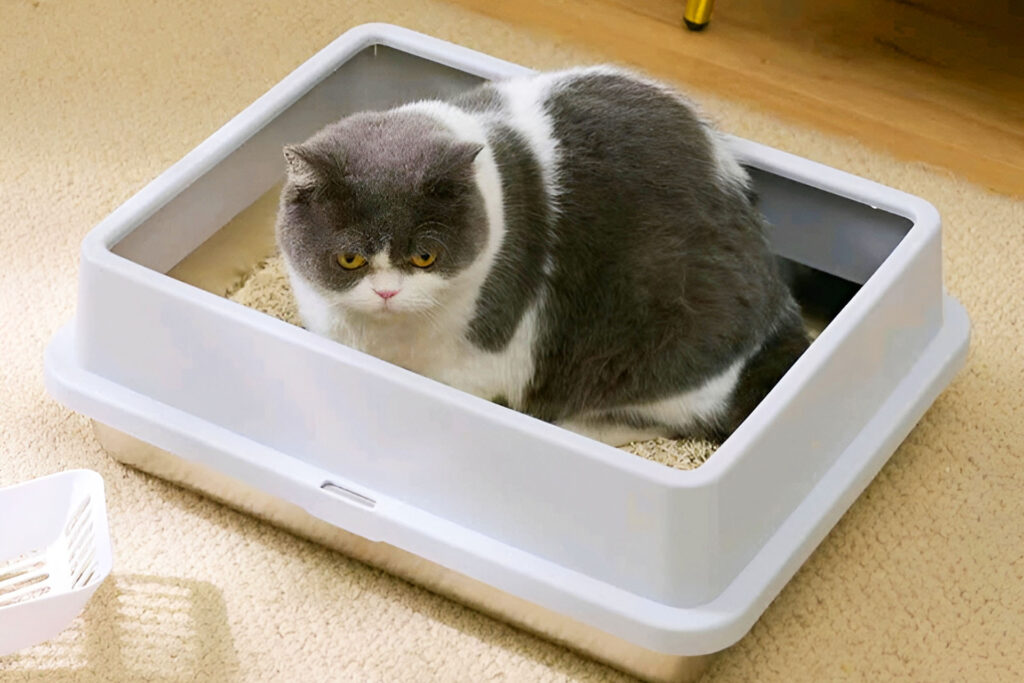
(3) Choosing the Litter Box: The size and style of the litter box also affect your cat’s experience. It is generally recommended that the length of the litter box be at least 1.5 times the length of your cat.
(4) Observe Your Cat’s Behavior: If your cat suddenly starts urinating in inappropriate places, besides considering the cat litter, be vigilant about possible health or behavioral issues and consult a veterinarian promptly.
Choosing cat litter is a process that requires patience and attention to detail. There is no one – size – fits – all best cat litter, only the one that is most suitable for you and your cat. By understanding your cat’s nature, the characteristics of different cat litters, and considering your own actual situation, you will surely find the ideal cat litter that allows your beloved pet to have a worry – free toileting experience. After all, when your cat is happy, you can be at ease!
 French
  English
  Spanish
  Arabic
  Russian