


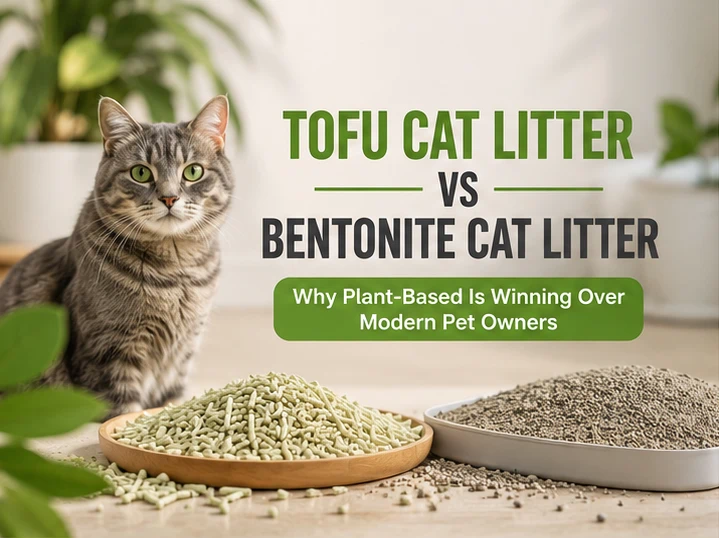
Tofu Cat Litter vs Bentonite Cat Litter: Why Plant-Based Is Winning Over Modern Pet Owners

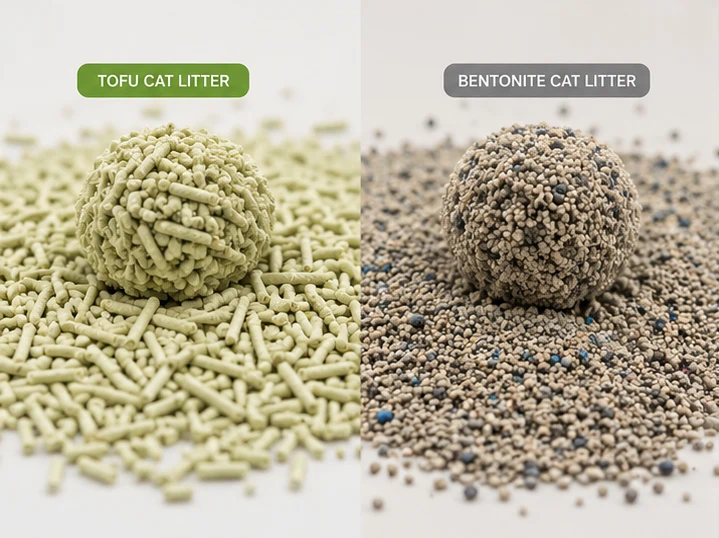
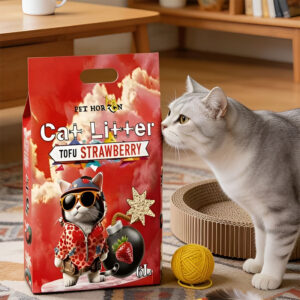
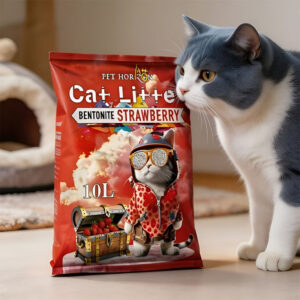
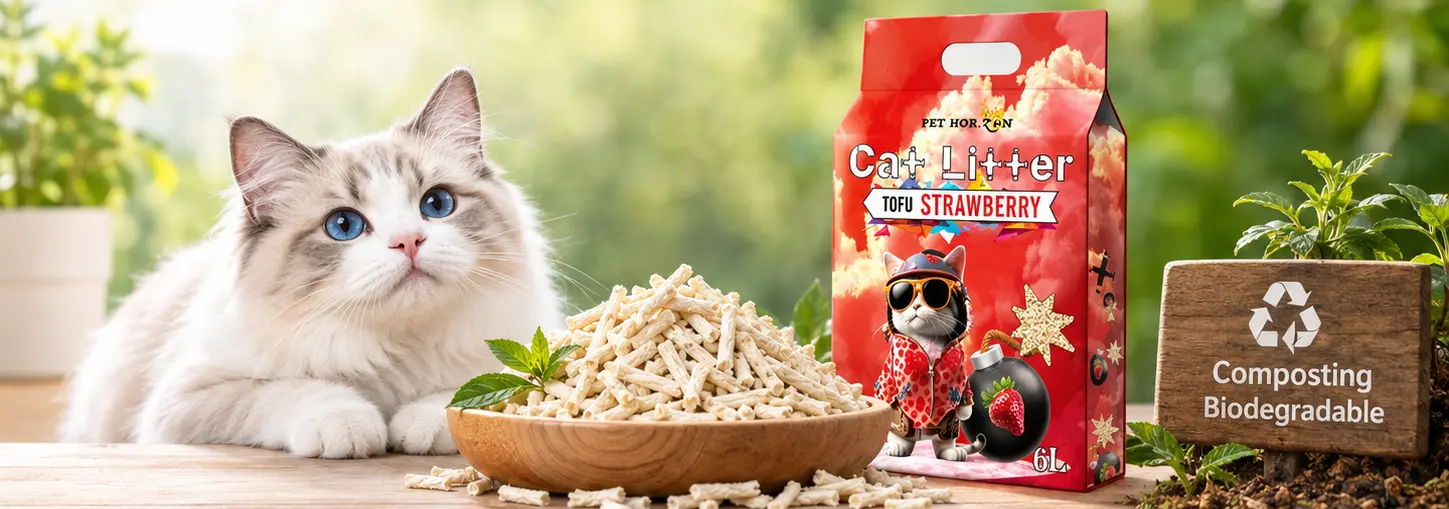
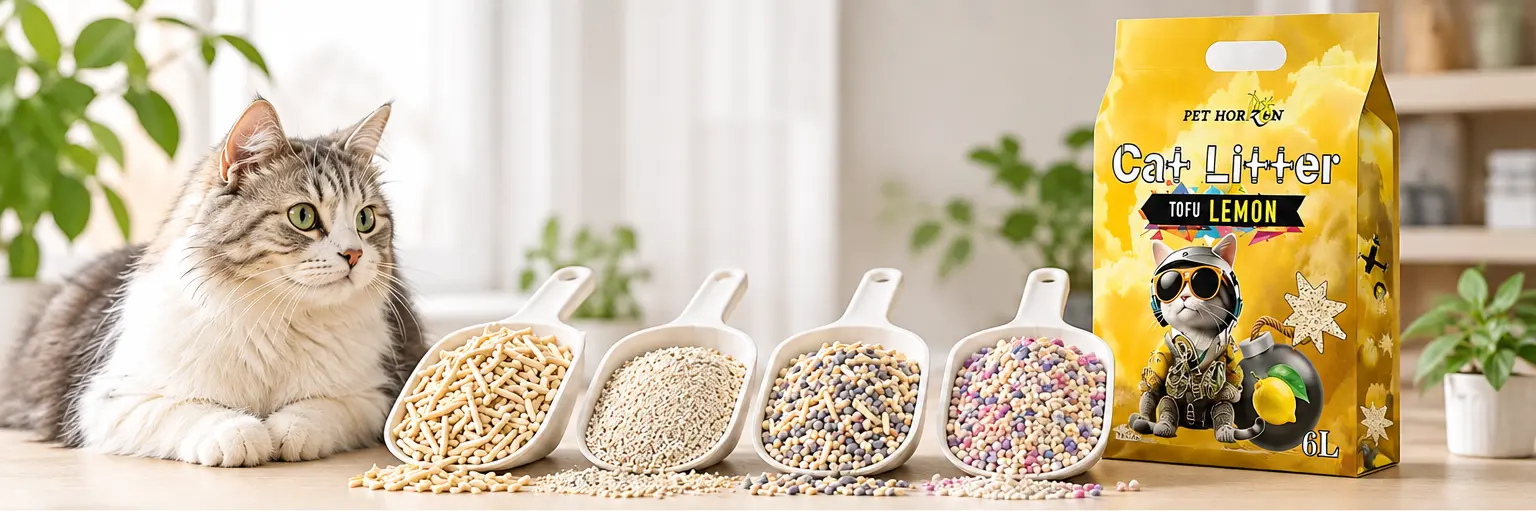
Tofu cat litter vs bentonite cat litter comparison showing plant-based litter advantages

🌿 Key Takeaways

  • According to Verified Market Reports, the global tofu cat litter market was valued at USD 217.51 million in 2024 and is projected to nearly double to USD 415.20 million by 2032, growing at a CAGR of 8.58%.
  • Grand View Research values the broader global cat litter market at USD 4.78 billion (2023), with plant-based litter identified as the fastest-growing segment.
  • Plant-based litter outperforms bentonite on every key dimension: safety, dust control, odor management, clumping efficiency, and biodegradability.
  • Flushable, compostable disposal makes tofu cat litter a practical everyday upgrade for urban households.
  • A generational shift in pet ownership values — from basic feeding to health-conscious, sustainability-driven care — is the core structural force behind this market transition.

The global cat litter market is undergoing a quiet but decisive transformation. For decades, bentonite cat litter dominated shelves as the default choice — affordable, familiar, and widely available. According to Grand View Research, the global cat litter market was valued at USD 4.78 billion in 2023 and is expected to grow at a CAGR of 5.3% through 2030. But within that growth story, one category is moving significantly faster than the rest: plant-based tofu cat litter, which Verified Market Reports projects will grow at a CAGR of 8.58% through 2032 — nearly double the pace of the overall market.

Why is tofu cat litter growing faster than bentonite cat litter? When comparing tofu cat litter vs bentonite cat litter across safety, performance, sustainability, and convenience, plant-based litter is increasingly becoming the preferred choice among modern pet owners. This article breaks down each of those dimensions in detail — including an honest look at why bentonite cat litter still commands a substantial share of the market today.

1. Raw Materials & Safety: Plant-Based Has the Stronger Foundation

Natural Ingredients, No Hidden Health Risks

Conventional bentonite cat litter is a mineral product, made by grinding naturally occurring bentonite ore. While that sounds straightforward, ore can carry trace heavy metals and chemical impurities introduced during mining and processing. Cats that habitually groom themselves after using the litter box, or occasionally ingest small amounts of litter directly, face real cumulative exposure risks from inferior bentonite products — including gastrointestinal obstruction and chronic low-grade toxicity. These risks are especially significant for kittens, pregnant cats, and animals with compromised immune systems. On top of that, many low-grade bentonite products add industrial synthetic fragrances and chemical deodorizers to mask odors rather than eliminate them. The resulting irritants can damage a cat’s respiratory tract over time, causing persistent sneezing, watery eyes, and stress responses.

Tofu cat litter is made from food-grade soybean pulp, pea fiber, and corn starch — renewable agricultural by-products that carry no chemical additives or heavy metal residues. Even if a cat accidentally ingests a small amount, the plant material passes safely through the digestive system without any risk of blockage. For pet owners who treat their cats as family members, this safety baseline is non-negotiable — and it consistently ranks as one of the top tofu cat litter benefits cited by owners who have made the switch. The natural, chemical-free ingredient profile also makes tofu cat litter suitable for cats of all life stages, from young kittens to senior cats.

To better understand the ingredients and manufacturing process, you can explore how tofu cat litter is made and why plant-based materials have become increasingly popular.

Genuinely Dust-Free — for Both Cats and Their Owners

Dust is one of bentonite cat litter’s most persistent and well-documented pain points. Because bentonite is processed by grinding mineral ore, it inherently contains fine particulate matter that becomes airborne during everyday use — during scooping, when cats dig and scratch, and even when they step in and out of the litter box. Those fine particles are easily inhaled by both cats and humans. Over time, regular inhalation contributes to respiratory disease in cats and can trigger or worsen existing conditions such as feline herpesvirus. For human household members, particularly those prone to allergies, the constant presence of airborne mineral dust irritates the nasal cavity and throat and degrades indoor air quality. Dust also settles on cats’ fur and paws, spreading to floors and furniture throughout the home — adding meaningfully to daily cleaning workload in an already busy household.

Tofu cat litter is formed through a high-temperature extrusion and precision molding process that produces a compact, structurally stable pellet with near-zero airborne particulate. There is no visible dust cloud during scooping or when cats use the box — making it one of the best-performing categories on dust control among all available litter types. This matters particularly in the sealed, compact living environments typical of urban apartments, where air circulation is limited and dust accumulation happens fast. Switching from bentonite to tofu litter is one of the most immediate and noticeable improvements cat owners report, both for their cats’ respiratory health and for the overall cleanliness of their homes.

Plant-based tofu cat litter made from soybean pulp compared with mineral bentonite cat litter

2. Daily Performance: Where the Real Difference Shows

Faster Absorption, Firmer Clumps, Lower Loss Rate

The core job of any cat litter is to absorb liquid, control odor, and form clean, removable clumps. In all three areas, high-quality tofu cat litter has moved decisively ahead of traditional bentonite. Laboratory testing shows that premium tofu litter absorbs liquid approximately 1.8 seconds faster than standard bentonite cat litter, with an absorption capacity reaching three times its own weight. It forms firm, compact clumps on contact — no granules breaking apart mid-scoop, no partial clumps collapsing back into the clean litter, and no wet residue adhering to the base of the tray.

Bentonite cat litter, by comparison, often allows urine to penetrate all the way to the tray floor before fully setting, creating a saturated layer at the base that is difficult to remove cleanly and serves as a reliable breeding ground for bacteria. The looser clump structure also means more litter is disturbed and wasted each time the box is scooped. With tofu litter, only the soiled clumps need to be removed — the surrounding clean litter stays fully usable, improving overall utilization by more than 30% compared to bentonite. That efficiency gap, sustained over weeks and months, translates into measurable cost savings and less frequent full litter changes.

Natural Odor Control That Holds Up in Real Conditions

Persistent litter box odor is the issue that cat-owning households complain about most — and it becomes significantly worse in summer heat and humid indoor conditions. Traditional bentonite cat litter addresses this through physical adsorption alone: it captures odor molecules within its structure up to a saturation point, after which odors reverse quickly and noticeably. Bentonite has no meaningful bacteriostatic properties, so once the litter begins to degrade, bacteria and mold growth accelerates, producing the strong ammonia smell that is particularly problematic in smaller urban living spaces.

The plant-based pore structure of tofu cat litter adsorbs odor molecules far more efficiently at the source, without requiring synthetic fragrance to compensate. Beyond structural adsorption, natural plant materials carry inherent antibacterial properties that slow the growth of bacteria and mold, extending the effective lifespan of the litter and delaying deterioration. Many upgraded tofu cat litter formulas layer in additional natural odor-neutralizing agents — green tea extract, bamboo charcoal, corn derivatives — that further elevate deodorization performance. The practical result is a litter box that stays genuinely dry and odor-neutral for significantly longer, making tofu cat litter particularly well-suited to closed, compact urban apartment environments where ventilation is limited.

Many pet owners looking for stronger odor control and low-dust performance are switching to premium tofu cat litter designed for modern indoor environments.

Flushable and Easy to Dispose Of — a Genuine Lifestyle Upgrade

One of the most underrated yet practical tofu cat litter benefits is how it handles disposal. Bentonite cat litter is non-biodegradable and completely water-insoluble. Every scoop of used litter must be bagged, sealed, and discarded as solid dry waste. For residents in high-rise buildings without convenient access to outdoor bins — a living situation that describes a large and growing share of urban cat owners — this creates a daily inconvenience that adds up quickly. Used litter bags accumulate between disposal runs, taking up space and introducing odor even when sealed.

Tofu cat litter dissolves in water. Soiled clumps can be dropped directly into the toilet and flushed away — no separate bag, no storage of used litter, no extra trips to the bin. For households where multiple cats use the same box, this simplification of the scooping routine saves meaningful time and effort every single day. Spent loose litter that hasn’t been soiled can alternatively be composted or used directly as fertilizer for houseplants or garden soil, making it a fully circular product at end of life. This disposal flexibility aligns naturally with the efficient, streamlined approach to daily routines that defines how younger urban pet owners want to manage their homes.

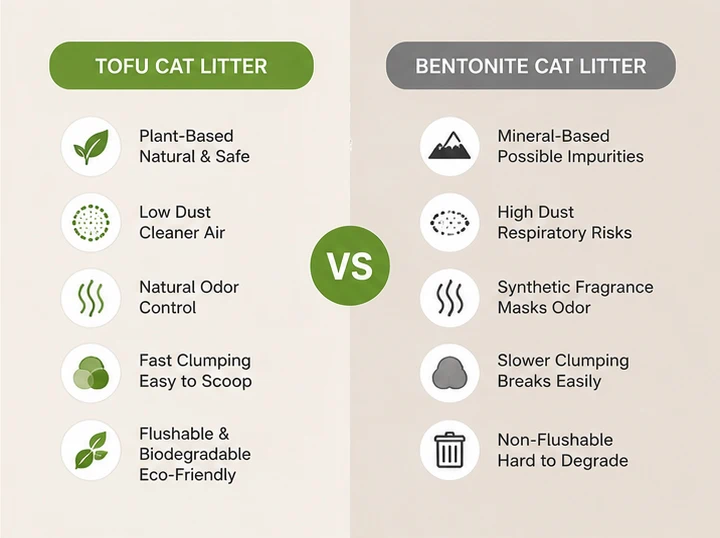
特徴豆腐猫砂ベントナイト猫砂
原材料Food-grade plant by-products (renewable)Mined mineral ore (non-renewable)
粉塵レベルNear-zero airborne dustHigh fine particulate dust
Clumping Speed~1.8s faster; firm clumps, no bottom adhesionSlower; clumps may break or stick to tray
消臭Natural adsorption + bacteriostatic propertiesPhysical adsorption only; reverses when saturated
Disposal MethodFlushable; compostable as garden fertilizerSolid waste only; must be bagged and discarded
Safety if IngestedFully digestible; no blockage riskRisk of gastrointestinal obstruction
Weight vs Equivalent Volume50–60% lighterHeavy; higher freight and handling costs
Litter Utilization Rate30%+ higher; clean litter stays usable longerHigher loss rate; more frequent full changes
BiodegradabilityFully biodegradable after disposalInert in landfill for decades
Clumping performance and odor control comparison of tofu cat litter vs bentonite cat litter

3. Environmental Value: A Structural Sustainability Advantage

Renewable Raw Materials, Greener Production Chain

From a supply chain perspective, bentonite cat litter is fundamentally dependent on the extraction of non-renewable mineral resources. Mining operations degrade surface land and surrounding ecosystems, and the ore refining and processing stages are both energy-intensive and pollution-generating. As global environmental regulations tighten and mineral extraction permits become harder and more expensive to obtain, production costs for bentonite cat litter have risen steadily year over year — putting sustained long-term pressure on price competitiveness at the manufacturing level. According to Fortune Business Insights, while the bentonite cat litter market continues to grow at a CAGR of approximately 4.82%, it faces increasing regulatory headwinds around mining sustainability that plant-based competitors simply do not.

Tofu cat litter’s core inputs — soybean pulp, pea fiber, and similar agricultural by-products — come directly from the food processing industry, where they are generated as waste. These materials are widely available, cost-effective, and renewable by nature, turning agricultural surplus into a functional consumer product. The entire production process operates at low energy consumption and low emissions, generating no harmful waste discharge. This clean production profile aligns closely with ESG development principles and has positioned plant-based cat litter as a priority category for both domestic and international pet brands seeking to align their product lines with sustainability commitments.

Fully Biodegradable, No Long-Term Environmental Burden

At end of life, the environmental gap between these two categories becomes even more pronounced. Discarded bentonite cat litter is classified as non-degradable solid waste. In landfill, it remains structurally intact for decades, gradually leaching mineral compounds into surrounding soil and groundwater. Incineration produces harmful off-gases. As garbage classification policies expand across major consumer markets and awareness of household waste impact grows, the complexity of responsibly disposing of non-degradable cat litter is increasingly visible to eco-conscious pet owners — and increasingly a factor in their purchasing decisions. A 2023 survey cited by Persistence Market Research found that 78% of millennials and Gen Z consumers prefer eco-friendly pet products, a figure that underscores how meaningfully environmental values now influence purchase behavior in this category.

Tofu cat litter decomposes naturally after disposal. When landfilled, it breaks down rapidly into organic matter and is fully reintegrated into the soil cycle, leaving no residue and causing no secondary pollution. Under the global wave of environmental awareness reshaping consumer behavior across categories, younger pet owners are actively choosing products that align with their values — and they are demonstrably willing to pay a premium for pet consumables that carry a credible environmental story. This dynamic has become one of the key tailwinds behind the continued expansion of the tofu cat litter market in both domestic and export contexts.

4. Market & Cost Advantages: Favorable Economics at Every Level

Lightweight Logistics, Better Margins Across the Supply Chain

One of the structural reasons explaining why tofu cat litter is becoming popular among brands, retailers, and logistics operators is weight. Tofu cat litter is 50–60% lighter than an equivalent volume of bentonite cat litter. For cross-border e-commerce and export-focused businesses, this directly reduces freight costs, warehousing overhead, and last-mile delivery expenses — a cost advantage that compounds at scale and meaningfully improves per-unit margin without requiring any change to the product itself.

For consumers, the weight difference is equally practical. Lightweight packaging is significantly easier to carry home from a store or receive as a delivery — a meaningful consideration for single-person households, apartment dwellers without elevator access, and the large share of cat owners who order litter online for home delivery. And while a single bag of quality tofu cat litter typically carries a higher unit price than entry-level bentonite options, its superior water absorption efficiency and lower loss rate extend its effective lifespan to roughly twice that of a comparable bentonite product. When evaluated on a cost-per-use basis over a full month, tofu litter’s long-term cost performance is competitive — and for many users, measurably better.

Product Innovation and Channel Expansion Accelerating Market Penetration

Current tofu cat litter market trends reflect rapid product diversification across the category. Leading brands are continuously deepening their tofu litter portfolios, launching targeted sub-lines to address specific needs: ultra-low-dust formulas for allergy-sensitive households, high-performance odor control blends for compact apartments, hybrid formulations combining tofu base with activated charcoal or other natural absorbents, and fragrance-free options for cats with scent sensitivities. This product depth creates viable entry points across multiple price tiers, supporting both mass-market and premium positioning strategies.

Online retail channels — DTC e-commerce platforms, live-stream commerce, and pet enthusiast communities — have been instrumental in accelerating category adoption. Content creators and pet-focused bloggers have played an especially significant role in reframing consumer understanding of cat litter categories, breaking down the traditional default assumption that bentonite cat litter is “good enough” and building awareness of the concrete, everyday advantages that tofu litter delivers. Their reach among the 18–35 demographic driving growth in the pet category has moved market perception faster than conventional advertising could achieve.

By contrast, bentonite cat litter product development has largely stagnated. The category’s core pain points — persistent dust, hard odor ceiling, inconvenient and non-recyclable disposal — have remained structurally unresolved for years, and the inability to address them has continuously eroded its competitive position among more demanding consumer segments. When examining bentonite cat litter vs tofu cat litter from a market trajectory standpoint, the substitution trend looks structural and self-reinforcing — not a short-term fashion cycle.

5. Why Bentonite Cat Litter Still Holds a Large Market Share

To give a complete and honest picture of this market, it’s important to acknowledge a fact that the growth narrative can sometimes obscure: bentonite cat litter is not going away anytime soon. According to Future Market Insights, clay-based litter still commanded approximately 68.5% of the global cat litter market in 2025, and the bentonite segment itself continues to grow — Fortune Business Insights projects it will reach USD 5.21 billion by 2034. There are real, practical reasons for this staying power.

Lower upfront cost. For price-sensitive households — particularly in emerging markets and among first-time cat owners — bentonite cat litter’s lower sticker price remains a decisive factor. Not every consumer is at a life stage where they’re willing or able to pay a premium for plant-based alternatives, even when the long-term cost-per-use math favors tofu litter.

Reliable clumping performance. Sodium bentonite can absorb 15 to 20 times its own dry volume, forming dense, compact clumps that many experienced cat owners find highly dependable. A survey by Packaged Facts found that 65% of pet owners cited odor control as the single most important factor when choosing cat litter — and well-formulated bentonite products still perform competitively on this metric, especially in multi-cat households where high-volume absorption is a priority.

Deep-rooted consumer familiarity. Millions of cat owners have used bentonite-based products for years without obvious problems. Habit and familiarity are powerful forces in any consumer category, and switching litter types requires active consideration — something many pet owners simply haven’t prioritized yet. Established brands like Purina Tidy Cats, Arm & Hammer, and Fresh Step continue to benefit from decades of trust-building and shelf presence across every major retail channel.

Universal availability. Bentonite cat litter is stocked in virtually every supermarket, convenience store, and online platform globally. In markets where tofu cat litter distribution is still developing, availability alone keeps bentonite the default choice for a large segment of buyers.

That said, the long-term direction is clear. Although bentonite cat litter remains popular, the structural trends in consumer values, environmental regulation, and product innovation are steadily compressing its advantages. As plant-based litter becomes more widely available, more competitively priced, and better understood by mainstream consumers, its share of new customer acquisitions — particularly among younger, urban, health-conscious pet owners — will continue to expand at bentonite’s expense.

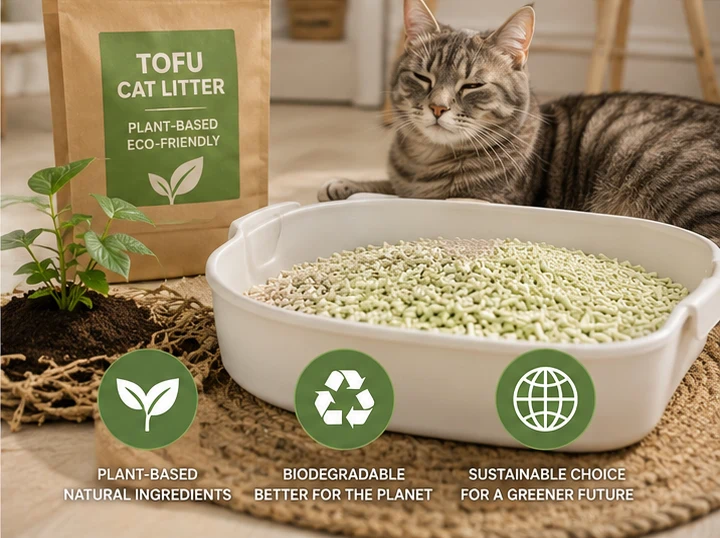
Growing popularity of plant-based tofu cat litter in the global cat litter market

6. The Bigger Picture: Refined Pet Ownership Is Rewriting the Rules

A complete understanding of why tofu cat litter is becoming popular requires stepping back from individual product features and looking at the fundamental shift in pet ownership culture driving demand across the entire category.

According to annual pet industry survey data, over 70% of young cat owners now describe their cats as family members and companions — not simply as animals or pets. This isn’t a superficial sentiment; it directly shapes how they evaluate and purchase every product that touches their cat’s daily life. The shift away from “basic feeding” toward deliberate, health-conscious, lifestyle-integrated pet care has raised the purchasing standard for all pet consumables, and cat litter is no exception.

Modern pet owners no longer evaluate cat litter purely on price and basic clumping performance. They weigh a full range of dimensions simultaneously: raw material safety and ingredient transparency, impact on indoor air quality and household cleanliness, ease and sustainability of disposal, compatibility with the physical constraints of urban apartment living, and alignment with broader personal values around health and environmental responsibility. This more demanding evaluation framework has exposed the accumulated shortcomings of traditional bentonite cat litter — shortcomings that existed for years but were simply accepted as the cost of the cheap default choice.

Bentonite cat litter has maintained a strong position in price-sensitive and lower-tier markets for years, largely on the strength of its low upfront cost. But product homogeneity is severe across the clay cat litter category, and its core pain points have gone unaddressed for so long that even its loyal user base is now actively looking for alternatives. The category no longer meets the needs of the mainstream consumer segment that is actually driving market growth.

Tofu cat litter, by contrast, has stepped directly into this gap. It addresses the full spectrum of concerns that define refined pet ownership: it is demonstrably safer for cats at every life stage, it eliminates the dust and odor issues that bentonite cat litter cannot solve, it simplifies daily cleaning routines in ways that genuinely matter for busy urban households, and it carries an environmental profile that resonates with the values of younger consumer cohorts. Pet owners increasingly concerned about feline health issues — respiratory sensitivities, gastrointestinal discomfort, allergic stress responses — find that tofu litter’s naturally dust-free, non-toxic, and low-sensitivity formulation directly addresses these concerns in a way that bentonite fundamentally cannot.

The generation of pet owners entering their peak spending years — millennials and Gen Z consumers who grew up treating pets as family — is both more informed and more willing to pay a reasonable premium for products that deliver a genuine upgrade in quality of life for their cats. They are actively researching and curating their pet product choices, rejecting the “low price is enough” mindset in favor of a more considered evaluation of value. Tofu cat litter’s precise fit with the realities of urban single-person households, compact apartment living, and health-sensitive pet raising has allowed it to transcend simple category competition and build sustained consumer loyalty across demographics.

While traditional bentonite cat litter can cover the functional baseline of liquid absorption and basic clumping, it cannot meet the multidimensional demands of today’s mainstream cat owner. Tofu cat litter answers those demands comprehensively — and that is the core competitive dynamic behind this market shift.

結論

The comparison between tofu cat litter vs bentonite cat litter isn’t determined by any single feature. It’s the accumulation of advantages across every dimension that matters — safer and cleaner raw materials, superior daily performance, sustainable production and end-of-life profile, lightweight logistics economics, rapid product innovation, and precise alignment with how a new generation of pet owners actually lives — that explains why plant-based litter is outpacing its mineral counterpart by such a decisive margin.

As plant-based litter continues to gain popularity worldwide, many brands and distributors are working with experienced tofu cat litter manufacturers to develop customized and private-label solutions.

Bentonite cat litter will continue to hold meaningful market share for years to come, sustained by price accessibility, consumer familiarity, and broad distribution. But as Verified Market Reports data confirms, the tofu cat litter segment is growing at nearly double the pace of the overall cat litter market — and the consumer values driving that growth are only becoming more entrenched. The current tofu cat litter market trends make clear that this is not a niche phenomenon or a temporary preference cycle. It is a category transition already well underway, and one that shows every sign of continuing to accelerate.

Frequently Asked Questions: Tofu Cat Litter vs Bentonite Cat Litter

Why is tofu cat litter growing faster than bentonite cat litter?

Tofu cat litter is growing faster because it offers better overall performance in safety, dust control, odor management, and environmental sustainability. In addition, rising consumer demand for healthier and more eco-friendly pet products is accelerating the shift from traditional bentonite cat litter to plant-based alternatives.

Is tofu cat litter safer for cats than bentonite cat litter?

Yes. Tofu cat litter is made from food-grade plant-based materials such as soybean pulp and corn starch, which contain no heavy metals or chemical additives. Even if accidentally ingested, it is generally digestible. Bentonite cat litter, by contrast, is a mined mineral product that may contain impurities and can pose risks if consumed.

Does tofu cat litter produce less dust than clay cat litter?

Yes. Tofu cat litter is produced through high-temperature processing that creates compact pellets with extremely low dust levels. Bentonite cat litter, made from crushed mineral ore, naturally produces fine dust that can affect both cats’ and humans’ respiratory health.

Which cat litter controls odor better, tofu or bentonite?

Tofu cat litter generally provides better odor control due to its natural porous structure and plant-based absorption properties. It can neutralize odors at the source and often includes natural additives such as bamboo charcoal or green tea extract. Bentonite litter relies mainly on physical absorption, which becomes less effective once saturated.

豆腐の猫砂はトイレに流せますか?

Yes, most tofu cat litter products are flushable in small quantities. It dissolves in water, making disposal easier and more convenient. Bentonite cat litter is not water-soluble and must be disposed of as solid waste.

Is tofu cat litter more expensive than bentonite cat litter?

The upfront price of tofu cat litter is usually higher. However, due to its stronger absorption, lower waste rate, and longer usability per bag, it often results in a lower overall cost per use compared to bentonite cat litter.

Is tofu cat litter suitable for all cats?

Yes. Tofu cat litter is suitable for kittens, adult cats, and senior cats. Its low-dust, non-toxic, and gentle formula makes it especially ideal for sensitive cats or those with respiratory issues.

Why do modern pet owners prefer tofu cat litter?

Modern pet owners increasingly prefer tofu cat litter because it aligns with their lifestyle values, including health safety, convenience, cleanliness, and environmental responsibility. As pet care becomes more refined, buyers are prioritizing overall experience rather than just price.

ペット・ホライズンについて

ペット・ホライズンは、豆腐猫砂、ベントナイト猫砂、OEM生産、プライベートブランドソリューションを専門とするプロフェッショナルな猫砂メーカーです。当社の工場では標準化された生産ラインを運用しており、世界中の販売代理店、卸売業者、ペットブランドに製品を提供しています。.

会社概要
商品カテゴリ
メーカー向けサービス
信頼できる猫用トイレ砂のメーカーをお探しですか?

ペット・ホライズンでは、以下のサービスを提供しています:

✓ OEM生産 ✓ プライベートブランドソリューション ✓ カスタムパッケージング ✓ グローバル輸出サポート

無料見積もりをご依頼ください
おすすめ商品
関連記事

お問い合わせ

今すぐお問い合わせください。.

24時間以内に返信いたします!