


豆腐猫砂の歴史と使用環境

Tofu cat litter

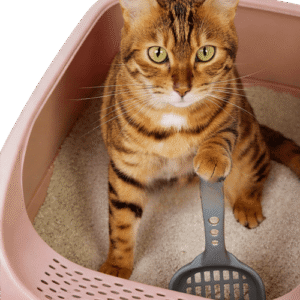
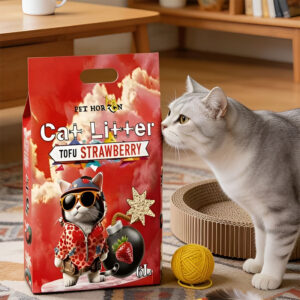
In the field of pet care, the evolution of cat litter has always revolved around the habits of cats and the needs of human caregivers. 豆腐の猫砂, as a representative of plant-based cat litters, has gradually become the market mainstream thanks to its core advantages of environmental friendliness and convenience. Its development history and the expansion of application scenarios are driven by the continuous R&D of cat litter companies and market demand, and it is well-suited to various places where cats gather.

The Origin and Early Development of Tofu Cat Litter

Emergence in East Asia

Looking back at the history of tofu cat litter, its prototype first emerged in East Asia at the beginning of this century. At that time, traditional mineral cat litter dominated the market, but its drawbacks such as high dust, poor degradability, and difficult cleaning became increasingly obvious.

Discovery of Soybean Dregs as Raw Material

With the rise of environmental awareness and the growing number of cat owners, cat litter companies started to explore natural and degradable materials. They discovered that soybean dregs from tofu production had strong water absorption and clumping properties, wide availability, and reasonable cost, making them suitable as cat litter raw materials.

First-Generation Product Development

In the early stage, companies conducted extensive trials to address issues such as shaping difficulty, moisture sensitivity, and weak deodorization. Through drying, granulating, and desensitizing processes, the first generation of tofu cat litter was created. Its natural composition reduced respiratory irritation in cats and met the emerging demand for eco-friendly products.

Industrialization and Product Upgrades

Transition from Niche to Mass Market

Initially, tofu cat litter relied on imports and remained expensive, limiting its adoption to niche users. Around 2010, domestic manufacturers began independent R&D and large-scale production, significantly reducing costs through supply chain optimization and process improvements.

Continuous Product Optimization

Cat litter companies continued to enhance product performance by:

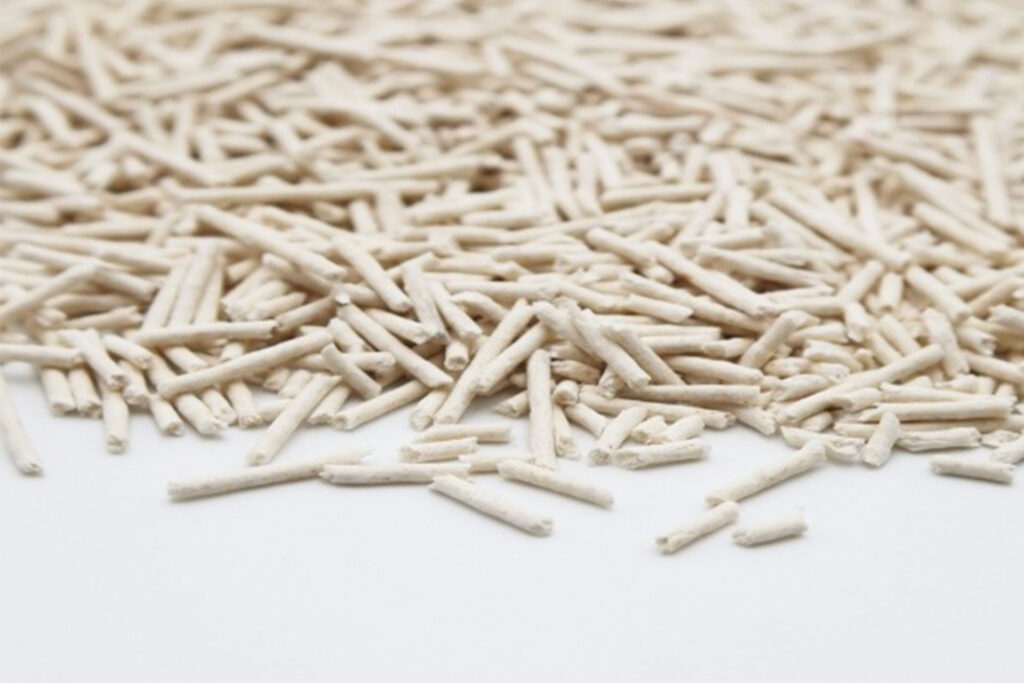
  • Refining particle size from strip-shaped granules
  • Improving clumping strength and absorption capacity
  • Adding activated carbon and plant extracts for better odor control
  • Introducing natural fragrances to improve user experience

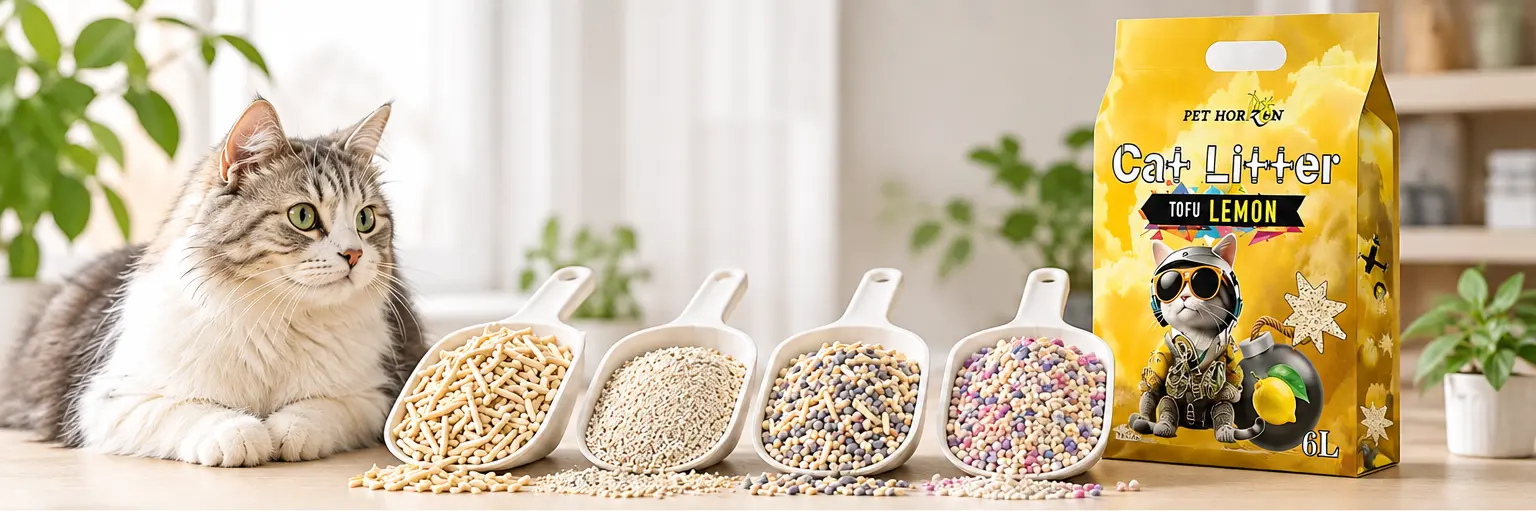
Diversification of Product Lines

Today, tofu cat litter has evolved into a multi-category, multi-functional product line. With strong cost-effectiveness and stable quality, it has gained dominance in both domestic and global markets.

Application Scenarios of Tofu Cat Litter

Household Cat Care Environments

Ideal for Apartments and Indoor Use

In home environments, especially high-rise apartments, tofu cat litter offers excellent convenience. Its flushable nature allows waste to be disposed of directly in the toilet, reducing handling effort.

Health and Environmental Benefits

Its low-dust property protects cats’ respiratory health and prevents indoor pollution. Additionally, its biodegradable composition aligns with modern environmental values.

Large-Scale Cat Facilities

Improved Efficiency and Cost Reduction

In places such as pet boarding centers and rescue shelters, tofu cat litter’s fast clumping and easy cleaning significantly improve efficiency and reduce labor costs.

Safe for All Cat Types

Its gentle, non-toxic formula is suitable for cats of all ages and breeds, including kittens and pregnant cats. Bulk packaging options further support high-volume usage needs.

Enhanced Odor Control

Optimized formulas help manage odors effectively in multi-cat environments, maintaining a cleaner atmosphere.

Specialized Environments such as Pet Hospitals

Low-Dust and Sterile Properties

In veterinary settings, tofu cat litter’s low dust minimizes irritation for sick or sensitive cats. Its sterilized processing reduces bacterial growth, supporting recovery.

Operational Convenience

Its easy cleaning process also reduces the workload for veterinary staff, allowing them to focus more on treatment and care.

Future Trends of Tofu Cat Litter Development

From its first-generation form to today’s diverse innovations, tofu cat litter reflects continuous improvement driven by market demand and technological advancement. It represents the broader trend in the pet care industry toward sustainability, convenience, and user-centric design.

As cat ownership environments continue to expand, manufacturers will further optimize formulas and production processes to meet diverse application needs, delivering better care experiences for both cats and their owners.

よくあるご質問

Where did tofu cat litter originate, and why was it developed?

Tofu cat litter originated in East Asia, specifically gaining popularity in Japan and China. It was developed as a solution to two primary challenges:
Environmental Concerns: Traditional clay litters involve strip mining, which is damaging to the earth, and they are not biodegradable. Tofu litter was created using the byproduct of tofu and soy milk production (bean dregs), turning agricultural waste into a functional, eco-friendly product.
Urban Living Constraints: In densely populated cities where trash disposal can be strict and space is limited, the “flushable” nature of tofu litter provided a convenient solution for pet owners to dispose of waste easily through the household plumbing system.

What type of household environment is best suited for the use of tofu cat litter?

While tofu cat litter is versatile, it is particularly effective in specific living scenarios:
Indoor Apartments: Because it is virtually dust-free, it is ideal for smaller, enclosed living spaces where air quality is a priority and where clay dust might settle on furniture or circulate through HVAC systems.
Multi-Cat Households: Its high-speed absorption and natural deodorizing properties help manage the increased odor and waste volume associated with having multiple cats.
Safety-Conscious Homes: For households with kittens who might accidentally ingest litter, or for owners with respiratory sensitivities, the food-grade, natural ingredients offer a safer, non-toxic environment compared to chemically treated alternatives.

その他の投稿

連絡先

jaJapanese

お問い合わせ

今すぐお問い合わせください。.

24時間以内に返信いたします!