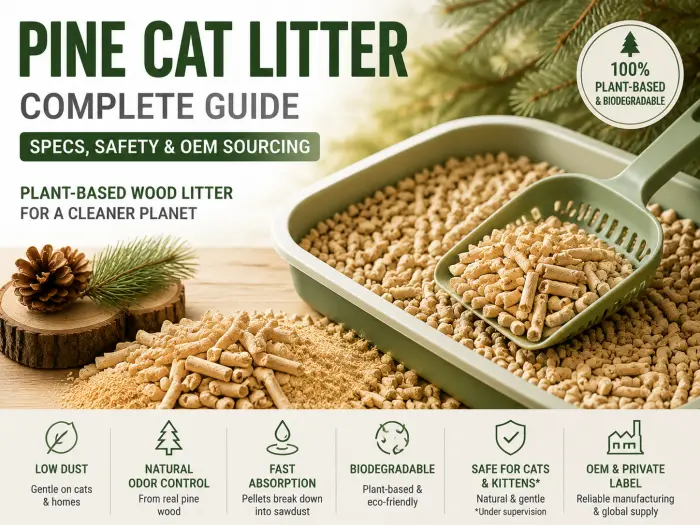





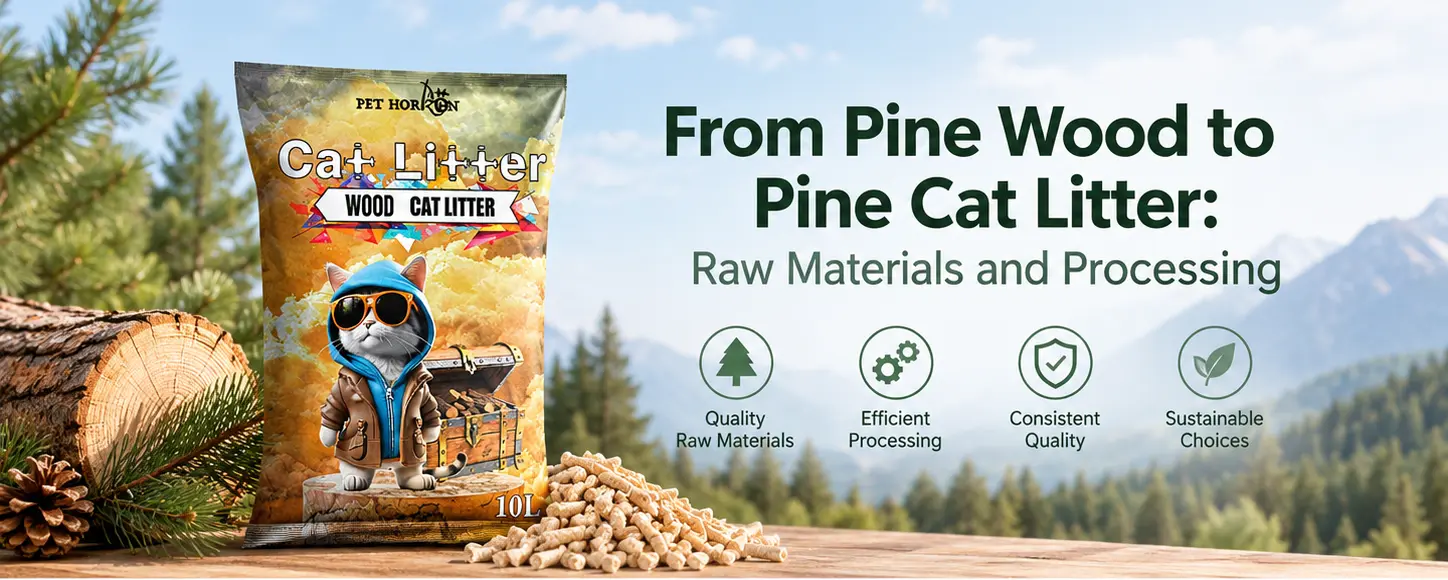
パイン猫砂は、液体の吸収とトイレの取り扱いに適した形状に加工された松ベースの木材から作られています。特定の原材料および追加成分は製品仕様書と照らし合わせて確認する必要があります。購入者にとって、材料の供給源と準備はペレットの密度、耐久性、水分挙動、最終製品中の遊離微粒子の量に影響を与える可能性があるため重要です。
猫砂の製造に松の木が使用される理由
パイン材を使用した猫砂は、液体の吸収やトイレの取り扱いに適した形状の木材を使用しています。製品のデザインによっては、加工された松のおがくず、木材繊維、またはその他の適切な木材加工残渣が原料となる場合があります。原料と調製方法は、ペレットの密度、耐久性、水分挙動、最終製品中の遊離微粒子の量に影響を与えるため、重要です。
B2B バイヤーにとって重要な質問は、単に製品がパイン材で作られているかどうかではありません。サプライヤーが生産バッチ全体で一貫した原材料と最終製品の仕様を維持できるかどうかです。これらの要因は、梱包性能、輸送時の損傷、ユーザーエクスペリエンス、およびプライベートブランド製品の一貫性に影響を与えます。
木材原料から完成ペレットまで
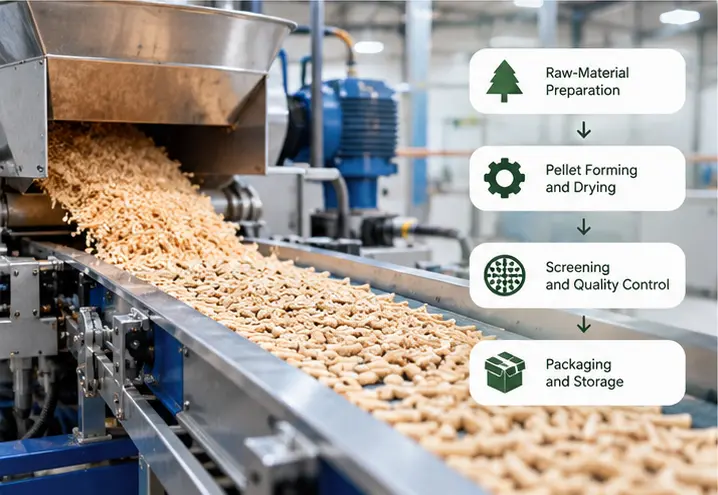
松材は、適切な木材粒子を梱包、輸送、使用に便利な形状に圧縮できるため、ペレット化猫砂の有用な原料です。ただし、完成品の性能は「松」という言葉だけで決まるのではなく、原材料と製造工程によって決まります。
原料の準備
粒子の組成と入ってくる水分は処理の一貫性に影響します。購入者は、供給者がどのようにして輸入木材を選択し、管理しているのかを尋ねるべきです。
ペレットの形成と乾燥
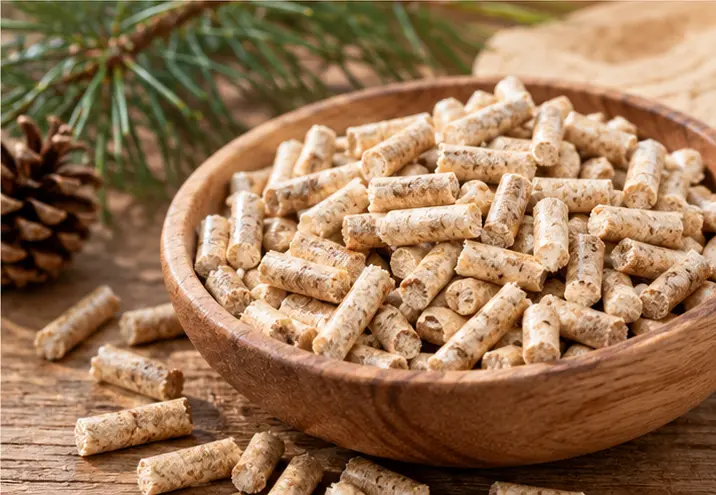
圧縮と粒子構造は、ペレットの完全性と破損に対する耐性に影響します。乾燥または調整により湿気が制御されるため、保管および輸送中に製品が安定します。高温炭化は松猫砂の普遍的な要件ではありません。正確な順序は機器や製品の仕様によって異なります。
スクリーニングと品質管理
ふるい分けと除塵は、遊離した微粒子を除去し、最終製品に含まれる塵の量を制御するのに役立ちます。適切な梱包と乾燥した保管条件により、出荷前に製品が保護されます。
パイン猫砂は一般に、濡れると柔らかくなったり分解したりする吸収性ペレットとして販売されていますが、その挙動は配合や製品設計によって異なります。天然木の匂いは製品の感覚特性に寄与する可能性がありますが、特定の臭気制御性能の証拠として扱うべきではありません。卸売およびプライベート ラベル プログラムの場合、バイヤーはサンプルと合意された仕様を使用して、吸収性、ペレットの耐久性、微粉含有量、水分、および包装の完全性を評価する必要があります。低粉塵または臭気制御の主張は、原材料のみから推測するのではなく、適切な製品テストによって裏付けられる必要があります。
パイン猫砂が市場に適合する場所
パイン猫砂は、木材ベースの猫砂のオプションを必要とする小売および商業ペットケア チャネルに対応できます。その適合性は、製品の吸収挙動、ペレットの形式、廃棄方法、対象となる顧客グループの好みによって異なります。
流通業者とプライベート ブランドの場合、次の 3 つの市場考慮事項が特に関係します。
- 木材ベースの製品範囲: 松砂は、複数の製品ポートフォリオにおいて豆腐やミネラルベースの猫砂を補完することができ、小売業者に提供できる新たな材料の選択肢を提供します。私たちのを参照してください 豆腐 vs 松猫砂 2 つの材料の仕様と調達の違いを比較します。
- ペレット猫砂に詳しいお客様: 顧客が猫砂の使用方法と維持方法を理解できるように、ペレットの形式と湿潤分解挙動を明確に説明する必要があります。
- 商業および複数拠点の購入者: 下宿施設やその他の複数の猫がいる環境では、松くずを検討する場合がありますが、購入の決定は、実際の消費量、清掃ルーチン、臭気性能、および総運営コストに基づいて行う必要があります。
すべての猫や施設に自動的に適した砂の種類はありません。松くず製品を発売する前に、ブランドは代表的なサンプルで性能を検証し、使用、洗浄、廃棄についての明確な指示を提供する必要があります。
松猫砂の持続可能性への配慮
木材は、責任を持って管理された供給源から供給されれば再生可能な資源ですが、完成した猫砂製品の環境プロファイルは、その原材料以上のものに依存します。購入者は、木材の産地、調達記録があるかどうか、材料がどのように加工されるか、どのような梱包が使用されるか、製品がどのように廃棄されるかを考慮する必要があります。
輸入業者やプライベート ブランドの場合、次のような便利なチェックが必要です。
- サプライヤーが原材料の供給元を特定し、文書化できるかどうか。
- 持続可能性や調達に関する主張が適切な記録や認証によって裏付けられているかどうかは、次のような枠組みに照らして審査されます。 EUDR猫砂木材サプライチェーン 関連する場合は要件を満たします。
- 梱包と保管の要件が、製品の損傷や回避可能な廃棄の防止に役立つかどうか。
- 廃棄指示が最終製品と地域の廃棄物管理規則を反映しているかどうか。
松ベースの素材は、木材ベースの猫砂製品を開発しているブランドにとって有用な選択肢となる可能性があります。ただし、「環境に優しい」、「持続可能な調達」、または「生分解性」などの主張は、木材の存在のみから推測するのではなく、具体的で実証され、目的地市場に適したものである必要があります。
輸入業者が松猫砂の供給業者に確認すべきこと
卸売またはプライベートブランドの注文を行う前に、購入者はサプライヤーが原材料と最終製品の品質をどのように管理しているかを確認する必要があります。有用な評価には、製品の説明や単一のサンプル以上のものが含まれている必要があります。
- 原材料の一貫性: サプライヤーが入荷する木材をどのように識別して管理しているか尋ねてください。
- ペレット仕様: 粒子の寸法、関連する嵩密度、水分制限、微粒子の許容レベルを確認します。
- パフォーマンステスト: 吸収性とペレットの耐久性に関するテスト結果または合意されたサンプル評価手順を要求します。
- バッチの一貫性: 製造ロットの検査方法や不適合品の処理方法を確認します。
- 梱包と発送: 梱包仕様、保管要件、輸送中のペレットの破損を減らすための対策を検討してください。
- プライベートブランドの要件: 生産前に、製品仕様、パッケージアートワーク、ラベル表示、および合格基準について合意します。
正確な仕様は、製品設計とターゲット市場に一致する必要があります。品質管理手順を説明し、合意された要件を文書化できるサプライヤーは、裏付けのない性能主張だけよりも、繰り返し注文するための強力な根拠を買い手に与えます。
結論
松材は、原材料、加工方法、最終製品の仕様が連携して初めて有用な猫砂の原料となります。輸入業者やプライベート ブランド ブランドにとって、これらの要素を理解することは、幅広い材料の選択をより現実的な調達の決定に変えるのに役立ちます。大量注文を確定する前に、完成したペレットを評価し、裏付けとなる品質情報を要求し、一貫した仕様を確認します。製品の詳細と調達オプションについては、Pet Horizon のサイトを参照してください。 パイン猫砂範囲.
よくあるご質問
松猫砂の原料は何ですか?
パイン猫砂は通常、ペレットに形成された加工された松ベースの木材から作られます。正確な原材料、加工方法、追加成分は製品仕様によって異なります。卸売またはプライベートブランド生産の製品を評価する場合、購入者はサプライヤーに確認を要求する必要があります。
松猫砂は通常どのように製造されますか?
生産ラインによっては、プロセスには、原材料の準備、水分調整、ペレット形成、乾燥または調整、ふるい分け、除塵、および包装が含まれる場合があります。購入者は、すべての松くず製品が同じ方法に従っていると考えるのではなく、サプライヤーが使用している実際のプロセスを確認する必要があります。
輸入業者が松猫砂を調達する際にチェックすべきことは何ですか?
輸入者は、吸収挙動、ペレットの耐久性、微粉含有量、水分、包装の完全性、バッチの一貫性、およびサポートする製品文書を評価する必要があります。プライベートブランドの注文の場合、量産前に合意された仕様と合格基準を確認する必要があります。
松猫砂は生分解性ですか、それとも環境に優しいですか?
パインは植物由来の再生可能な原料ですが、生分解性と環境保護主張は、「パイン」という言葉だけではなく、最終製品、パッケージング、目的地市場の廃棄規則によって決まります。購入者は、環境に優しい、堆肥化可能、または生分解性の主張をマーケティングに使用する前に、その主張の裏付けを要求する必要があります。
松猫砂は化学物質を添加せずに臭いを抑制しますか?
天然木には特有の香りがありますが、その香りだけで臭気抑制性能が測定されたことを証明するものではありません。臭気の結果は、配合、ペレットの構造、砂の使用方法と維持方法によって異なります。購入者は、臭気抑制効果を主張する場合、原材料が効果を発揮すると考えるのではなく、その裏にある試験証拠を尋ねるべきです。
B2B調達において、松猫砂と豆腐猫砂はどう違うのでしょうか?
松は通常、木質ペレットの吸収性形式であるのに対し、豆腐リターは通常、植物ベースの凝集形式です。それらは、凝集挙動、嵩密度、粉塵、廃棄ルート、陸揚げコストが異なります。仕様を並べて比較するには、当社の資料を参照してください。 豆腐 vs 松猫砂 ガイド。.
松猫砂は自動トイレに使用できますか?
互換性は猫砂の設計と松砂の形式によって異なります。従来の松ペレットは、多くの場合、凝集しない猫砂用に設計されたふるい分けシステムや猫砂箱に適していますが、一部のレーキ式システムや回転システムでは、特定の凝集特性や粒子特性が必要です。購入者は、自動トイレ用に推奨する前に、デバイスのメーカーの互換性ガイダンスを確認し、対象の猫砂をテストする必要があります。