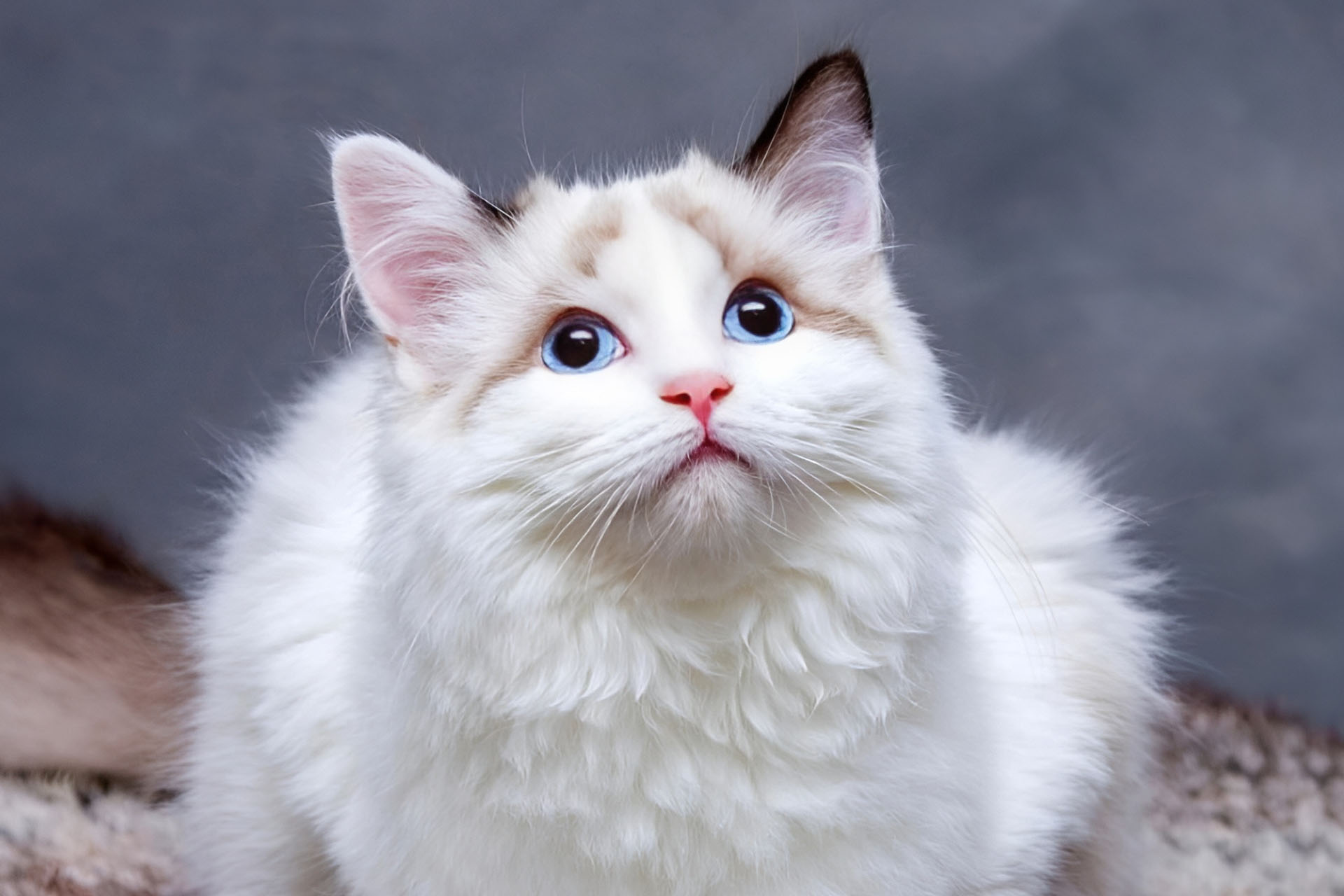





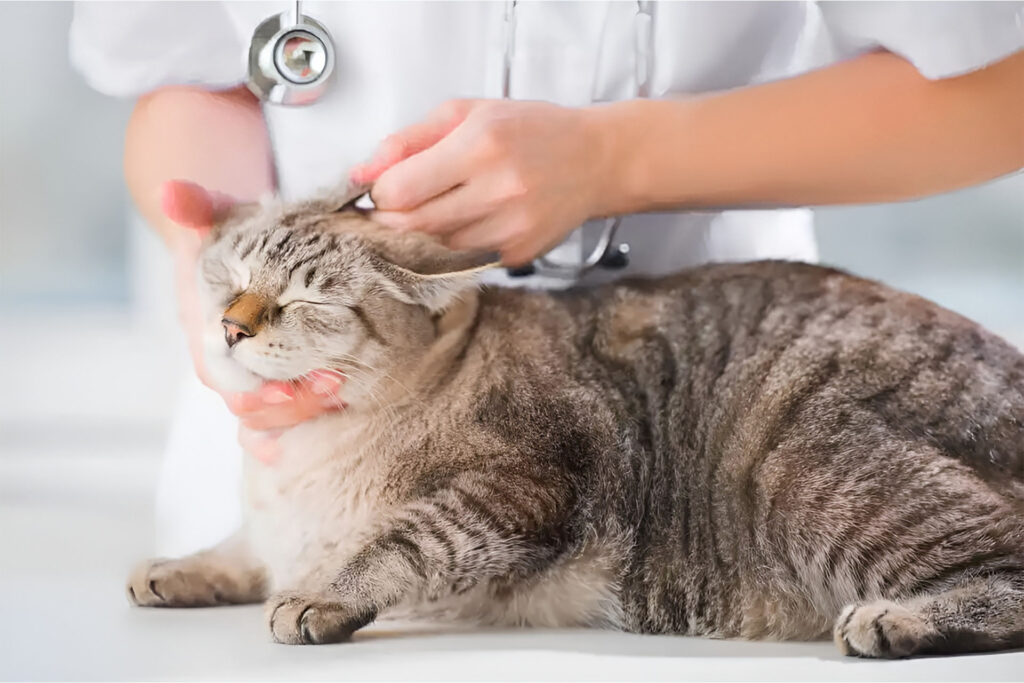
Любой, у кого когда-либо была кошка, знает, что «владение кошкой» — это, по сути, «сладкий обман», который длится больше десяти лет. Вы думаете, что приносите домой мягкого и пушистого маленького ангела, а на самом деле берете к себе «пушистого хозяина», сочетающего в себе высокомерие, лень и немного дикий нрав. Ежедневный уход за кошкой — самая сложная часть этого «обмана», проверяющая ваши актерские способности, физическую силу и душевную стойкость.
От «укрощения зверя голыми руками» во время груминга до «месть мокрой кошки» после купания — каждый сеанс ухода за кошкой кажется битвой без пороха. Владельцы кошек могут получить боли в спине, царапины и укусы, но они всё равно продолжают свой путь «служения своим питомцам». Сегодня давайте углубимся в «историю крови и слёз» ежедневного ухода за кошками и поделимся руководством по выживанию, которое поможет вам реже получать царапины и меньше злиться.
1. Уход за собой: 30-секундное преображение из «спокойных моментов» в «хаос»
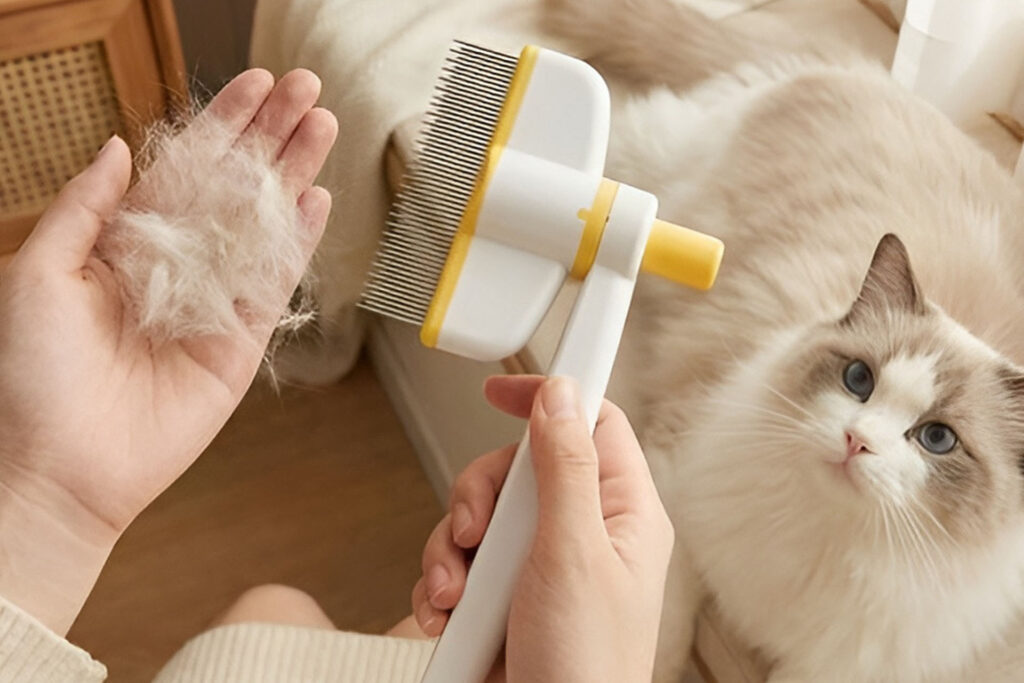
Для владельцев длинношерстных кошек груминг, безусловно, является самой сложной частью ежедневного ухода. Вы можете представить себе сцену, где светит солнце, кошка нежно лежит у вас на коленях, а вы расческой мягко поглаживаете ее пушистую шерсть, создавая мирный и трогательный момент. Однако в реальности, как только вы подойдете с расческой, спящая кошка внезапно проснется. Ее уши прижмутся, тело напряжется, как натянутая тетива, а глаза, кажется, скажут: «Как ты смеешь трогать хоть один волосок на мне!»
Когда я впервые попыталась вычесать своего британского длинношерстного кота по кличке «Угольный шар», я наивно полагала, что наша крепкая «мать-сын» заставит его сотрудничать. Я осторожно взяла расческу и лишь слегка коснулась его спины. Он подпрыгнул, как кролик, которому наступили на хвост, и зашипел на расческу, словно ужасный монстр. Я не сдалась и попыталась удержать его, чтобы продолжить вычесывание. Но он тут же показал свои острые когти, оставив три царапины на моей руке. Затем он грациозно запрыгнул на верхнюю полку шкафа и посмотрел на меня сверху вниз с насмешливым взглядом, словно говоря: «Ты? Думаешь, ты сможешь меня вычесать?»
Позже я понял, что ключ к уходу за шерстью — это «хитрость», а не «сила». Во-первых, выберите подходящее время. Делайте это, когда кошка сыта и сонная, когда её сопротивление минимально. Во-вторых, следуйте принципу «постепенного прогресса». Начните с нежного поглаживания шерсти пальцами, чтобы она расслабилась. Затем перемешайте расчёску пальцами, имитируя почесывание. Начните с наименее чувствительной части спины и постепенно переходите к более чувствительным зонам, таким как подмышки и живот.
Наконец, приготовьте несколько «взяток». Награждайте его сублимированным лакомством каждый раз, когда вы расчесываете небольшой участок его шерсти, чтобы у него сформировался условный рефлекс: «уход за шерстью = получение чего-нибудь вкусненького». Теперь Угольный Шар может спокойно лежать у меня на коленях во время ухода. Иногда он даже подставляет голову, чтобы я расчесала ему подбородок, хотя все еще тайком кусает расческу, когда я не смотрю, словно пытаясь сохранить последние остатки своего «кошачьего достоинства».
Стоит отметить, что уход за короткошерстными кошками тоже не стоит недооценивать. Не стоит думать, что короткошерстные кошки не будут запутываться только потому, что у них короткая шерсть. На самом деле, их шерсть более густая и легко задерживает грязь. Особенно в период линьки, если вы не будете вовремя вычесывать их, ваш дом будет полон кошачьей шерсти. Везде: на диване, одежде и даже в миске с едой — кошачья шерсть заставит вас переосмыслить свою жизнь. Американская короткошерстная кошка моей подруги, «Лаки», — типичный «линяющий монстр». Каждый раз, когда моя подруга расчесывает её, из шерсти вываливается целый «комок». Моя подруга шутит, что из собранной шерсти можно связать свитер за год.
2. Купание: Битва «воды и огня» — экстремальное испытание для владельцев кошек.
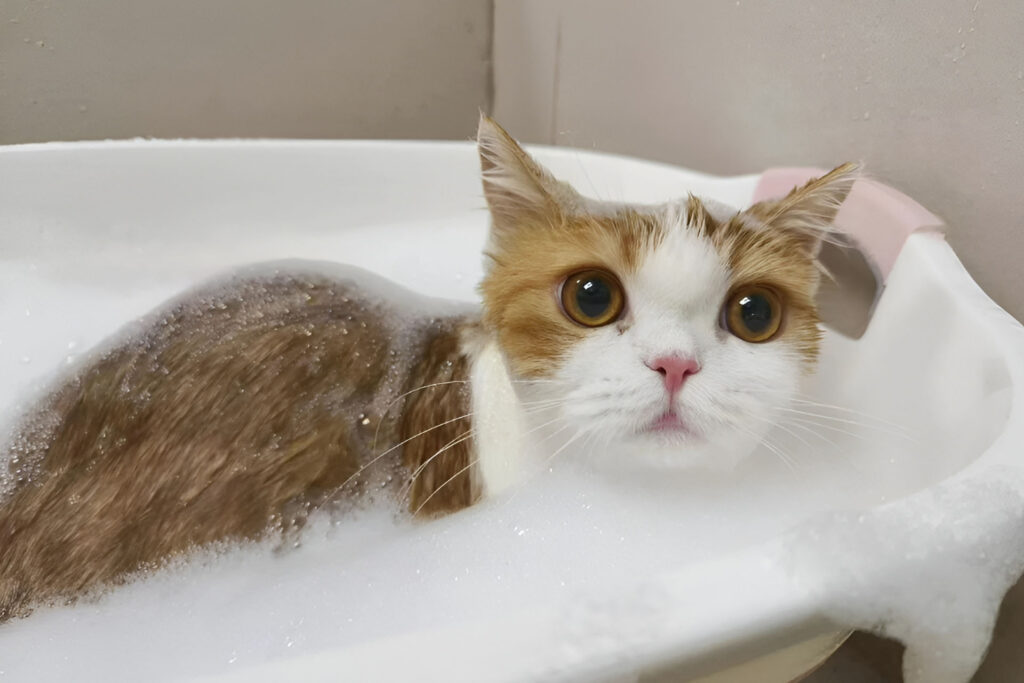
Если уход за шерстью — это всего лишь «незначительная стычка», то купание — это, безусловно, «битва века» в уходе за кошками. Около 90% кошек испытывают необъяснимый страх перед водой, как будто вода в ванне — это какое-то «волшебное зелье», способное их растопить. Оставшиеся 10% либо являются прирожденными «пловцами», либо были «мысленно убеждены» своими хозяевами с детства и перестали сопротивляться.
Мой Коул Болл явно относится к первой группе. Первое купание стало для меня настоящим «кошмаром», который я до сих пор отчетливо помню. Чтобы подготовиться к купанию, я заперла дверь в ванную, чтобы он не убежал, отрегулировала температуру воды примерно до 38°C, что близко к температуре тела кошки, и приготовила специальный кошачий шампунь, полотенце и фен. Когда я занесла Коул Болла в ванную и посадила в ванну, он начал отчаянно сопротивляться. Его когти взмахнули в воздухе, и он издал пронзительный крик, от которого у меня замерло сердце, словно с ним жестоко обращались.
Оно было невероятно сильным. Будучи взрослой женщиной, я едва могла его удержать. Оно пыталось выпрыгнуть из ванны, обрызгав меня водой. Ванная комната была залита пеной, и ситуация вышла из-под контроля. Я попыталась смыть его водой из душевой лейки, но оно укусило лейку и не отпускало, словно поймало какой-то «трофей». После того, как я наконец закончила принимать ванну, я была вся мокрая, с несколькими новыми царапинами на руках и ногах. Угольный Шар был похож на мокрую курицу, дрожа в углу, глядя на меня ядовитым взглядом, словно говоря: «Подожди, я отомщу».
И действительно, после того как я высушила его шерсть феном, он восстановил силы и приступил к своему «плану мести». Сначала он помочился на мою кровать. Затем он сбросил мою любимую помаду со стола и разбил её. Наконец, он запрыгнул на книжную полку и опрокинул несколько книг, словно заявляя: «Как ты смеешь меня купать? Вот тебе и наказание!»
После этого болезненного опыта я придумала «правило выживания при купании». Во-первых, контролируйте частоту купания. Кошки от природы чистоплотны и сами ухаживают за собой. Как правило, короткошерстным кошкам достаточно купаться раз в 1-2 месяца, а длинношерстным — раз в 2-3 месяца. Слишком частое купание может повредить кожный жировой слой, что приведет к зуду и сухости шерсти. Во-вторых, купайте быстро. Не затягивайте. Старайтесь, чтобы весь процесс уложился в 10 минут, чтобы не слишком нервировать кошку.
Наконец, после купания хорошенько позаботьтесь о том, чтобы успокоить кошку. Накормите её достаточным количеством сублимированных лакомств и поиграйте с её любимыми игрушками, чтобы она ассоциировала купание с чем-то приятным и постепенно преодолела свой страх. Теперь, хотя Коул Болл всё ещё не любит купаться, он сопротивляется уже не так яростно, как раньше. Он просто выглядит скучающим на протяжении всего процесса и позволяет мне делать то, что мне нужно. После купания он больше не будет мстить. Вместо этого он быстро найдёт тёплое место, чтобы вылизаться.
3. Стрижка когтей: «Стрижка когтей = угроза жизни»? Больше нет!
Когти кошки — это её «оружие» и одновременно «кошмар» для владельцев. Острые когти могут поцарапать диван и шторы, а также случайно поцарапать вас во время общения. Поэтому регулярная стрижка когтей — неотъемлемая часть ежедневного ухода за кошкой. Однако для большинства кошек стрижка когтей так же страшна, как и купание. Каждая попытка подстричь им когти — это как «борьба не на жизнь, а на смерть».
Когтеточка Coal Ball сопротивляется стрижке когтей так же сильно, как и купанию. Каждый раз, когда я достаю когтерезку, она тут же прячется. Она либо заползает под диван, либо запрыгивает на верхнюю полку шкафа и не выходит оттуда, сколько бы я её ни звала.
Однажды мне удалось вытащить его из-под дивана и взять за лапу, чтобы подстричь когти. Он отчаянно сопротивлялся, рычал и пинал лапами, чуть не выбив когтерезку из моей руки. Я пытался успокоить его, тихо говоря: «Угольный шарик, веди себя хорошо. После того, как подстрижешь когти, ты больше не поцарапаешь диван и меня». Но он явно не понимал и сопротивлялся еще яростнее. В конце концов, мне пришлось беспомощно сдаться, наблюдая, как он триумфально убегает, испытывая крайнее разочарование.
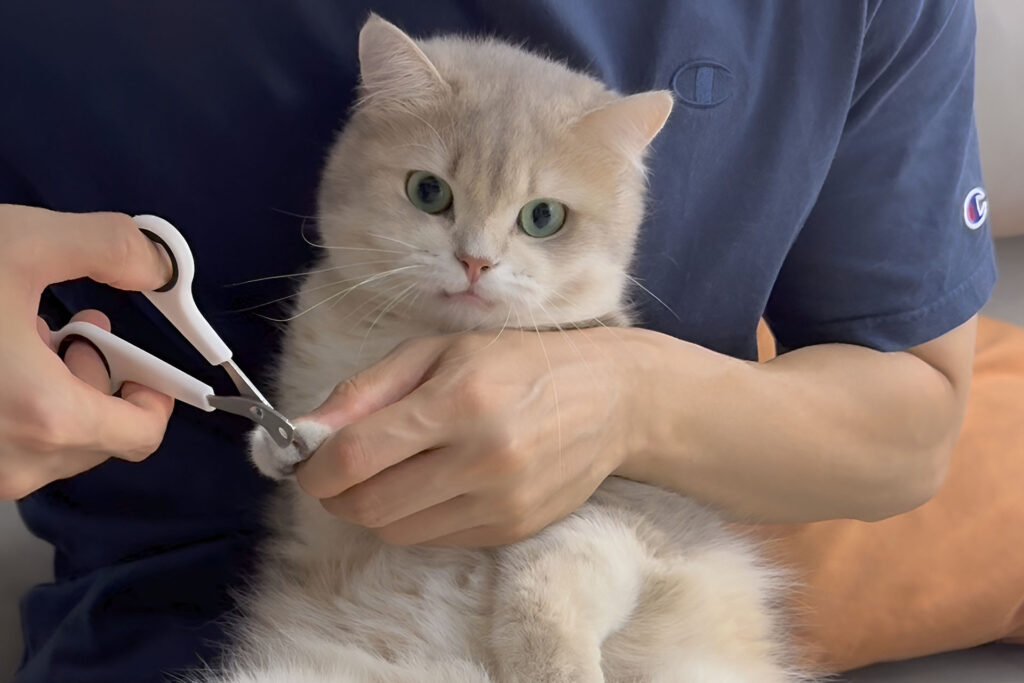
Позже я спросила опытного владельца кошек и узнала, что есть «хитрости» в стрижке когтей. Во-первых, выберите подходящие когтерезки. Лучше всего использовать специальные когтерезки для кошек, которые маленькие, удобны в использовании и не повредят кровеносные сосуды или нервы животного.
Во-вторых, освойте правильный метод. При подстригании аккуратно возьмите лапу кошки и обнажите коготь. Внимательно рассмотрите структуру когтя и подстригайте только прозрачный кончик. Никогда не срезайте розовую часть, иначе она будет кровоточить и напугает кошку. Наконец, хорошо успокойте кошку. Вознаграждайте ее сублимированным лакомством после подстригания каждой лапы, чтобы она поняла, что подстригание когтей — это не страшно.
После многих попыток Коул Болл наконец-то может согласиться на стрижку когтей. Хотя он все еще немного нервничает и напрягается во время процедуры, сопротивление уже не такое сильное, как раньше. Иногда, после того как я подстригаю когти на одной лапе, он даже подставляет другую, как бы говоря: «Поторопись, я хочу свое сублимированное лакомство!» Видя это, я испытываю огромное облегчение, чувствуя, что все мои усилия наконец-то окупились.
4. Уход за полостью рта: проблема «неприятного запаха изо рта» у кошки на самом деле довольно серьезна!
Многие владельцы кошек пренебрегают уходом за полостью рта своих питомцев, полагая, что кошки сами чистят рот и не нуждаются в дополнительном уходе. Однако проблемы с полостью рта у кошек очень распространены. Неприятный запах изо рта, гингивит и пародонтит — все это довольно распространенные заболевания. Если не принять меры вовремя, это не только повлияет на аппетит и здоровье кошки, но и причинит вам страдания при тесном контакте с ней.
У Коул Болла раньше была серьёзная проблема с неприятным запахом изо рта. Каждый раз, когда он подходил, чтобы меня лизнуть, меня обдало резким запахом, от которого меня тошнило. Сначала я думал, что он съел что-то грязное, и не обращал на это особого внимания. Но однажды я заметил, что он ест очень осторожно и часто чешет рот лапой. Тогда я понял серьёзность проблемы.
После осмотра у ветеринара мне сказали, что у Коул Болла гингивит, главным образом из-за того, что ему долгое время не чистили рот. Остатки пищи образовали на зубах налет и зубной камень, раздражая десны. Ветеринар провел процедуру чистки зубов и посоветовал мне с тех пор регулярно чистить ему рот.
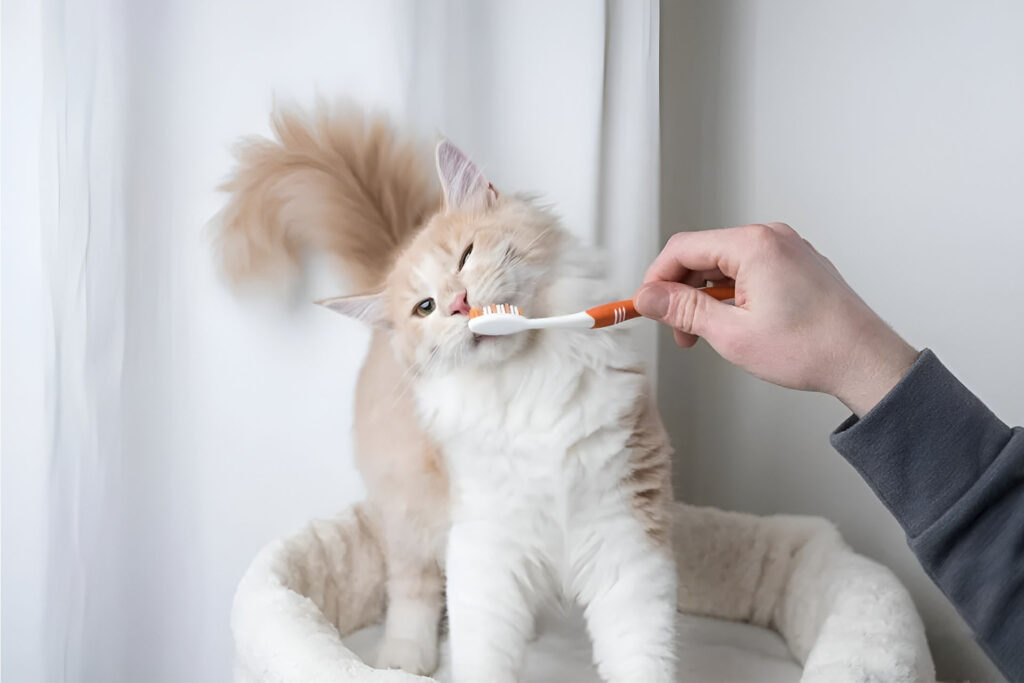
С тех пор я стала уделять больше внимания уходу за полостью рта Коул Болла. Сначала я пыталась чистить ему зубы щеткой-пальцем, но он сильно сопротивлялся, вырывался и кусал мой палец. Позже я перешла на специальный ополаскиватель для полости рта для кошек. Я разбавляла ополаскиватель и добавляла его в питьевую воду, чтобы он мог очищать рот во время питья. Этот метод удобнее, и Коул Болл не сопротивляется. Через некоторое время проблема с неприятным запахом изо рта значительно улучшилась. Теперь я также регулярно даю ему лакомства для чистки зубов. Эти лакомства помогают очищать зубы и предотвращать образование зубного налета и камня.
Важно отметить, что при чистке полости рта кошки необходимо использовать специальные средства для ухода за полостью рта, предназначенные именно для кошек. Не используйте человеческую зубную пасту или ополаскиватель для рта, так как содержащиеся в них ингредиенты могут навредить здоровью кошки. Если у кошки возникли серьезные проблемы с полостью рта, такие как опухшие и кровоточащие десны или сильный неприятный запах изо рта, необходимо немедленно обратиться к ветеринару и не пытаться справиться с проблемой самостоятельно.
5. Уход за ушами: Не позволяйте «маленьким ушам» превратиться в «большую проблему»
Уши кошек очень чувствительны и подвержены бактериальным и грибковым инфекциям, которые могут привести к воспалению ушей. Особенно у длинношерстных кошек длинная шерсть вокруг ушей может закупоривать уши, затрудняя циркуляцию воздуха и увеличивая риск проблем. Поэтому регулярная чистка ушей также является важной частью ежедневного ухода за кошкой.
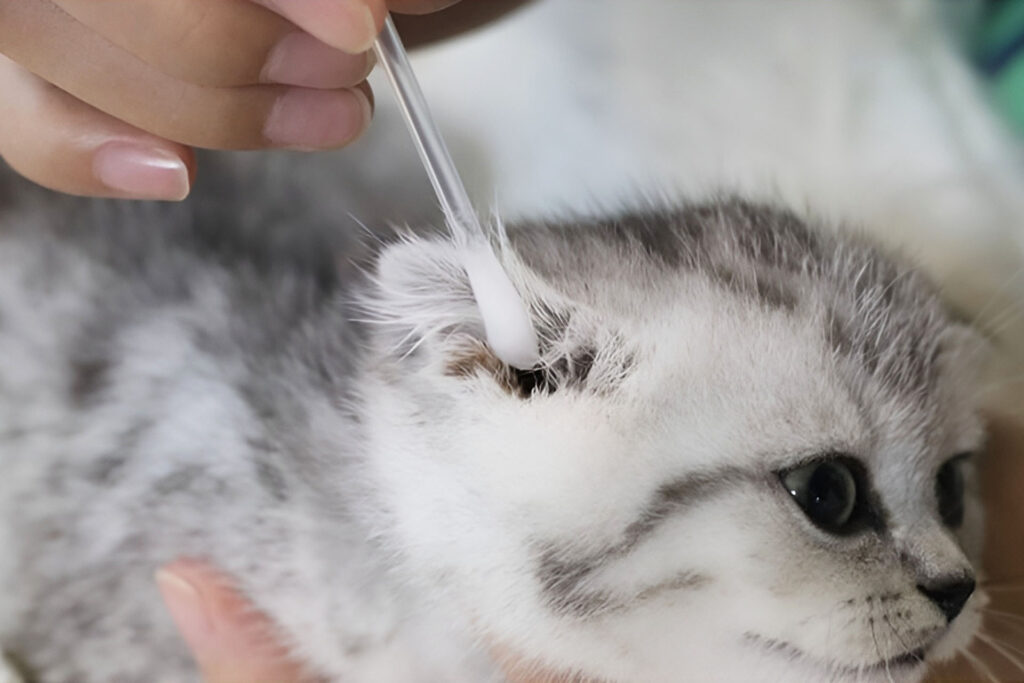
При чистке ушей кошки будьте очень осторожны. Не используйте острые предметы, такие как ватные палочки, чтобы глубоко проникнуть в ушной канал, так как это может повредить барабанную перепонку кошки. Правильный способ — использовать специальное средство для чистки ушей кошек. Аккуратно закапайте его в ушной канал, затем осторожно помассируйте основание уха, чтобы средство растворило грязь. Наконец, используйте чистую ватную палочку или салфетку, чтобы аккуратно протереть грязь снаружи уха.
Поначалу Угольному Шарику не нравилось чистить уши. Каждый раз, когда я приближалась к его ушам, он тут же убегал. Позже я обнаружила, что если я нежно поглаживаю его по голове, чтобы успокоить его во время чистки, он становится гораздо спокойнее. Теперь каждый раз, когда я чищу ему уши, Угольник спокойно лежит у меня на коленях и позволяет мне делать то, что мне нужно. После чистки он трется головой о мою руку, как бы говоря: «Спасибо, мама. Моим ушам так хорошо!»
6. Заключение: Путь заботы долог, цените каждый шаг
Ежедневный уход за кошкой подобен духовной практике, проверяющей терпение, внимательность и любовь владельца. В этом процессе мы столкнемся со всевозможными трудностями и испытаниями. Кошка может поцарапать или укусить нас, и мы можем рассердиться и расстроиться из-за ее непослушания. Однако, когда мы видим кошку с гладкой шерстью, здоровым телом и живым, очаровательным видом под нашей опекой, мы понимаем, что все наши усилия стоили того.
На самом деле, у кошек простой ум. Хотя они и высокомерны и ленивы, они также жаждут любви и внимания своих хозяев. Ежедневный уход важен не только для здоровья кошки, но и для укрепления связи между владельцем и питомцем. В процессе ухода мы чувствуем доверие и зависимость кошки, а кошка чувствует нашу любовь и заботу.
В заключение, я надеюсь, что каждый владелец кошки сможет найти свои собственные «хитрости» в ежедневном уходе за питомцем, жить в мире со своим «пушистым хозяином» и проводить вместе теплые и счастливые моменты. Помните, путь заботы долог, поэтому цените каждый шаг. Пока мы заботимся о наших кошках от всего сердца, они обязательно будут сопровождать нас всю жизнь в ответ.
ЧАСТО ЗАДАВАЕМЫЕ ВОПРОСЫ
Какие существуют наиболее эффективные способы борьбы с линькой у кошек и поддержания здоровья шерсти?
Эффективный уход за шерстью основан на сочетании регулярного внешнего ухода и внутреннего питания:
Ежедневное расчесывание: Регулярное расчесывание удаляет выпавшую шерсть до того, как она окажется на мебели, и помогает предотвратить болезненные колтуны, особенно у длинношерстных пород.
Незаменимые жирные кислоты: Рацион или лакомства, обогащенные жирными кислотами Омега-3 и Омега-6, поддерживают здоровье кожи и улучшают естественный блеск и прочность шерсти.
Снижение стресса: Поскольку «психогенная алопеция» (чрезмерный уход из-за стресса) может привести к выпадению шерсти, поддержание спокойной и предсказуемой обстановки является ключом к здоровой шерсти.
Как я могу улучшить гигиену и самочувствие своей кошки, изменив её повседневную обстановку?
Небольшие изменения в их жилом пространстве могут оказать существенное влияние на здоровье в долгосрочной перспективе:
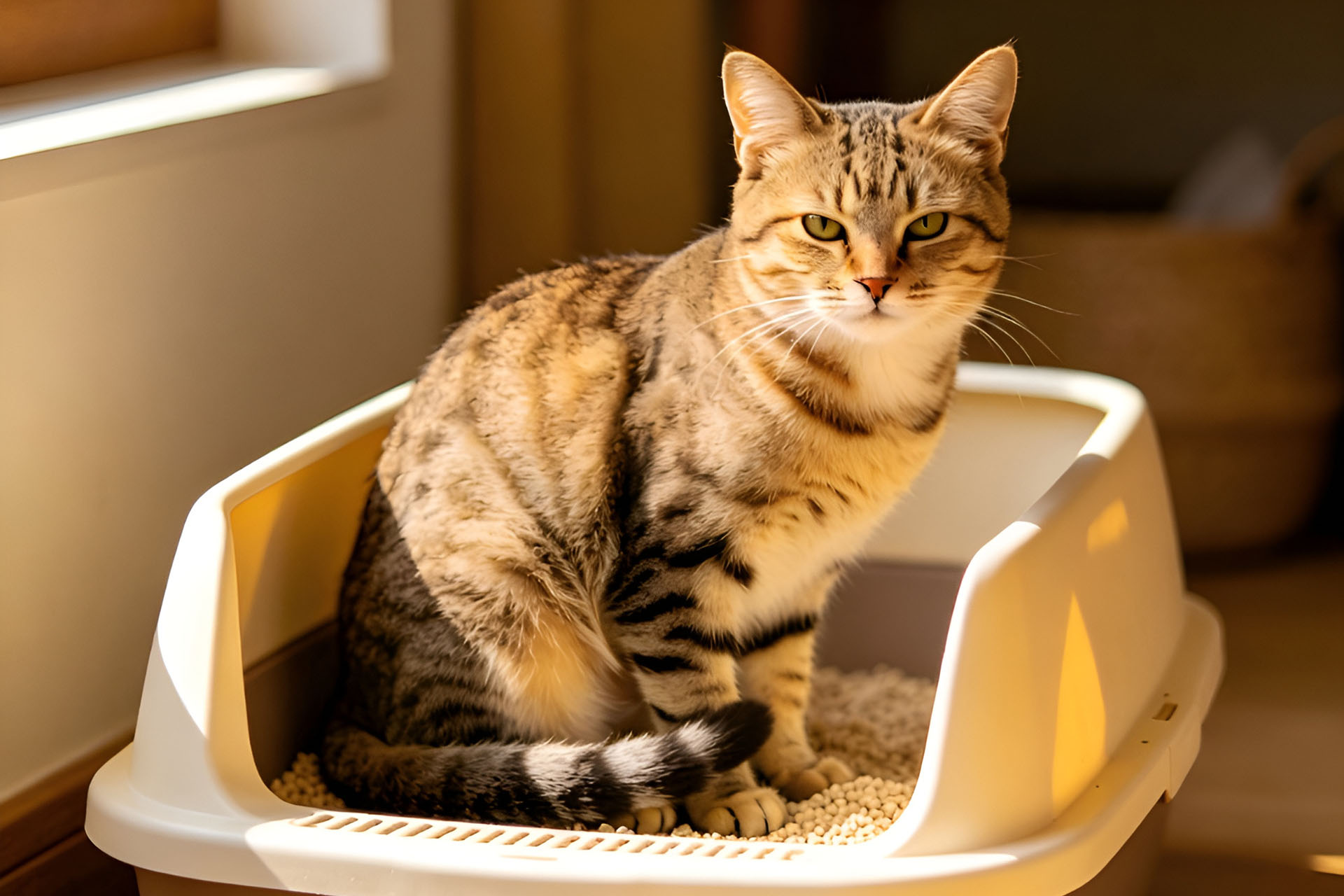
Наполнитель без пыли: Использование наполнителя с низким содержанием пыли, такого как тофу или сосновая крошка, предотвращает раздражение дыхательных путей и поддерживает чистоту лап кошки и поверхностей в вашем доме.
Вертикальное пространство: Наличие «кошачьих деревьев» или полок позволяет кошкам проявлять свои естественные инстинкты лазания, что снижает тревожность и способствует физической активности.
Места для питья: Размещение источников воды подальше от миски с едой и использование фонтанчиков с проточной водой может стимулировать более частое питье, что жизненно важно для здоровья почек и мочевыводящих путей.