




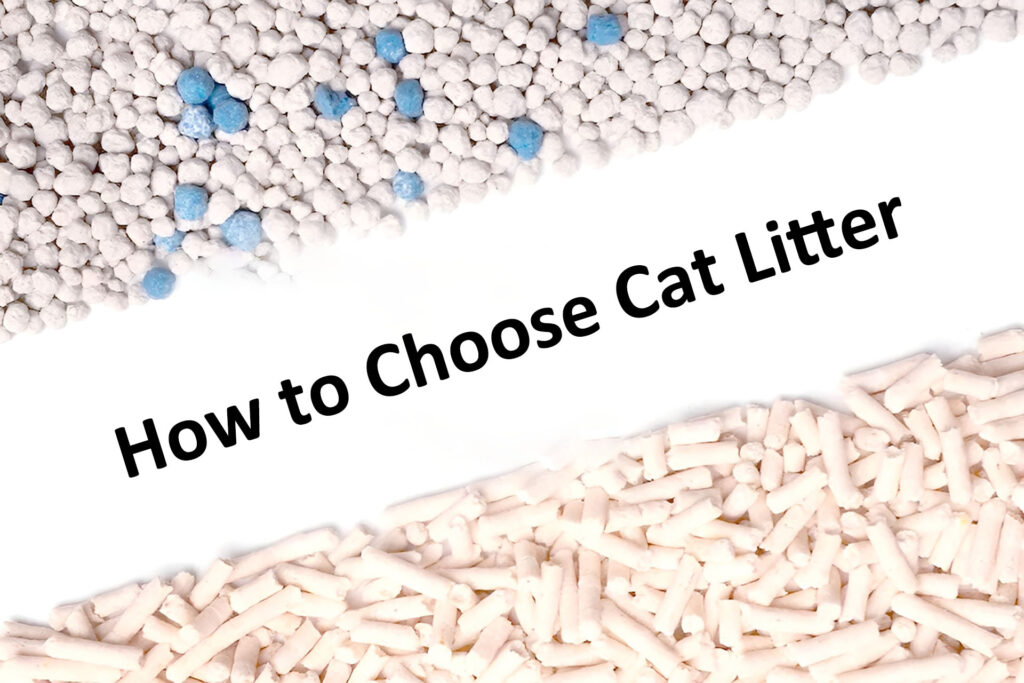
On the journey of pet-keeping, the most headache-inducing thing for novice cat owners is how to choose cat litter. There is a wide variety of cat litters on the market, with different prices and exaggerated promotional slogans. How can you choose the right one to make your cat feel at ease and save yourself some trouble?
As someone who has been in the pet supplies industry for many years, I’ve seen too many cat owners fall into one pitfall after another by blindly following the trend when buying cat litter. Some cat litters produce too much dust, causing cats to sneeze and rub their noses frequently. Some have poor water – absorption, leading to urine leakage and sticking to the bottom of the litter box, which is extremely difficult to clean. Others have a strong odor that can fill the areas where cats gather, even when placed in a corner, bothering both the cats and the owners.
In fact, choosing cat litter is not a complicated matter. Today, from a scientific perspective and as an industry insider, I’ll combine the R & D experience and actual test data of the cat litter company to talk to you about the core points of choosing cat litter, help you avoid common mistakes, and enable every cat owner to choose the right cat litter, making your cat’s toilet use more comfortable and keeping the areas where cats gather clean and fresh.
Understanding the Cat’s Instinct and the Role of the Manufacturer
First, we need to understand that cats’ picky nature about cat litter is not being “fussy” but an in – born instinct. Cats are extremely clean animals. In the wild, they would find clean sand to bury their feces, which helps them hide their tracks and avoid attracting predators with the odor. This instinct continues when they are kept at home. Cat litter becomes an important medium for them to simulate the wild sand environment.
The areas where cats gather, such as beside the sofa, on the bay window, and around the cat tree, are often the common places to put the litter box. Once the cat litter is poorly chosen, the odor and dust will spread to these areas, making the originally warm space awkward. Many cat owners ignore this and blindly pursue “internet – famous” cat litters, which may lead to cats having discomfort when using the toilet, refusing to use the litter box, and even affecting their health.
As an industry insider, I often interact with cat litter companies and know well that the birth of a high – quality cat litter is not just a simple mixture of raw materials. It is the result of repeated R & D, testing, and optimization by the cat litter company. A regular cat litter company will fully consider the physiological habits of cats and the needs of cat owners when producing cat litter. From raw material screening to the production process, every step has strict standards.
The raw materials should be safe without harmful additives, the dust should be controlled within a reasonable range, the water – absorption and deodorization properties should meet the standards, and convenience should also be taken into account to make it easier for cat owners to clean. In contrast, most inferior cat litters are produced by small workshops without professional R & D and testing. The raw materials are of poor quality, and the production process is simple. They not only fail to meet the needs of cats but also bring troubles to both cats and owners.
The Science of Feline Senses
Let me first introduce a core knowledge point. A cat’s sense of smell is about 40 times more sensitive than a human’s. They have over 200 million olfactory cells in their noses, while humans only have 5 million. This means that an odor that we think is mild can be an unbearable irritation for cats. The fine dust that we can’t see with the naked eye can also be inhaled by cats into their respiratory tracts, which may cause respiratory inflammation, allergies, and other problems in the long run.
As an item that cats come into contact with every day, the dust amount, odor, and texture of cat litter directly affect the cat’s toilet experience and health, and also determine the environmental quality of the areas where cats gather. Many cat owners have reported that there is always a faint odor in the areas where cats gather at home. The root cause is that the cat litter is not chosen properly and fails to achieve long – term deodorization, resulting in the spread of the odor.
How to Choose Cat Litter? Four Core Points for Choosing the Right Cat Litter
Next, based on the needs of cats and combined with the R & D experience and actual test data of the cat litter company, I’ll share with you four core points for choosing cat litter, help you avoid common mistakes, and enable you to choose the right one accurately without falling into pitfalls.
1. Controlling the “Invisible Minefield”: Dust Amount
The first and most crucial point is the dust amount. Dust is an “invisible minefield” when choosing cat litter. Many novice cat owners tend to ignore this, thinking that dust doesn’t matter. However, that’s not the case. The dust amount of high – quality cat litter must be controlled at a very low level. When producing, the cat litter company will go through multiple processes such as screening, dust removal, and polishing to minimize the dust content, prevent cats from inhaling dust when digging in the litter or using the toilet, and also prevent dust from floating in the areas where cats gather, reducing the owner’s cleaning burden.
Here’s a practical testing tip for you. When buying cat litter, you can grab a handful of it in your palm and gently rub it to see if there is obvious dust falling. When pouring the litter, observe if there is a large amount of dust rising. If there is obvious dust in your palm and a lot of dust rises when pouring, it means that the dust of this cat litter does not meet the standard, and it is not recommended to buy. Many inferior cat litters have an excessive dust amount because of the simple production process and lack of professional dust – removal treatment.
Cats may sneeze, rub their noses, and have a runny nose after long – term inhalation. In severe cases, it may even cause bronchitis, rhinitis, and other diseases. Especially for kittens and senior cats, whose respiratory tracts are more fragile, they should avoid cat litters with excessive dust. Through years of experience in the industry, I’ve found that many cat owners have caused their cats to have respiratory discomfort by ignoring the dust problem, and it is very difficult to treat them later. So, when choosing cat litter, the first step is to prioritize the dust amount.
2. Efficiency in Cleanliness: Water-Absorption
The second core point is water – absorption. Whether the cat litter can quickly absorb urine after a cat urinates directly determines the cleanliness of the toilet environment and the generation of odor. High – quality cat litter has extremely strong water – absorption. After a cat urinates, it can quickly absorb the urine within 3 – 5 seconds, preventing the urine from seeping to the bottom of the litter box and forming sticky clumps, and also reducing the generation of odor.
When the cat litter company is researching and developing cat litter, it will focus on testing the water – absorption index. By adjusting the raw material ratio and particle size, the water – absorption speed and capacity of the cat litter can reach the optimal state, which can quickly lock in the water and avoid waste caused by excessive expansion.
Many novice cat owners only look at the price when choosing cat litter and ignore the water – absorption. As a result, the cat litter absorbs water slowly, the urine leaks and sticks to the bottom, and they have to spend a lot of effort scraping the litter box every time they clean. It is not only troublesome but also easy to scratch the litter box. The remaining urine will also breed bacteria and produce a pungent odor that spreads to the areas where cats gather.
Actual tests have found that inferior cat litters have extremely poor water – absorption. After a cat urinates, the urine will stay on the surface of the cat litter for a long time, which not only makes the cat’s paws easily stained with urine but also causes the odor to spread quickly. It may even make the cat refuse to use the litter box and urinate everywhere. In contrast, high – quality cat litter can quickly absorb urine even if the cat urinates a large amount, firmly locking in the urine and keeping the surface of the cat litter dry.
This makes the cat more comfortable when using the toilet and also reduces the owner’s cleaning workload. Here, I’d like to remind you that when choosing cat litter, you can test the water – absorption on – site. Put a small amount of cat litter in a container, pour an appropriate amount of water (simulating cat urine), and observe the water – absorption speed and capacity. If it can absorb quickly without leakage, it is a qualified cat litter.
3. Odor Neutralization vs. Artificial Fragrance: Deodorization
The third point is deodorization. The excrement of cats has a relatively strong odor, especially urine. If the deodorization property of the cat litter is poor, the odor will quickly spread to the areas where cats gather, making the house smell bad and even affecting the owner’s life.
Many cat owners mistakenly think that deodorization depends on artificial fragrances. In fact, that’s not the case. The deodorization of high – quality cat litter relies on the adsorption ability of the raw materials themselves and the process optimization of the cat litter company, rather than adding a large amount of artificial fragrances.
A regular cat litter company will choose raw materials with natural adsorption properties, such as pine and corn cobs. These raw materials can adsorb odors by themselves. Combined with high – temperature molding and deodorization processes, they can effectively neutralize the odor of cat excrement and achieve long – term deodorization. Even if the litter box is placed in the areas where cats gather, there will be no obvious odor.
Here, we need to avoid a common mistake. Many cat owners think that the stronger the fragrance of the cat litter, the better the deodorization effect. In fact, it’s the opposite. Too strong artificial fragrances will stimulate the cat’s sense of smell, making the cat uncomfortable and even refusing to use the litter box. Moreover, artificial fragrances can only cover the odor but cannot eliminate it at the root. Over time, the mixture of the odor and the fragrance will become even more unpleasant and pollute the areas where cats gather.
The deodorization of high – quality cat litter is mild and non – pungent. It can naturally neutralize the odor instead of covering it. Even after using it for a period of time, there will be no odor rebound. We’ve heard from many cat owners that after switching to high – quality deodorizing cat litter, there is no longer an unpleasant smell in the areas where cats gather at home, and the happiness of cat – keeping has also increased a lot.
4. Comfort and Practicality: Texture and Particle Size
The fourth point is the texture and particle size. Cats’ paws are sensitive, and the texture and particle size of the cat litter directly affect the cat’s experience of digging in the litter. If the particles are too large, it is difficult for the cat to dig and bury the feces smoothly. If the particles are too small, they are easy to get stuck in the cat’s paw crevices, be carried by the cat to the areas where cats gather, dirty the sofa, bay window, etc., and may even be accidentally eaten by the cat, causing gastrointestinal discomfort.
When the cat litter company is researching and developing cat litter, it will combine the size of the cat’s paws and control the particle diameter between 2 – 4 millimeters. This size allows the cat to dig easily, avoids the particles being too small to be eaten accidentally, and also reduces the scattering of sand particles, keeping the areas where cats gather clean.
In terms of texture, high – quality cat litter should be hard and not easy to break, which can avoid the generation of secondary dust during use and also reduce the waste of cat litter. Many inferior cat litters have a loose texture and break easily when the cat digs, which not only produces a large amount of dust but also consumes quickly, increasing the cat owner’s economic burden.
In addition, the cat litter should have a gentle touch to avoid sharp particles that may scratch the cat’s paws. Cats’ paws are delicate, and sharp cat litter particles can scratch the paw pads, causing the cat pain and leading to refusal to use the toilet. Here’s a small suggestion for you. When choosing cat litter, you can rub it in your palm to feel if the texture is delicate and if there are any sharp particles. If you feel a stinging sensation in your palm, it means that the texture of this cat litter is unqualified, and it is not recommended to buy.
Common Pitfalls to Avoid in the Market
After talking about the core points of choosing cat litter, I’ll share with you some common pitfalls to help you avoid unnecessary troubles.
The Hype of “Internet-Famous” Brands
The first pitfall is blindly pursuing “internet – famous” cat litters. Many internet – famous cat litters have fancy promotional slogans but disappointing actual effects. For example, some claim to be “dust – free and odor – free”, but in actual tests, they are found to have excessive dust and poor deodorization. Some have extremely poor water – absorption and are easy to stick to the bottom, which is very difficult to clean.
As an industry insider, I’ve seen too many cat owners follow the trend and buy internet – famous cat litters, only to regret it later. In fact, the best cat litter is the one that suits your cat. There’s no need to blindly pursue internet – famous ones. As long as it meets the standards of low dust, strong water – absorption, good deodorization, and excellent texture, it is a high – quality cat litter.
The Price vs. Quality Trap
The second pitfall is only looking at the price and ignoring the quality. Many cat owners think that all cat litters are the same and it’s okay to buy the cheap ones. However, most cheap cat litters are made of inferior raw materials with a simple production process. They have excessive dust, poor water – absorption, and weak deodorization. They not only make the cat uncomfortable when using the toilet but also pollute the areas where cats gather and may even endanger the cat’s health.
High – quality cat litter, on the other hand, is made of high – quality raw materials and has a complex production process, so the price is a bit higher. But it uses less and has a longer service life. In the long run, it is actually more cost – effective and can also avoid spending more money on the cat’s health problems later. The R & D data of the cat litter company shows that the service life of high – quality cat litter is about 30% longer than that of inferior cat litter, and it is also more convenient to clean, which can greatly reduce the cat owner’s workload.
The Misconception of Mixing Litters
The third pitfall is mixing different types of cat litters. Many cat owners mix bentonite cat litter and pine cat litter in order to combine the advantages of different cat litters, thinking that it can improve the water – absorption and enhance the deodorization. In fact, this is a wrong practice.
Different types of cat litters have different textures and water – absorption principles. Mixing them will affect their respective effects. For example, bentonite cat litter will clumping when it comes into contact with water, while pine cat litter will break down. After mixing, the clumping effect becomes worse, the water – absorption decreases, and more dust is produced. It is not only more troublesome to clean but also makes the odor spread more easily, polluting the areas where cats gather.
Practical Tips for Daily Use and Maintenance
In addition to avoiding pitfalls, using cat litter correctly is also very important. Here are some practical tips to make the use of cat litter more effective and extend its service life.
- Maintain Proper Thickness: First, the laying thickness of the cat litter in the litter box should be moderate. It is recommended to lay it 5 – 8 centimeters thick. If it is too thin, it is easy to leak and stick to the bottom. If it is too thick, it will cause waste of cat litter and make the cat scatter more sand particles to the areas where cats gather when digging.
- Regular Cleaning Schedule: Second, the cleaning frequency should be regular. Clean the solid feces at least 1 – 2 times a day, replace the waste sand at the bottom of the litter box once a week, and replace the whole box of cat litter every 1 – 2 weeks to avoid the growth of bacteria and the accumulation of odor.
- Placement Matters: Third, the litter box should be placed in a dry and ventilated place, away from the cat’s food and water in the areas where cats gather, to avoid cross – infection of bacteria and also reduce the spread of odor.
- Gradual Transition: Fourth, if the cat is not used to the new cat litter, you can use a gradual transition method. First, mix a small amount of the new cat litter into the old one, and increase the proportion of the new cat litter every day. In 3 – 7 days, the cat can fully adapt, avoiding the cat’s refusal to use the toilet.
Conclusion: Making Cat-Keeping a Relaxed Experience
Many cat owners have reported that after choosing the right cat litter, not only is the cat more comfortable when using the toilet, but the areas where cats gather also become clean and fresh, and their cleaning burden is also greatly reduced. In fact, choosing cat litter is not that complicated. As long as you grasp the four core points of dust amount, water – absorption, deodorization, and texture and avoid common mistakes, you can choose a high – quality cat litter suitable for your cat.
The years of R & D experience of the cat litter company tell us that a good cat litter is not based on fancy publicity but on real – quality. It can not only meet the physiological needs of cats but also take into account the using experience of cat owners.
Over the years in the industry, I’ve always believed that the core of choosing cat litter is to make the cat comfortable and the owner worry – free. There are many types of cat litters on the market, but as long as you remember the scientific points shared today and avoid pitfalls, you can accurately choose the right cat litter and no longer be anxious about choosing cat litter.
A cat’s happiness is simple. A clean and comfortable toilet environment can make them more lively and lovely. And the cat owner’s happiness is also hidden in these little things – no odor in the areas where cats gather and no need to worry when cleaning the cat litter, so that you can enjoy the time with your cat.
Finally, I’d like to remind you that when choosing cat litter, you must choose products produced by a regular cat litter company. A regular cat litter company will have strict quality inspections to ensure the safety and practicality of the cat litter. Avoid buying inferior cat litters produced by small workshops, which may harm the cat’s health. May every cat owner be able to understand the points of choosing cat litter through today’s science popularization, avoid pitfalls, and choose a cat litter that makes the cat at ease and the owner worry – free, keeping the areas where cats gather clean and fresh all the time and making cat – keeping a more relaxed and healing thing.
FAQ
How can I test if a cat litter has too much dust before I buy a large amount?
Dust is an “invisible minefield” that can cause respiratory issues for both cats and owners. To check for dust quality, you can perform a simple hand test: grab a handful of the litter and gently rub it in your palm. If you see a significant amount of fine powder left on your skin or if a cloud of dust rises when you pour the litter into the box, it indicates the dust-removal process during manufacturing was insufficient. High-quality litter undergoes multiple screening and polishing stages to keep dust to an absolute minimum.
Why is it generally recommended not to mix different types of cat litter, such as bentonite and pine?
Many owners mix litters thinking they will get the “best of both worlds,” but this often backfires because different litters have conflicting water-absorption principles. For example, bentonite cat litter is designed to clump together when wet, while pine cat litter is designed to break down into sawdust. Mixing them can weaken the clumping effect, decrease overall water absorption, and actually increase the amount of dust and odor spread in your home. It is best to stick to one high-quality type that meets your cat’s specific needs.