



Cat Play and Health Guide

Cat playing

1. The Real Deal Behind Cat Play: Survival Instincts Hiding in Games

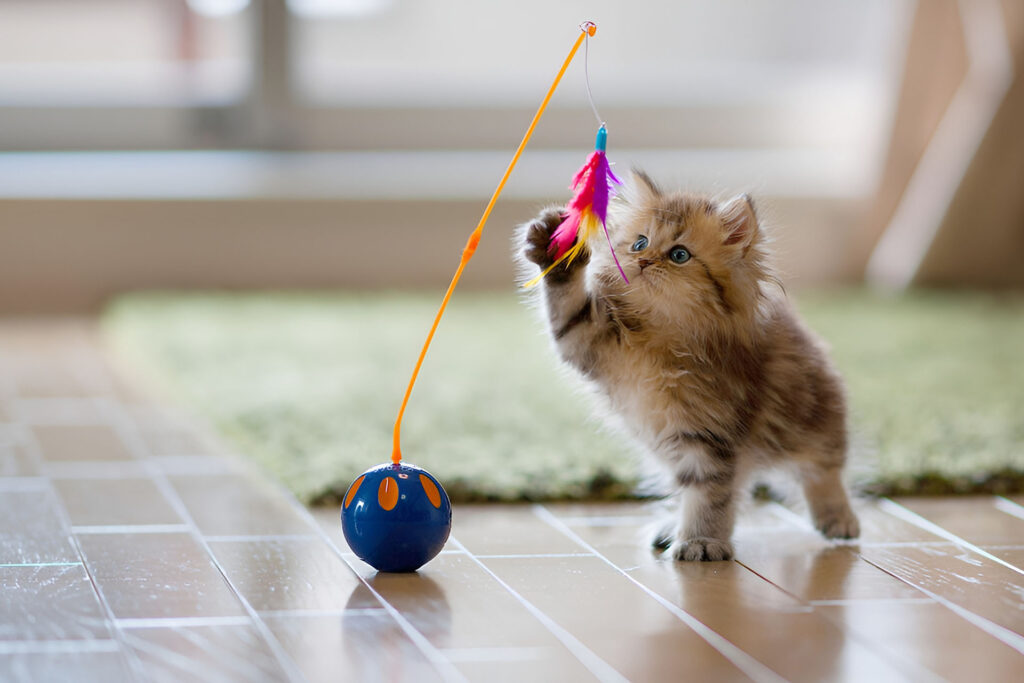
When your cat chases a feather wand like crazy, it’s not just being “playful”—this is their hardwired hunting instinct kicking in! A cat’s play behavior is essentially a mock drill for wild hunting. The process of chasing, pouncing on, and nipping toys hones their predatory skills and burns off excess energy.

For kittens, tussling and biting with littermates is a lesson in social rules; adult cats playing with toys eases stress and builds trust between humans and pets; gentle interaction with senior cats is key to keeping their joints flexible. Most importantly, 15 minutes of meaningful play every day can lower the risk of obesity and hairball issues in cats, and even stop them from scratching furniture and other destructive antics.

2. Age-Appropriate Play Guide: The “Happiness Code” for Cats at Every Stage

Kittens (0-12 months): Growth Games for Little Energy Powerhouses

Kittens need to burn off as much energy as a human running 5 kilometers every day. Frequent, short play sessions are recommended: move a feather wand fast and slow to mimic a flying bird, and pair it with a corrugated paper tunnel to trigger their ambush instinct. 3 to 4 sessions a day, 10 minutes each, not only meets the developmental needs of their teeth and claws, but also teaches them to control their bite force through “pounce-bite-release” games. Make sure to choose non-toxic, bite-resistant toys and avoid small parts that could be swallowed by mistake.

Adult Cats (1-7 years): Dual Challenges for Intelligence and Physical Strength

Adult cats play with a clear purpose and prefer the natural cycle of “hunt-eat-rest”. Use treat-dispensing balls or puzzle feeders to let them get snacks by rolling the toys, or move a long string toy like a snake to let them go through the full “stalk-sprint-pounce” process, then reward them with freeze-dried treats—this will drastically cut down on their midnight zoomies. Active breeds like Siamese cats can have more frequent playtime, while Persian cats are better suited for static observation toys.

Senior Cats (7+ years): Slow, Gentle Quality Time Together

Senior cats have joint degeneration, so skip jumping games. Gently roll a soft fur ball for them to chase, or get a catnip pillow for them to lick and nibble to relieve stress—1 to 2 sessions a day, 5 minutes each, is enough. Brushing their fur is also a great way to interact: a wide-tooth comb gliding gently over their back not only boosts blood circulation, but also deepens your emotional bond.

3. Safety Pitfalls to Avoid: 5 Types of Toys You Should Never Buy!

Don’t make these mistakes, fellow cat parents! Toys with tiny bells or loose feather pieces can be accidentally ingested; elastic strings and yarn balls may cause intestinal tangling; plastic toys with sharp edges can scratch their mouths; low-quality stuffed plush toys contain formaldehyde; and the batteries in electric toys can leak deadly toxins. Here are safe alternatives: cotton rope knot wands, food-grade silicone treat-dispensing balls, and unfilled canvas tunnels. Homemade toys are even more reassuring—dry out washed eggshells to make small balls, or tie a cotton sock into a knot; they’re super cost-effective.

4. Pro Interaction Tips: Get Your Cat to Seek Your Cuddles Voluntarily

1.After playing laser pointer games, always let your cat “catch” a physical toy—this avoids frustration.
2.Move the feather wand fast and slow when playing, and occasionally let them catch it on purpose to keep the game interesting.
3.Boost their intelligence with the “guess the freeze-dried treat” game: move a snack between your hands and let them guess which one it’s in. Reward them for a correct guess, and give a light flick on the forehead for a wrong one.
4.Don’t chase your cat into their safe space during chase games; run the other way from time to time to make them chase you—it doubles the fun of interaction!

Wrapping Up

Every leap and chase your cat makes is a release of their natural instincts, and also a longing for your company. Choosing safe toys, matching play to their age, and sticking to scientific interaction not only keeps your feline friend in good shape, but also lets them feel your overwhelming love through play. After all, for cats, the best toy is never an expensive trendy one—it’s the time their human puts down the phone and devotes full attention to them.

よくあるご質問

Why is “Interactive Play” considered essential for a cat’s mental and physical health?

Interactive play is more than just exercise; it serves as a vital outlet for a cat’s natural predatory instincts.
Stress Reduction: Regular play sessions help reduce anxiety and prevent behavioral issues such as over-grooming or territorial aggression. It provides a constructive way for cats to release pent-up energy.
Weight Management: Engaging in active movement helps prevent feline obesity, which is a leading cause of diabetes and joint problems in indoor cats.
Bonding: Playing with your cat strengthens the social bond between the pet and the owner, fostering a sense of security and trust in the home environment.

What are the best strategies for encouraging play in cats that seem “lazy” or uninterested?

If a cat appears reluctant to play, it often means the play style needs to be adjusted to better mimic real-world hunting:
The “Prey” Movement: Move toys like a real animal would—darting away from the cat, hiding behind furniture, or making small, erratic movements. Most cats lose interest if a toy is simply dangled directly in their face.
Variety of Textures and Sounds: Some cats are “bird hunters” and prefer feathers and high-pitched chirping sounds, while others are “rodent hunters” and prefer furry toys that skitter across the floor. Rotating toys weekly can prevent boredom.
Short, Frequent Sessions: Cats are sprinters, not marathon runners. Two or three 5-to-10-minute sessions are often much more effective and engaging for a cat than one long 30-minute session.
The “Capture” Reward: Always end a play session by letting the cat “catch” the toy, and consider following up with a small treat to complete the natural “Hunt-Catch-Kill-Eat” cycle.

その他の投稿

連絡先

jaJapanese

お問い合わせ

今すぐお問い合わせください。.

24時間以内に返信いたします!