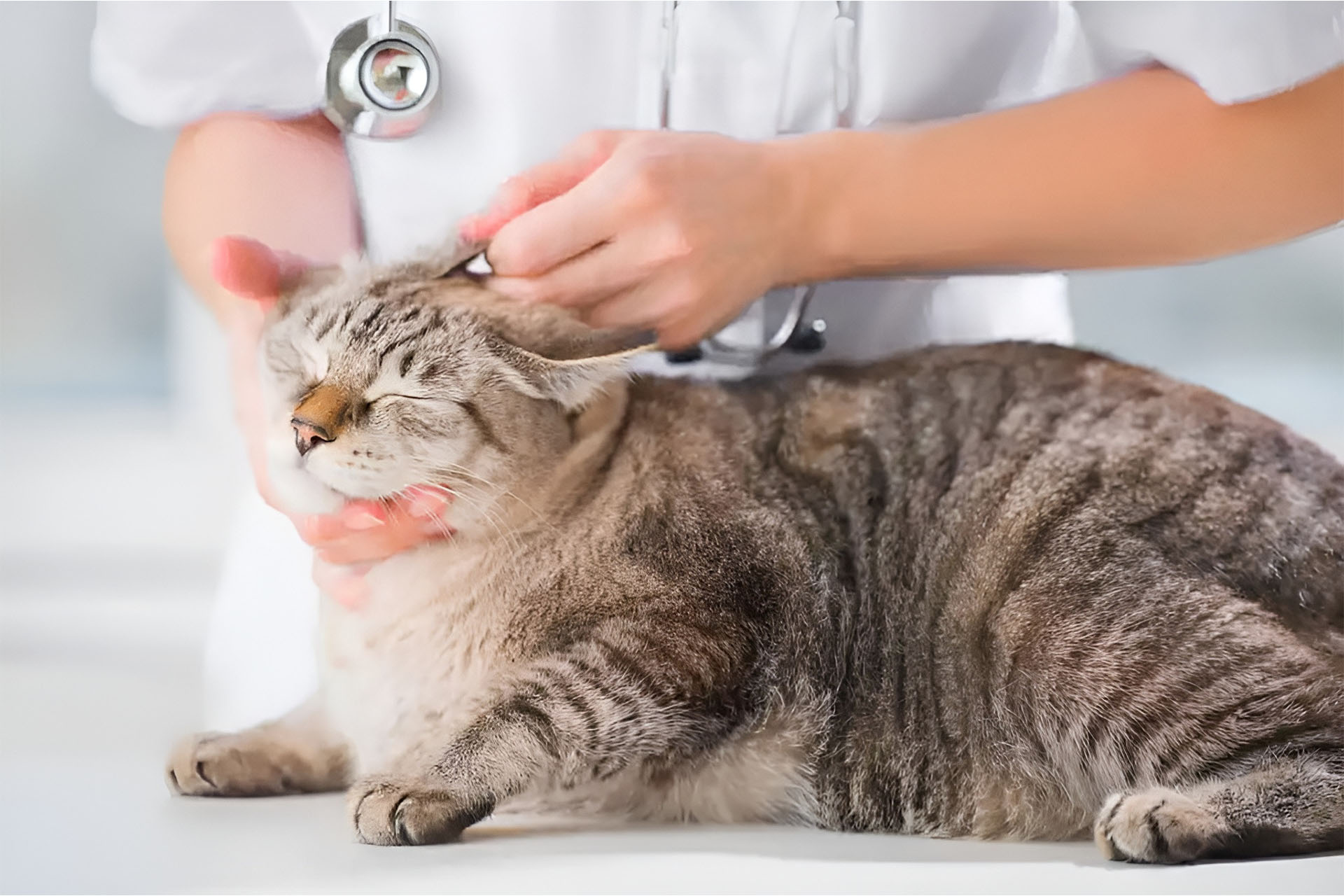





Мочевыделительная система кошки чрезвычайно уязвима, и в ней часто встречаются такие заболевания, как закупорка мочевых путей, цистит и мочевые камни. Особенно высокому риску подвержены кошки мужского пола. Если эти заболевания не лечить своевременно, жизнь кошки может оказаться под угрозой уже через 48 часов! Многие владельцы кошек не имеют достаточных знаний о симптомах инфекции мочевыводящих путей у кошек и других сопутствующих заболеваниях, поэтому часто упускают лучшее время для лечения. Сегодня мы расскажем о ключевых моментах заболеваний мочевыделительной системы кошек, от причин до решений, чтобы помочь вам сохранить “мочевое здоровье” вашего пушистого друга.”
1. Основные типы симптомов и причин инфекции мочевыводящих путей у кошек
1.1 Распространенные типы заболеваний
Синдром нижних мочевых путей: Самое распространенное заболевание мочевыделительной системы, характеризующееся частым мочеиспусканием, неотложными позывами и болью при мочеиспускании. Чаще встречается у взрослых кошек, в основном спровоцировано стрессом и неправильным питанием.
Мочевые камни/кристаллы: Минералы в моче выпадают в осадок, образуя камни или кристаллы, которые могут закупорить уретру. У кошек мужского пола риск закупорки гораздо выше из-за узкой уретры по сравнению с кошками женского пола.
Цистит: Воспаление слизистой оболочки мочевого пузыря, подразделяющееся на бактериальное и небактериальное. Первый вызывается бактериальными инфекциями, а второй часто связан со стрессом и ослаблением иммунной системы.
Блокировка мочеиспускания: Полная закупорка уретры, не позволяющая кошке мочиться. Это экстренная ситуация. Если не оказать своевременную помощь, это может привести к разрыву мочевого пузыря и почечной недостаточности, в результате чего наступает смерть.
1.2 Общие триггеры - не игнорируйте их!
Диета: Длительное кормление сухим кормом с высоким содержанием соли и фосфора, но низким содержанием воды может привести к тому, что моча станет концентрированной, что облегчит образование камней из минералов. Недостаточное потребление воды является общей причиной всех заболеваний мочевыделительной системы.
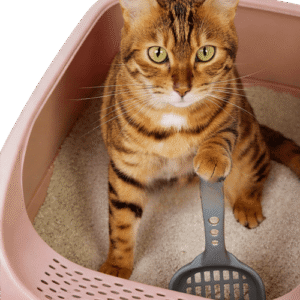
Кошачий туалет и проблемы с туалетом: Наполнители для кошачьего туалета с высоким содержанием пыли, плохой комкуемостью и сильным запахом, а также нечастая уборка и недостаточное количество туалетов могут привести к тому, что кошки не захотят пользоваться туалетом. Преднамеренное задержание мочи может привести к заболеваниям. Кроме того, наполнитель с чрезмерно крупными или мелкими частицами может поцарапать слизистую уретры.
Стресс: Стрессовые факторы, такие как переезд, смена корма, появление нового питомца или громкие звуки, могут нарушить работу эндокринной системы кошки, изменить состав мочи и спровоцировать цистит или закупорку мочеиспускательного канала.
Физиологические характеристики: У мужчин узкая и длинная уретра, поэтому они более склонны к закупорке камнями и кристаллами. Ожиревшие кошки также могут быть подвержены повышенному риску, так как жир на животе может сдавливать уретру.
2. Обнаруживайте сигналы болезни на ранней стадии - не откладывайте!
Золотое окно лечения заболеваний мочевыделительной системы у кошек короткое. Владельцы кошек должны помнить о следующих типичных симптомах и проявлять бдительность сразу же после их появления:
- Частое посещение туалета, но мочится только по несколько капель или не мочится вообще. Кошка может напрягаться и кричать при попытке помочиться.
- Кровь в моче (розового или красного цвета) или мутная, зловонная моча.
- Частое облизывание уретрального отверстия, которое может быть красным, опухшим и иметь выделения.
- Вялость, потеря аппетита, твердый и вздутый живот (из-за переполненного мочевого пузыря). В тяжелых случаях у кошки может начаться рвота и обезвоживание.
Специальное напоминание: Если у кота-самца появились симптомы “отсутствия мочи”, его необходимо отвезти к ветеринару в течение 24 часов. Чем дольше задержка, тем выше риск почечной недостаточности и разрыва мочевого пузыря!
3. Научные решения: Лечение и уход рука об руку
3.1 Незамедлительно обратитесь за медицинской помощью и проведите симптоматическое лечение
Медицинский осмотр:
Используйте анализы мочи, B-сканирование и рентген, чтобы проверить наличие камней, инфекций и т.д. После выявления причины назначьте целенаправленное лечение.
Неотложная помощь:
Кошкам с закупоркой мочевых путей требуется немедленная катетеризация, чтобы отвести мочу из мочевого пузыря и уменьшить повреждение почек. Кошкам с инфекционным циститом необходимы антибиотики, а кошкам с камнями могут потребоваться лекарства для растворения камней или хирургическое вмешательство.
Следуйте указаниям ветеринара:
Не давайте кошке человеческие лекарства (например, обезболивающие и противовоспалительные) самостоятельно. Строго следуйте указаниям ветеринара и регулярно проводите осмотры.
3.2 Ежедневный уход для предотвращения рецидивов
Корректировка диеты
Увеличить потребление воды: Кормите влажным кормом (консервы, домашнее мясное рагу) и используйте фонтанчик для воды, чтобы кошка выпивала не менее 50 мл воды на килограмм массы тела в день (например, кошка весом 4 кг должна выпивать более 200 мл в день).
Выберите корм для мочевыводящих путей: Для кошек, склонных к образованию камней и кристаллов, корм по рецепту может регулировать pH мочи и уменьшать выпадение минералов в осадок, предотвращая повторное образование камней.
Наполнители для кошачьих туалетов и туалеты
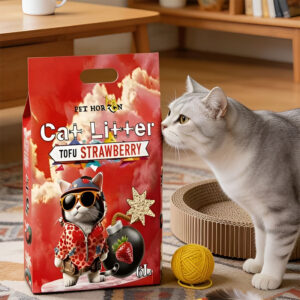
Выберите высококачественный наполнитель для кошачьего туалета: Выбирайте наполнитель для кошачьего туалета с низким содержанием пыли, хорошей комкуемостью и отсутствием аромата (например, смешанный наполнитель или наполнитель из тофу), чтобы не раздражать уретру кошки.
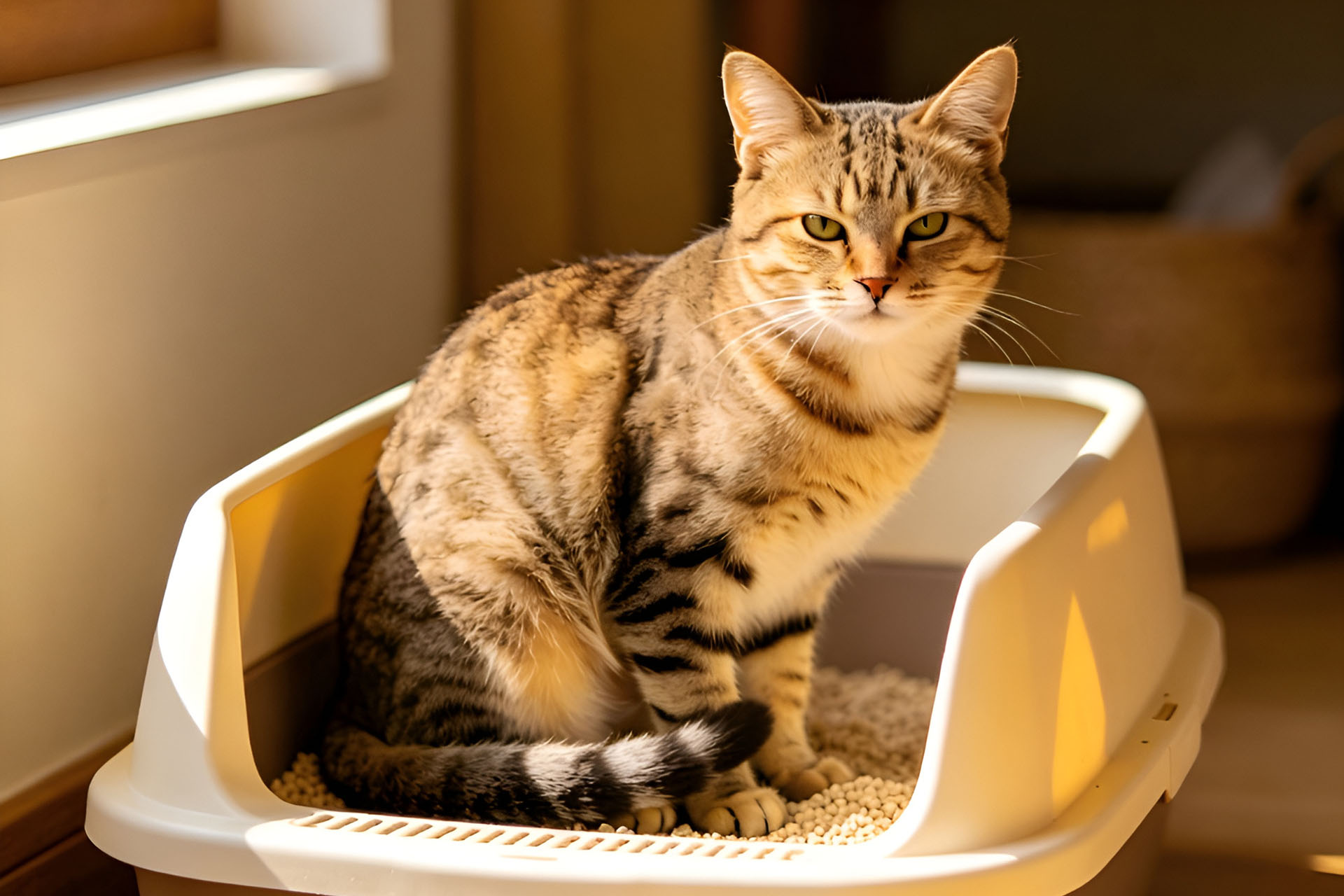
Поддерживайте чистоту: Ежедневно выгребайте наполнитель, еженедельно тщательно чистите и дезинфицируйте туалет. В многокошачьих семьях убедитесь, что количество туалетов на один больше, чем количество кошек. Размещайте туалеты в тихих, уединенных местах, чтобы кошка не испытывала стресса при их использовании.
Снизить стресс
Избегайте частых переездов и смены пищи. Обеспечьте кошке спокойную обстановку для отдыха. Используйте когтеточки и игрушки для снятия стресса, особенно для пожилых кошек и кошек, страдающих ожирением.
Регулярные проверки
Раз в год сдавайте кошку на анализ мочи и B-сканирование. Если у кошки в анамнезе есть заболевания мочевыделительной системы, проводите обследование каждые шесть месяцев, чтобы выявить возможные проблемы на ранней стадии.
4. Руководство для владельцев кошек по предотвращению подводных камней
(1) Не игнорируйте “частое и скудное мочеиспускание”: Некоторые владельцы кошек считают, что “чем больше кошка пьет, тем больше она мочится”. Однако частое и скудное мочеиспускание может быть признаком заболевания, и его следует немедленно проверить.
(2) Не стоит слепо “пропагандировать мочеиспускание”.”: Если у кошки закупорка мочевого канала, принуждение ее к питью воды или применение мочегонных средств может увеличить нагрузку на мочевой пузырь и привести к его разрыву. Сначала слейте мочу, а затем восполните запасы воды.
(3) Избегайте длительного кормления одним сухим кормом: Сухие корма содержат мало воды. Длительное кормление может привести к тому, что моча станет концентрированной и повысится риск образования камней. Рекомендуется, чтобы влажный корм составлял не менее 50% рациона.
Хотя заболевания мочевыделительной системы кошек являются серьезными, раннее выявление, своевременное лечение и научный ежедневный уход могут эффективно снизить частоту возникновения и рецидивов. Как владелец кошки, обращайте больше внимания на состояние мочеиспускания вашего питомца и следите за его рационом, наполнителем для кошачьего туалета и окружающей средой. Таким образом, вы сможете создать надежную защиту для здоровья мочевыделительной системы вашего пушистого друга и уберечь его от боли и болезней.
ЧАСТО ЗАДАВАЕМЫЕ ВОПРОСЫ
Каковы наиболее распространенные признаки, предупреждающие о том, что у кошки может быть инфекция мочевыводящих путей (ИМП)?
Проблемы с мочеиспусканием у кошек могут быстро обостряться, поэтому важно следить за этими поведенческими и физическими изменениями:
Частые походы в туалет: Вы можете заметить, что ваша кошка ходит в коробку много раз в течение часа, но при этом выделяет совсем немного мочи.
Напряжение или вокализация: Если кошка мяукает, плачет или напрягается, находясь в туалете, это признак дискомфорта или возможного засора.
Мочеиспускание за пределами коробки: Кошки часто ассоциируют туалет с болью, которую они испытывают при мочеиспускании, что заставляет их искать “мягкие” или “прохладные” поверхности, такие как белье, ковры или ванны.
Обесцвечивание: Розоватая или мутная моча может указывать на наличие крови или кристаллов, что требует немедленной ветеринарной помощи.
Чрезмерное облизывание: Постоянный уход за гениталиями часто является признаком раздражения или воспаления.
Как диета и гидратация могут помочь предотвратить проблемы с мочевыводящими путями в будущем?
Профилактика в основном заключается в поддержании здоровой мочевой среды с помощью правильного приема и питания:
Увеличьте потребление воды: Поскольку кошки от природы не испытывают сильной жажды, обеспечение нескольких источников воды, например “кошачьих фонтанчиков” с движущейся водой, может способствовать более частому питью.
Включите в рацион влажный корм: Переход на влажные консервы и “жидкие палочки” или добавление их в рацион значительно увеличивает общее потребление влаги, что способствует промыванию мочевого пузыря и разбавлению мочи.
Минеральный баланс: Ищите высококачественные рационы, специально разработанные для поддержания кислого pH мочи и содержащие контролируемое количество минералов, таких как магний, фосфор и кальций, которые могут способствовать образованию болезненных кристаллов или камней.
Управление стрессом: Стресс - один из основных провокаторов воспаления мочевых путей (цистита). Соблюдение постоянного распорядка дня и создание спокойной обстановки помогут предотвратить обострения.