




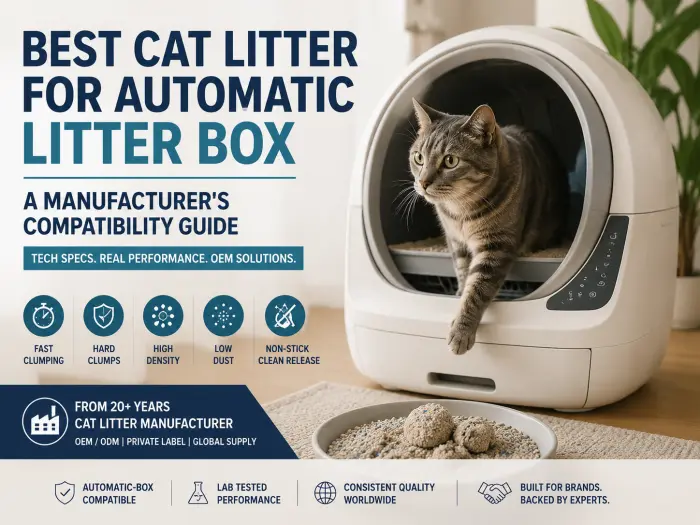
Выбор оптимального наполнителя для кошачьих туалетов с автоматической системой очистки уже давно перестал быть нишевой проблемой. Самоочищающиеся лотки сегодня установлены в миллионах домов, и наполнитель, который идеально подходит для обычного лотка, может забивать, комковаться или загрязнять датчики вращающегося барабана. В этом руководстве объясняются реальные правила совместимости с точки зрения производителей, чтобы импортеры, дистрибьюторы и покупатели под собственной торговой маркой могли выбирать или разрабатывать наполнитель, который выдерживает автоматическую очистку, а не мешает ей.
Краткий ответ: Какой наполнитель подходит для автоматического туалета для кошек?
Для обеспечения надежной работы в автоматическом туалете следует использовать быстрокомкующийся наполнитель высокой плотности с низким содержанием пыли. Наилучшие результаты показывают комкующийся бентонит, а также правильно сбалансированные наполнители на основе тофу или смешанные составы — при условии, что комки получаются твердыми и не прилипают к барабану или граблям. Избегайте некомкующихся, легких, кристаллических и сильнопыльных наполнителей — именно от таких видов производители устройств прямо предостерегают, поскольку они забивают механизмы и заслоняют датчики.
Почему автоматические туалеты для кошек меняют представления о характеристиках наполнителей
До недавнего времени понятие “наполнитель для кошачьего туалета” ассоциировалось исключительно с кошкой и совочком. Ситуация изменилась в 2026 году. На выставке SUPERZOO 2026 (август, Лас-Вегас) компания Dr. Elsey’s представила один из первых продуктов крупного бренда, разработанный специально для использования в автоматических и самоочищающихся лотках — продукт, основанный на улучшенных комкующих свойствах и технологии перехода Cat Attract, разработанной брендом. Это первый случай, когда крупный бренд предложил “специально разработанный для автоматических лотков” продукт в качестве отдельного артикула, а не просто в качестве маркетинговой сноски. Как сообщалось в pet-insight: предварительный обзор выставки SUPERZOO, этот шаг свидетельствует о структурных изменениях: теперь производители устройств сами определяют, что следует считать мусором.
Рынок, лежащий в основе этой тенденции, является обширным, и его масштабы пока оцениваются. Независимое исследование, проведенное IMARC Group По оценкам, объем мирового рынка автоматических и самоочищающихся туалетов для кошек в 2026 году составит примерно $0,77–2,5 млрд, причем этот широкий диапазон отражает различия в определениях “умного” оборудования. Общим для всех оценок является канал сбыта: на долю онлайн-продаж приходится примерно 64% проданных единиц. Для поставщика в сегменте B2B это означает, что реализация наполнителя для туалетов вместе с этими устройствами все чаще определяется комплектацией в рамках электронной коммерции и партнерскими отношениями с производителями оригинального оборудования (OEM), а не только размещением на розничных полках.
5 параметров совместимости, от которых зависит успех
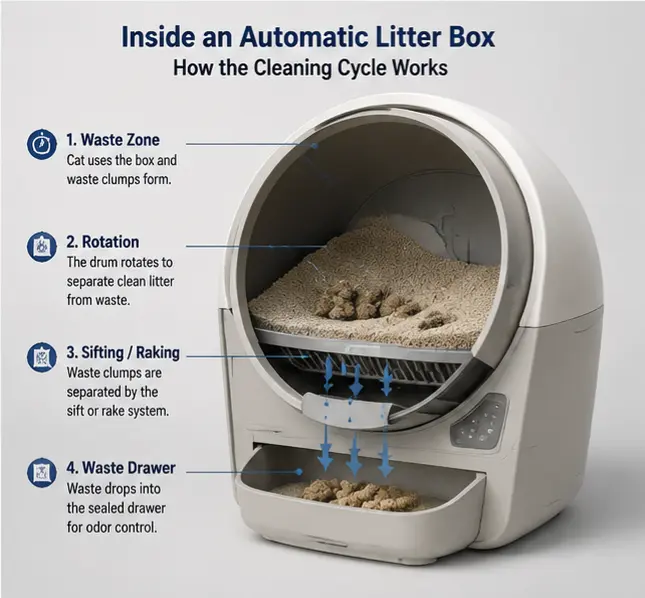
Устройство для самоочистки не знает пощады. В то время как человек аккуратно вычерпывает мягкие комки, грабли или барабан оказывают механическое воздействие по фиксированному графику. Согласно результатам испытаний, проведённых отделом исследований и разработок компании Pet Horizon для производителей оригинального оборудования (OEM), пять основных технических параметров определяют, пройдёт ли наполнитель автоматизированное тестирование:
- Скорость сгущения: < 15 секунд (предотвращает размазывание граблей)
- Целостность/твердость комков: Сохранение характеристик ≥ 85% при испытании на падение
- Насыпная плотность частиц: 0,75–0,95 г/см³ (предотвращает разбрасывание механизма)
- Уровень запыленности: < 0,51 TP3T (защищает инфракрасные датчики и весы)
- Показатель антислеживаемости: Антипригарное покрытие на вкладышах для бочек из АБС/ПП
1. Скорость образования комков
Устройство запускает цикл работы по таймеру, а не тогда, когда комки уже сформировались. Наполнитель, который образует комки за секунды, а не за минуты, гарантирует, что отходы затвердеют до того, как к ним подойдет грабли. Наполнители с медленным комкованием сгребаются, пока они ещё находятся в полужидком состоянии, в результате чего отходы размазываются по лотку и оставляют осадок, который позже затвердевает на поверхности.
2. Твёрдость и целостность комков
Комок должен сохранять целостность при толчках, поднятии и бросании в ящик для отходов. Бентонит образует плотные, устойчивые к разрушению комки. Тофу и смешанные наполнители тоже способны к этому, но только при правильной плотности и соотношении связующего вещества. Рассыпающиеся комки разваливаются и остаются в лотке, гниют и выделяют запах, который устройство и должно было устранить.
3. Плотность частиц
Более тяжёлые частицы остаются в барабане, а не выбрасываются в корпус двигателя или на просеивающее сито. Производители неоднократно отмечают, что наполнители с низкой плотностью и небольшим весом часто приводят к заклиниванию механизма. Плотность также является важным фактором при транспортировке: она увеличивает вес груза, но эти затраты оправдываются значительно меньшим количеством возвратов.
4. Скорость образования пыли
Мелкая пыль не просто досаждает кошке. Внутри герметичного автоматического устройства пыль оседает на инфракрасных датчиках и весовых датчиках, вызывая ложные ошибки “полный” или “заблокировано”. Эффективный борьба с пылью поэтому это требование к совместимости, а не элемент комфорта, и его следует измерять, а не принимать на веру.
5. Поведение антипригарного покрытия
Наполнитель должен легко отделяться от вращающегося барабана или сита, а не прилипать к ним. Накопление остатков приводит к сбою калибровки устройства и в конечном итоге вынуждает проводить ручную тщательную очистку, что сводит на нет все преимущества продукта. Антиадгезионные покрытия и правильный уровень влажности определяют, будет ли наполнитель скользить или прилипать.
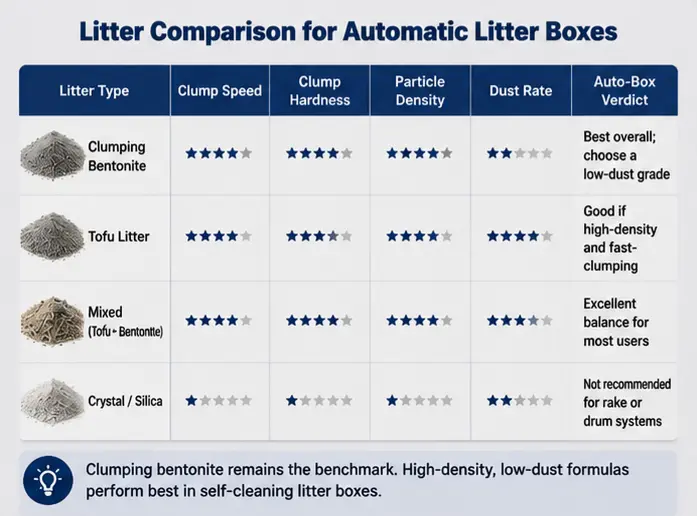
Таблица сравнения наполнителей для автоматических туалетов для кошек
| Тип подстилки | Скорость сгущения | Твёрдость комков | Плотность частиц | Уровень пыли | Вердикт Auto-Box |
|---|---|---|---|---|---|
| Агломерирующий бентонит | Очень быстро | Высокий | Высокий | Средне-высокий (зависит от класса) | Лучший вариант в целом; выбирайте сорт с низким содержанием пыли |
| Подстилка из тофу | Быстрые (известные бренды) | Средне-высокий | Середина | Низкий | Хорошо, если он обладает высокой плотностью и быстро образует комки |
| Смешанный (тофу + бентонит) | Быстрый | Высокий | Средне-высокий | Низкий–средний | Высокая эффективность; обеспечивает баланс между образованием комков и пыли |
| Кристалл / Кремнезем | Не комкующийся | Н/Д | Середина | Очень низкий | Не рекомендуется для агрегатов с гребневыми или барабанными механизмами |
Приведенная таблица носит общий рекомендательный характер; фактические результаты зависят от конкретного устройства и точного состава смеси. Смешанный наполнитель, разработанный с учетом высокой плотности и быстрого комкования, зачастую является наиболее безопасным коммерческим компромиссом, поэтому он набирает популярность среди программ под собственными торговыми марками, которым требуется один артикул, отвечающий как требованиям к эксплуатационным характеристикам, так и требованиям по чувствительности к пыли.
Можно ли использовать наполнитель из тофу в самоочищающемся лотке?
Да — но при определенных условиях. Вопрос из разряда “длинного хвоста” «можно ли использовать тофу-наполнитель в самоочищающемся лотке» не зря вызывает большой интерес: тофу-наполнитель отличается низким содержанием пыли, биоразлагаем и приятен в обращении, однако его более низкая плотность частиц и нестабильная способность к комкованию делают его использование в вращающемся барабане более рискованным, чем в случае с бентонитом.
Существует два типа отказов, которые необходимо учитывать при проектировании: сохранность комков при промывке водой и плотность. Во многих самоочищающихся устройствах используется этап промывки водой или просеивания; комки тофу, которые размягчаются или распадаются при намокании, будут разваливаться и забивать сито. Решением этой проблемы является изменение рецептуры: гранулы тофу с более высокой плотностью или тофу-наполнителя при смешивании с связующим веществом образует комки, которые сохраняют свою целостность на протяжении всего цикла. Плотность также имеет значение — лёгкие, рыхлые волокна тофу поднимаются вверх в механизм, тогда как более плотные экструдированные гранулы оседают и легко удаляются с помощью скребка. Для покупателей действует практическое правило: оценивать конкретную рецептуру тофу с учётом требований целевого оборудования, а не полагаться исключительно на название материала.
Наполнитель, совместимый с Litter-Robot: что говорят производители устройств
Компания Whisker, производитель Litter-Robot, публично предупреждает, что некомкующиеся и легкие наполнители забивают механизм. Эта рекомендация фактически является техническим заданием для производителей наполнителей: если состав некомкующийся или имеет низкую плотность, он отбраковывается еще до начала тестирования. Что касается комкующихся бентонитовых наполнителей, а также правильно сбалансированных тофу-наполнителей или смешанных наполнителей, то в собственной документации бренда они рассматриваются как совместимые.
Практический вывод для покупателей прост. “Наполнитель, совместимый с Litter-Robot” — это не сертифицированная категория, а любой комкующийся, достаточно плотный и малопыльный наполнитель, который не слипается на шаре. Поставщик, способный документально подтвердить твёрдость комков и уровень пылеобразования, даёт дистрибьюторам обоснованное утверждение о совместимости, и именно эта документация отличает маркетинговый слоган от технических характеристик, которым покупатели могут доверять.
Какой наполнитель не следует использовать в автоматическом туалете для кошек
Обратный список играет не менее важную роль в сфере закупок и в предотвращении возвратов:
- Некомкующийся наполнитель – никогда не образует сплошной массы, поэтому грабли распределяют жидкие отходы, а не удаляют их.
- Легкий / с низкой плотностью наполнитель – попадали в двигатель и на экран, вызывая замятия и ложные ошибки.
- Подстилка с высоким содержанием пыли – образует налет на датчиках и весах, что приводит к появлению ложных предупреждений о необходимости технического обслуживания.
- Кристалл / кремнезем (в единицах «rake» или «drum») – впитывает, не образуя комков, поэтому при автоматическом удалении отходы не удается отделить.
- Глиняные подстилки с некачественным антислеживающим покрытием – прилипают к барабану и со временем приводят к сбою калибровки.
Распространенные ошибки при подборе наполнителя для автоматических туалетов
- Если предположить, что любой ярлык с указанием “комкование” является достаточным, то скорость образования комков и их твердость значительно различаются не только у разных брендов, но даже у разных партий.
- Смена наполнителя без повторного выполнения калибровки устройства или обучения определению уровня наполнителя, что приводит к неверным показаниям.
- Несмотря на то, что коробка “герметична”, уровень запыленности не учитывается — внутренние датчики все равно загрязняются и дают отклонения.
- Использование облегчённых конструкций для снижения веса посылок, а затем обработка возвратов из-за заклинивания механизмов.
- Не стоит считать тофу автоматически безопасным — об этом решают плотность и целостность комков, а не название материала.
- Приобретение товара, ориентируясь исключительно на цену за килограмм, без проверки на соответствие профилю реального устройства.
Как Pet Horizon обеспечивает совместимость с автоматическими туалетами для кошек
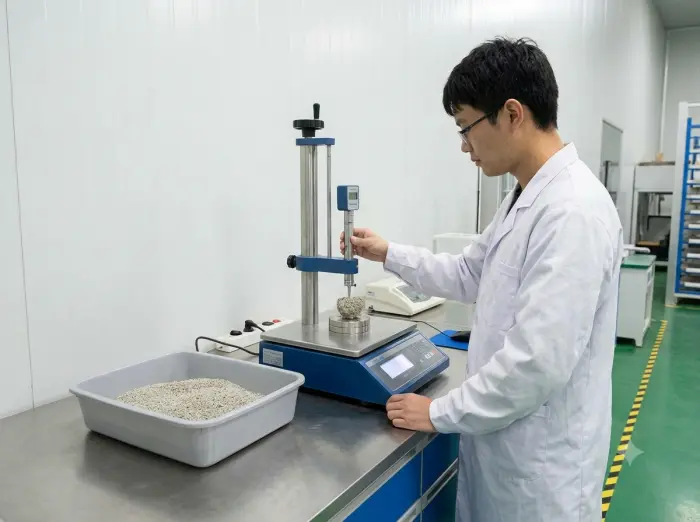
«Pet Horizon» — производитель наполнителей для кошачьих туалетов с более чем 20-летним опытом работы в отрасли и более чем 10-летним опытом сотрудничества по схемам OEM/ODM, осуществляющий экспорт в более чем 80 стран. В категории автоматических лотков мы рассматриваем тестирование на совместимость не как дополнительную услугу, а как де-факто стандарт: скорость комкования, твёрдость комков, плотность частиц и уровень пылеобразования проверяются на соответствие параметрам, публикуемым производителями устройств.
Благодаря нашему Наполнитель для кошачьего туалета от производителя В рамках этой программы мы разрабатываем индивидуальные рецептуры, “совместимые с автобоксами” — как правило, это высокоплотный, быстро комкующийся тофу или смешанный наполнитель — с учетом целевого устройства клиента и региональных требований по контролю за пылью. Минимальный объем заказа составляет 1 контейнер размером 20 футов и может быть скорректирован по договоренности в зависимости от рецептуры и пункта назначения. Мы не заявляем о сертификатах, которых у нас нет, и не публикуем результаты испытаний, которые мы не проводили; наш авторитет в данной области основан на технологическом процессе и задокументированных технических характеристиках, а не на маркетинговых лозунгах.
Заключение
Лучший наполнитель для кошачьего туалета, предназначенного для автоматической уборки, определяется техническими характеристиками, а не известностью бренда. Быстрое комкование, высокая плотность, низкое содержание пыли и нелипкость — вот что отличает наполнитель, который выдерживает автоматическую очистку, от того, который забивает устройство. Комкующийся бентонит по-прежнему остается эталоном, в то время как хорошо сбалансированные наполнители на основе тофу и смешанные наполнители сокращают разрыв для покупателей, которые хотят меньшего содержания пыли и биоразлагаемости. Как показывают появление на рынке продукта Dr. Elsey’s и предупреждения компании Litter-Robot, производители устройств и наполнителей сходятся во взглядах на общие технические характеристики — и те поставщики, которые первыми проведут соответствующие испытания, завоюют авторитет на рынке.
Часто задаваемые вопросы
Да, при условии, что корм обладает высокой плотностью и быстро образует комки. Существуют следующие риски: распадение комков при перегребании водой и низкая плотность частиц, из-за чего отдельные волокна могут проникнуть в механизм. Наилучшие результаты дают более плотные экструдированные гранулы или смесь на основе тофу с добавлением комкообразователя.
Не используйте в граблях или барабанных устройствах некомкующийся наполнитель, легкий или малоплотный наполнитель, наполнитель с высоким содержанием пыли, а также кристаллический или кремнеземный наполнитель. Производители оборудования предупреждают об использовании именно этих видов наполнителей, поскольку они приводят к забиванию механизмов и заглушению датчиков.
Грабли и барабан оказывают механическое воздействие по заданному графику. Мягкие или крошащиеся комки разваливаются, остаются в лотке и перегнивают. Твёрдые, целые комки аккуратно выталкиваются в ящик для отходов — в этом и заключается весь смысл устройства.
Мелкая пыль скапливается на инфракрасных датчиках и весовых датчиках внутри герметичного блока, что приводит к ложным ошибкам “полный” или “заблокировано”. Поэтому низкий уровень запыленности является требованием к совместимости, а не просто элементом комфорта для кошки.
Нет. “Наполнитель, совместимый с Litter-Robot” — это не официальная сертификация. Под этим термином подразумевается любой комкующийся, достаточно плотный и малопыльный наполнитель, который не слипается на шаре. Именно задокументированные показатели твердости комков и уровня пылеобразования позволяют обосновать данное утверждение.
Да. В рамках программы OEM компания Pet Horizon разрабатывает высокоплотный, быстросгущающийся наполнитель на основе тофу или смешанный наполнитель, адаптированный к целевому устройству клиента и его требованиям по снижению запыленности. Составы наполнителей проверяются на соответствие опубликованным параметрам устройств, а не на основе предположений.
Минимальный объем заказа составляет 1 контейнер размером 20 футов и может быть скорректирован по согласованию в зависимости от состава продукции и рынка сбыта. Точные объемы подтверждаются на этапе согласования технических характеристик с OEM-производителем.
Зачастую даже чуть больше, поскольку обеспечение плотности и контроль за пылью требуют более тщательной разработки рецептуры и сортировки. Взамен это приводит к снижению количества возвратов и укреплению позиций набора устройств, что, как правило, способствует увеличению маржи на розничном уровне.
Лучший наполнитель для Litter-Robot — это малопыльный, хорошо комкующийся наполнитель с достаточной плотностью. Обычно выбирают премиальный бентонит и смеси на основе тофу высокой плотности, поскольку они обеспечивают чистое отделение отходов во время цикла вращения.
Автоматические туалеты для кошек не всегда требуют использования специального наполнителя, но к нему предъявляются определенные требования: быстрое комкование, низкая пылеобразование, подходящий размер частиц и отсутствие склонности к слипанию.
Идеальный размер частиц зависит от конструкции машины, однако плотные частицы среднего размера, как правило, демонстрируют лучшие рабочие характеристики, поскольку они снижают образование следов и при этом сохраняют стабильность во время вращения и сгребания.