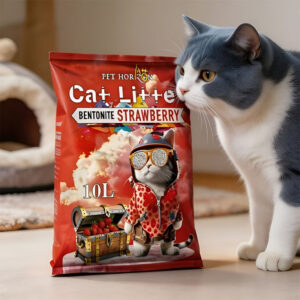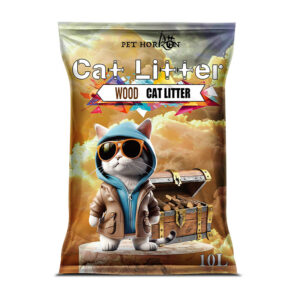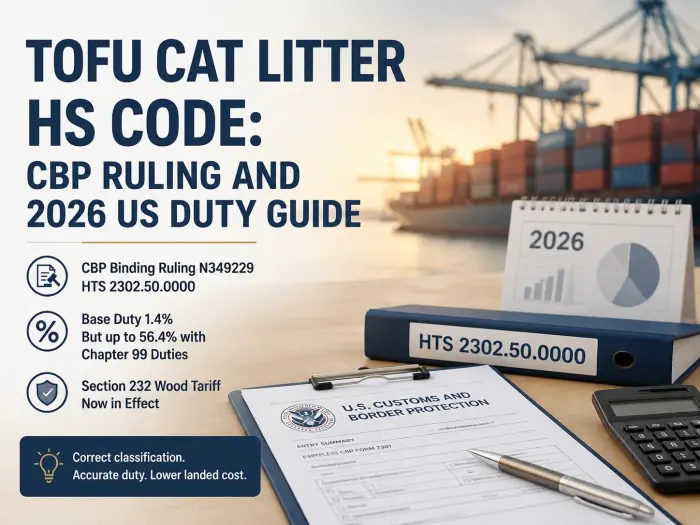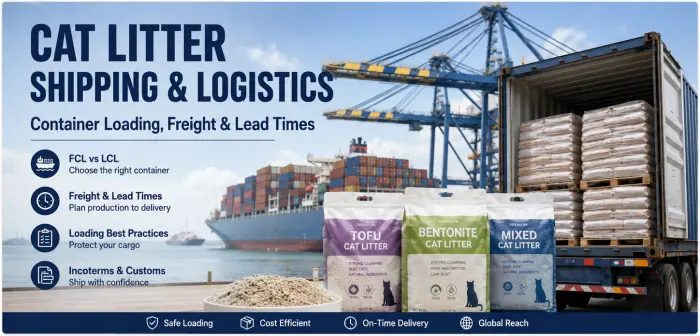





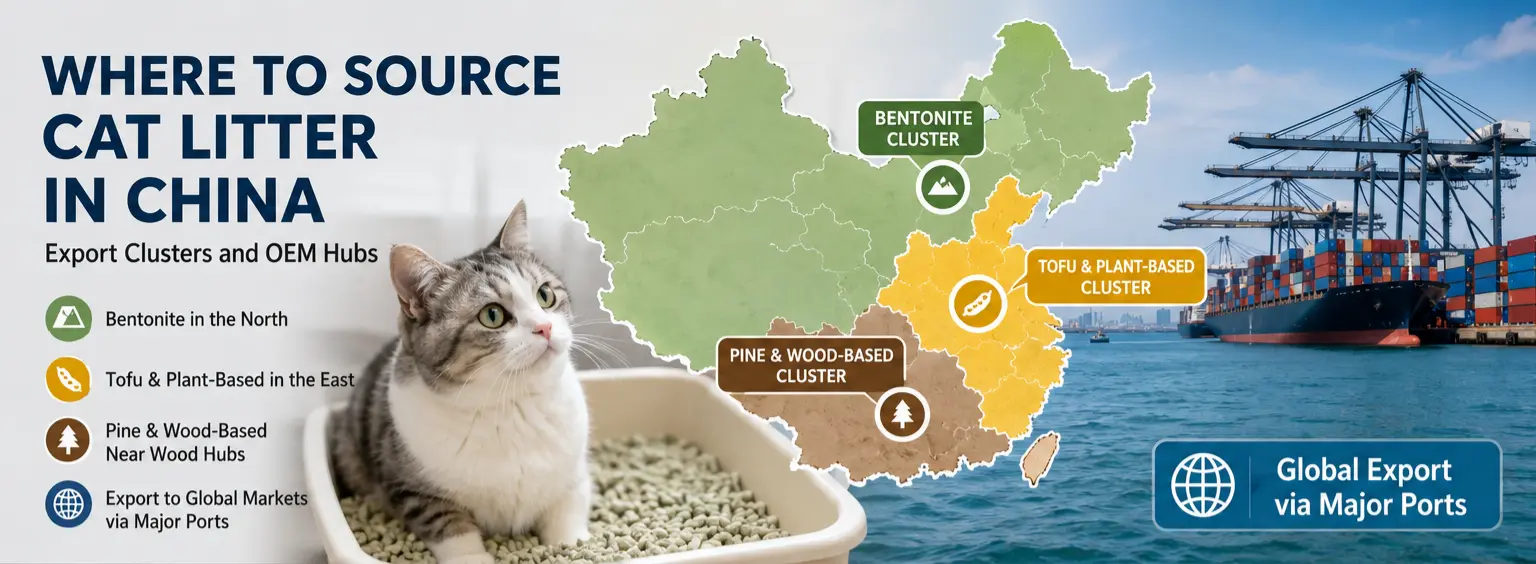
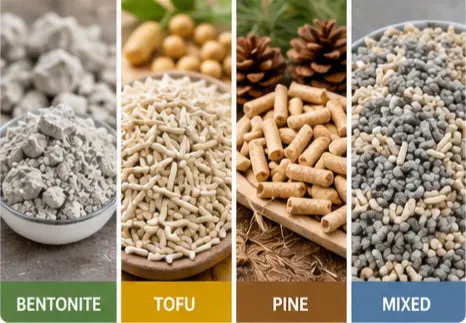
China is a major sourcing base for cat litter, but production is not evenly distributed across the country. Bentonite litter is concentrated in northern mineral-producing areas, tofu and other plant-based litter is linked to eastern agricultural and processing regions, while pine and wood-based litter tends to be located near wood-processing hubs. For importers and private-label brands, understanding these sourcing clusters helps narrow the supplier search, compare raw-material advantages, and choose a China-based OEM that matches the required formula, volume, and export market.
Quick Answer
China’s cat litter sourcing clusters can be grouped by raw material: northern mineral-producing areas are important for bentonite litter, eastern agricultural and processing regions support tofu and other plant-based litter, and wood-processing regions supply pine and wood-based litter. For importers, cat litter sourcing in China is most effective when buyers first identify the right raw-material cluster, then weigh the litter formula, required volume, raw-material availability, production capability, and export logistics rather than geography alone.
Why Cluster Geography Matters
Cat litter is relatively heavy and cost-sensitive, so raw-material access and export logistics can influence where manufacturers locate. Bentonite suppliers may benefit from proximity to mineral-processing regions, while plant-based and wood-based litter producers may benefit from access to agricultural or wood-processing supply chains. For importers, sourcing within a relevant cluster can help with raw-material availability, production scale, and logistics, but buyers should still verify the supplier’s actual feedstock sources, processing capabilities, quality controls, and export arrangements.
Northern China Bentonite Cat Litter Cluster
Bentonite cat litter production is concentrated in northern Chinese regions with established bentonite mining and mineral-processing industries. The sourcing advantage comes from proximity to raw bentonite, crushing and screening facilities, and established bulk-material logistics. For importers buying large volumes of clumping litter, suppliers located close to the mineral supply chain can offer advantages in raw-material consistency, processing scale, and transport economics. When evaluating a bentonite OEM, buyers should therefore verify not only the factory location but also the origin and processing route of its bentonite feedstock.
Eastern China Tofu and Plant-Based Cat Litter Belt
Tofu and other plant-based cat litter production is often associated with eastern China’s agricultural and food-processing regions, where plant-based raw materials and processing infrastructure are more accessible. Tofu litter formulations may use soybean-processing by-products together with starches and other plant-based ingredients, so buyers should verify the actual feedstock and formulation rather than assuming that every tofu litter factory uses the same raw materials. For private-label programs, production capability, extrusion technology, dust control, and formula flexibility are more important than location alone.
Pine, Wood-Based, and Mixed Cat Litter Hubs
Pine and other wood-based cat litters are commonly sourced from areas with established wood-processing, sawdust, or biomass-processing industries. Mixed litters combine mineral and plant-based materials and can be produced by OEMs with flexible blending and extrusion capabilities. These suppliers may be useful for private-label brands looking for customized particle size, odor-control performance, clumping behavior, or a combination of different raw materials. Buyers should evaluate the actual formulation and production process rather than assuming that all mixed-litter suppliers have the same capabilities.
Export Infrastructure and Channels
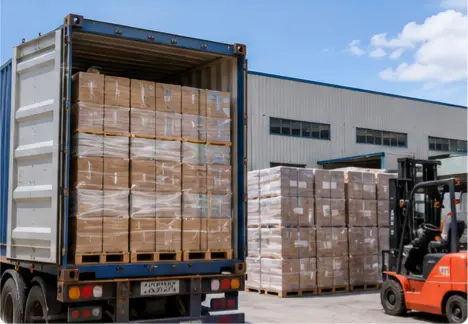
Export logistics are an important part of supplier selection because the factory’s location, production site, inland transport, port access, and export arrangements can all affect lead time and landed cost. Importers should confirm the actual export port, shipping terms, documentation responsibilities, and preferred Incoterm with each supplier before comparing quotations. Trade shows can complement online supplier research by giving importers an opportunity to compare factories, private-label capabilities, packaging options, and product samples in person.
- CIPS (China International Pet Show) — particularly relevant for buyers looking for Chinese pet-product manufacturers and OEM/ODM suppliers. The CIPS official site lists exhibitors and pavilions.
- Pet Fair Asia (Shanghai) — another major sourcing event for the Asian pet-care supply chain.
Because exhibition dates and exhibitor lists can change each year, buyers should check the organizers’ official websites before planning a sourcing trip.
How to Vet a China-Based OEM
To vet a China-based cat litter OEM, buyers should evaluate four areas: market-specific compliance, material traceability, production control, and export track record. Cluster location can help narrow the supplier search, but it does not replace factory-level verification.
- Market-specific compliance. Ask the supplier to identify the regulatory and documentation requirements for your destination market. Common examples include REACH-related compliance for the EU and specific import, registration, testing, labeling, or conformity requirements in other markets such as the Gulf (for example, SABER/SASO). Do not treat a certificate held by the factory as a substitute for checking the requirements that apply to your shipment.
- Material traceability. Ask for raw-material source declarations and heavy-metal / silica test reports.
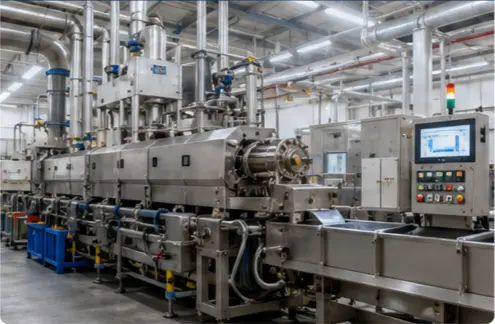
- Production control. Inspect the actual manufacturing line; the cat litter manufacturing process reveals what good process control looks like.
- Export track record. Review the supplier’s experience in your target markets, previous export documentation, customer references where available, and ability to meet the labeling, packaging, and shipping requirements of your destination country.
The cat litter sourcing and buying guide expands this checklist into a full supplier-selection framework, including how to structure a trial order before committing to volume.
Private-Label Program Considerations
For a private-label range, cluster selection should support the product strategy rather than determine it. Large-volume clumping programs may benefit from sourcing close to established bentonite supply chains; plant-based and tofu programs may benefit from regions with suitable agricultural and processing infrastructure; and mixed formulas require OEMs with the appropriate blending, extrusion, and quality-control capabilities. The final supplier decision should combine raw-material access, production technology, MOQ, quality consistency, certification requirements, and export logistics.
Does the Factory Location Matter More Than the Factory?
Factory location is useful for narrowing the search, but it should not be the final supplier-selection criterion. A manufacturer outside a major raw-material cluster may still be competitive if it has reliable feedstock contracts, strong production technology, consistent quality control, and efficient export logistics. For importers, the better approach is to use geographic clusters to build a supplier shortlist, then compare each OEM on raw-material traceability, production capability, testing, MOQ, lead time, packaging, and export experience.
Cluster Comparison at a Glance
| Cluster | Typical material focus | Suitable for | Key sourcing consideration |
|---|---|---|---|
| Northern bentonite regions | Bentonite | Large-volume clumping programs | Mineral supply and bulk processing |
| Eastern plant-based regions | Tofu and plant-based | Plant-based private label | Feedstock and extrusion capability |
| Wood-processing regions | Pine and wood-based | Wood-based SKUs | Sawdust/wood by-product supply |
| Mixed-formula OEM hubs | Mixed formulas | Customized blends | Blending and formulation capability |
RFQ Template for First Contact
A structured request for quotation screens suppliers faster than open-ended emails. Include:
- Target formula and base material (clay, tofu, pine, mixed).
- Required particle size, dust specification, clumping performance, and odor-control requirements.
- Required compliance documents for the destination market, including applicable testing, labeling, registration, or conformity requirements.
- MOQ, preferred pack size, and monthly volume estimate.
- Lead-time expectation and Incoterm (FOB, CIF, DDP).
- Request for heavy-metal / silica test reports and factory audit availability.
Red Flags When Sourcing in China
A few signals should slow a buyer down: a supplier unwilling to provide relevant test reports, vague answers about raw-material origin, limited evidence of exports to your target market, inconsistent product specifications, or a quotation that is significantly below comparable offers without a clear explanation. None of these factors proves that a supplier is unsuitable, but multiple warning signs should trigger additional document checks, sample testing, or a factory audit before a substantial deposit or production commitment.
Conclusion
For importers planning cat litter sourcing in China, the most efficient approach is to use regional clusters to narrow the supplier list and then verify each OEM’s raw materials, production capabilities, compliance documentation, and export experience. China’s clusters — bentonite in the north, tofu and plant-based in the east, pine and wood-based near wood-processing hubs — point buyers toward the right supplier pool, but the final decision should rest on manufacturing capability and verification, not geography alone.
Frequently Asked Questions
China has several regional sourcing patterns: northern mineral-processing regions are important for bentonite, eastern agricultural and food-processing regions support tofu and other plant-based litter, and wood-processing areas are relevant to pine and other wood-based products.
Proximity to raw material lowers freight and lead times and signals deep material expertise.
Bentonite cat litter is commonly produced in northern Chinese regions with established bentonite mining and mineral-processing industries. Buyers should verify the actual source and processing route of the bentonite used by each factory.
Tofu and other plant-based cat litter is commonly associated with eastern agricultural and food-processing regions. The actual formula and feedstock vary by manufacturer, so buyers should confirm the raw materials and production process directly with the OEM.
CIPS is a major channel for Chinese pet-product OEM/ODM suppliers, and Pet Fair Asia in Shanghai is another key event for the Asian pet-care supply chain. Because dates and exhibitor lists change each year, check the organizers’ official websites before planning a trip.
Check market-specific compliance, material traceability, production control, and export track record.
The requirements depend on the destination market and product. Common examples include REACH-related compliance for the EU and specific import, registration, testing, labeling, or conformity requirements in other markets such as the Gulf (SABER/SASO). Buyers should ask the supplier for relevant test reports, declarations, certificates, labeling information, and other compliance documents required for the target country rather than relying on a generic certification list.
Yes, pine and wood-based litters commonly source from areas with established wood-processing, sawdust, or biomass-processing industries.
Start with the formula and raw material, then compare suppliers on production technology, quality consistency, MOQ, testing, lead time, packaging, and export capability. Bentonite programs may benefit from northern mineral-processing regions, while tofu and plant-based programs may benefit from eastern agricultural and processing regions.
It can. Sourcing closer to relevant raw-material and processing networks may reduce inland transport requirements and improve access to established logistics routes, but actual lead time depends on factory location, production scheduling, port arrangements, and shipping conditions.