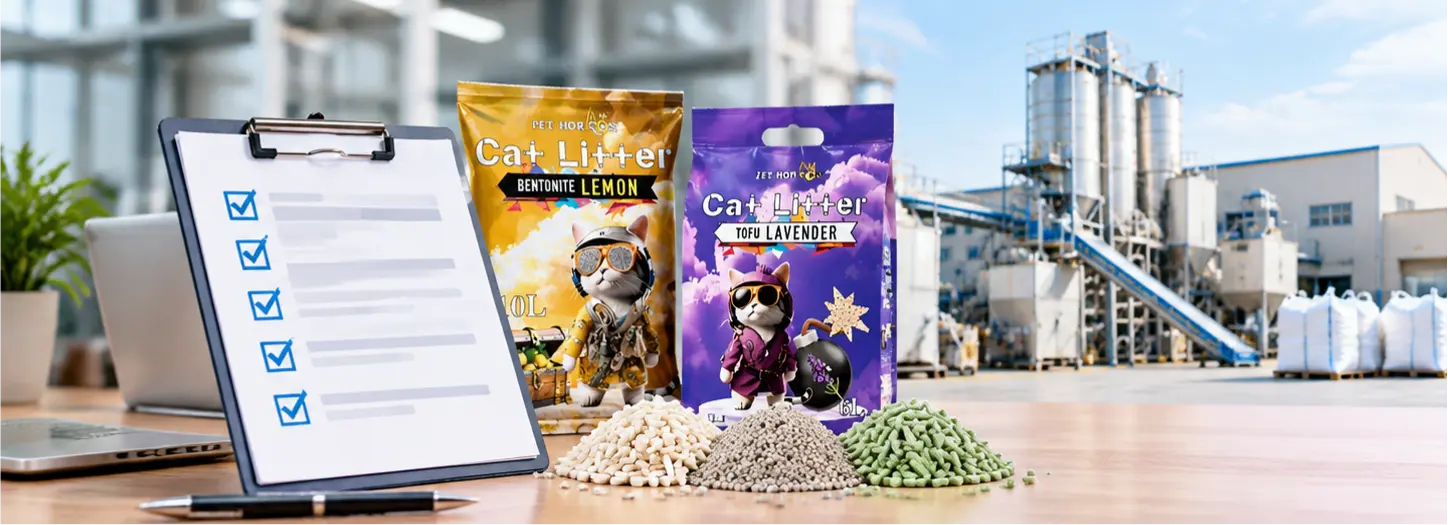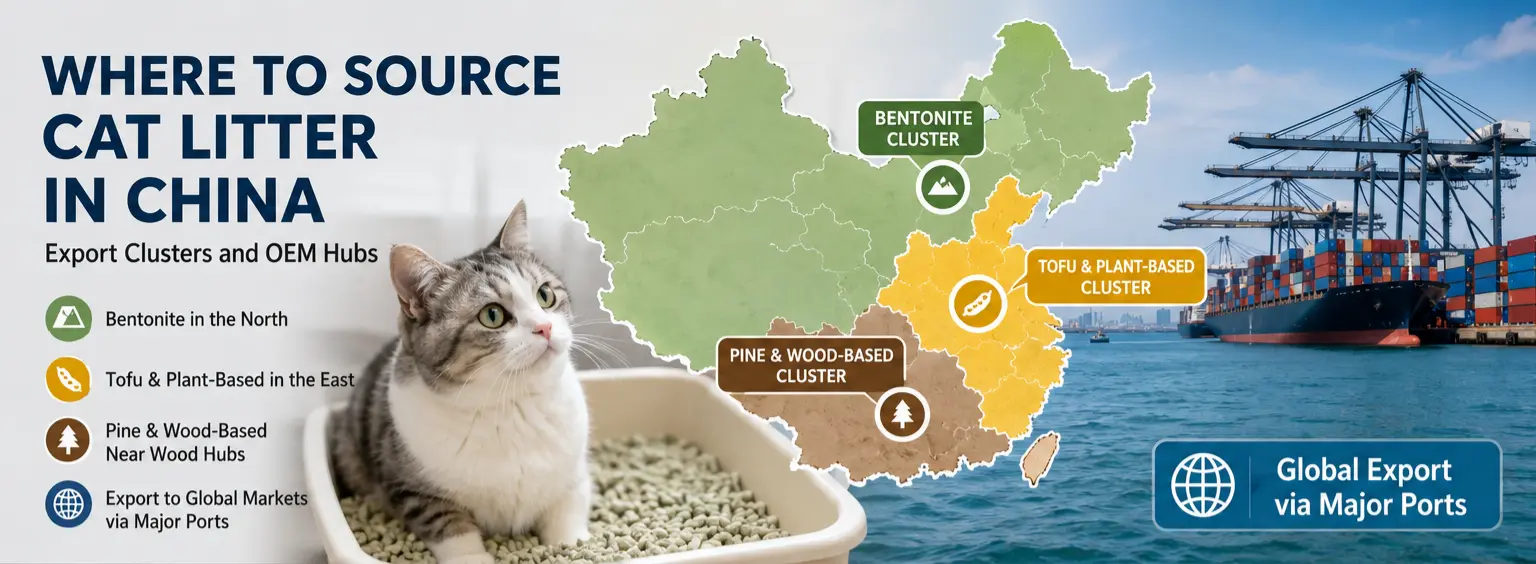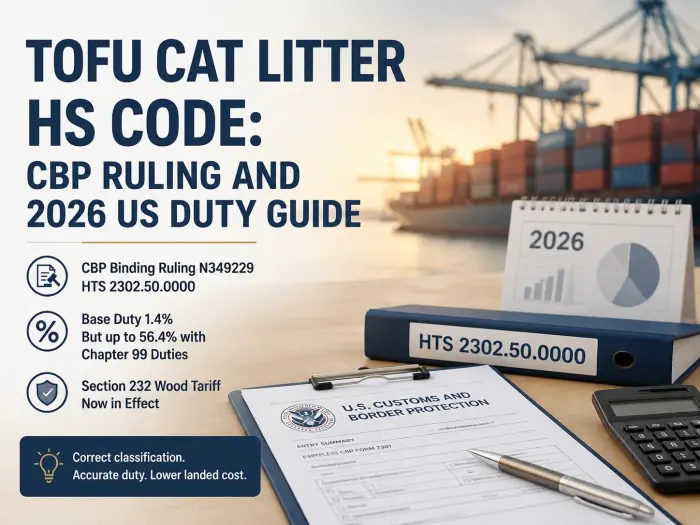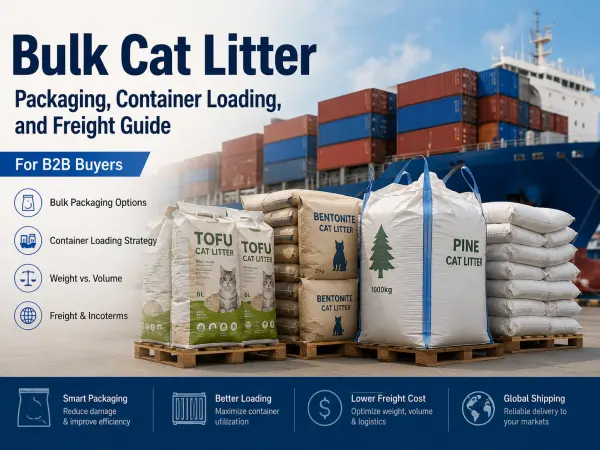





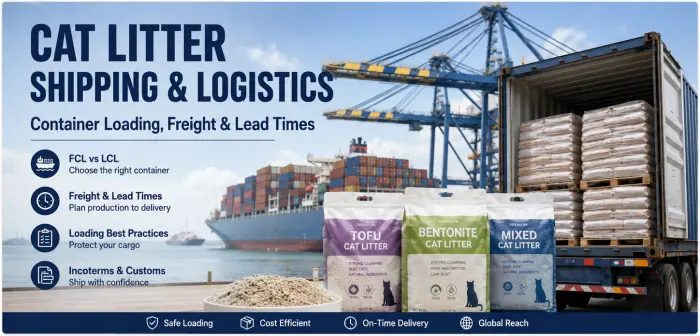
For a cat litter importer, the product is only half the job — getting it from the factory to your warehouse is the other half. Cat litter is deceptively tricky to ship: it is dense, granular, and sensitive to moisture, which makes container loading, freight mode, and lead-time planning decisions that directly affect your cost and your shelf availability. This guide covers FCL vs LCL, why cat litter is a “heavy” cargo, loading and palletization best practices, freight modes, Incoterms, and realistic timelines — built for buyers planning their first or next container.
Quick Answer
Most B2B cat litter moves by ocean freight in full containers (FCL) because the product is heavy and high-volume. A 20ft container often maxes out on weight before it maxes out on space, especially for bentonite. Load on pallets, keep cartons off the floor with stretch wrap and desiccant, and confirm Incoterms (FOB, CIF, EXW) before quoting. Plan for production lead time plus ocean transit plus clearance — typically several weeks end to end. See the import guide for the full sequence.
Key Takeaways
- Most cat litter is shipped via FCL ocean freight.
- Bentonite usually reaches container weight limits before volume limits.
- Correct palletization reduces moisture and transport damage.
- Select Incoterms based on your logistics capabilities.
- Prepare customs documentation before shipment leaves the factory.
Choosing the Right Container: FCL vs LCL
| Option | Best when | Trade-off |
|---|---|---|
| FCL (full container load) | You have enough volume to fill most of a container | Lower per-unit cost; you control loading |
| LCL (less than container load) | Smaller trial or replenishment orders | More flexible but higher per-unit freight and more handling |
| 20ft vs 40ft | 20ft for heavy/bentonite; 40ft for light/voluminous loads | Bentonite often hits weight limits in a 20ft before space runs out |
For most private-label and wholesale programs, FCL is the default once you clear MOQ — see the MOQ guide for how volume maps to container planning.

Weight vs Volume: Why Cat Litter Is a “Heavy” Cargo
Cat litter is dense. A pallet of bentonite litter can approach container weight limits well before the box is full — ocean carriers cap payload by both weight and volume, and the weight limit usually binds first for mineral litter. Tofu and pine are lighter per cubic meter, so a 40ft container may be the better fit. Always ask your supplier for the carton weight, cartons per pallet, and pallets per container so you can model how many units actually fit.
Container Loading and Palletization Best Practices
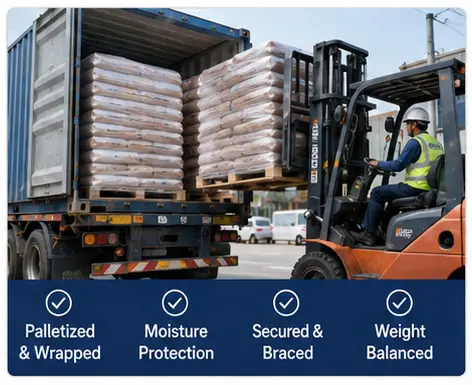
- Palletize with stretch wrap; use slip sheets or corner boards to protect cartons.
- Keep cartons off the container floor with a moisture barrier; add desiccant in humid lanes.
- Block and brace so pallets do not shift during transit — shifting loads damage cartons and invite claims.
- Distribute weight evenly and respect the container’s payload limit; overloading risks rejection at the port.
- Photograph loading as a record for insurance and dispute resolution.
Ocean, Rail, or Air? Matching Mode to Order
Ocean freight remains the most cost-effective cat litter shipping solution for international wholesale orders.: lowest cost per unit, acceptable for non-urgent replenishment. Rail (e.g. China–Europe) can be a faster alternative to ocean for some lanes. Air freight is rarely economical for bulk litter because of weight — reserve it only for urgent samples or tiny high-value orders. Match the mode to your lead-time need, not the other way around.
Incoterms That Matter for Cat Litter Buyers
The Incoterm defines who pays freight, insurance, and import duty, and where risk transfers. The current edition is Incoterms 2020, published by the International Chamber of Commerce (ICC); the official ICC Incoterms rules provide the authoritative definitions for each term.
- EXW (Ex Works): buyer handles everything from the factory door — most control, most responsibility.
- FOB (Free On Board): seller delivers onto the vessel; buyer handles ocean and import — common for experienced importers.
- CIF (Cost, Insurance, Freight): seller pays to the destination port; buyer handles import clearance and duty.
- DDP (Delivered Duty Paid): seller handles nearly everything including duty — simplest for the buyer, usually priced in.
Pick the term that matches your appetite for control versus convenience. The choice also affects where duty is calculated — tie it back to the tariff guide.
Realistic Lead Times (Production + Transit)
Plan the full chain, not just transit:
- Production: depends on formulation complexity and line load; confirm per inquiry.
- Pre-carriage and loading: factory to port, plus loading time.
- Ocean/rail transit: weeks, not days, on most international lanes.
- Customs clearance: faster with clean documentation (see below).
- Last-mile: port to your warehouse.
Build buffer for peak seasons and customs holds. A realistic plan prevents the classic “container arrived but we’re out of stock” gap.
Documentation Checklist
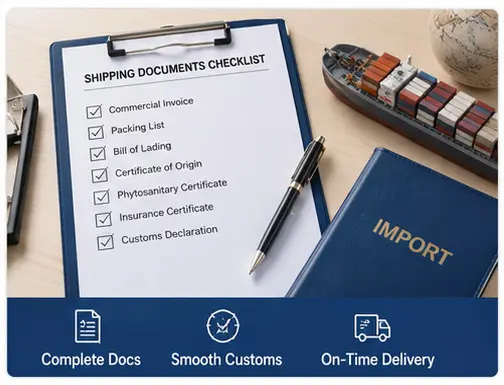
Clean documents are what keep a container moving. For cat litter, assemble:
- Commercial invoice and packing list
- Bill of lading (or air waybill)
- Certificate of analysis (CoA) per batch
- Certificate of origin
- HS classification support (see the HS code guide)
- Relevant certifications (ISO 9001, BSCI, SGS, REACH as applicable)
Pet Horizon provides export documentation and supports OEM and private-label programs across tofu, bentonite, pine, and mixed formats; request specifics via our contact page or the export compliance hub.
Why Buyers Work with Pet Horizon
Pet Horizon supports wholesalers, distributors, supermarket chains, and private-label brands in more than XX countries.
Our export team coordinates container loading, pallet configuration, shipping documentation, OEM packaging, and customs documentation support to help buyers reduce logistics risks.
Whether shipping tofu cat litter, bentonite cat litter, or mixed formulas, every shipment follows standardized loading and inspection procedures before leaving the factory.
Conclusion
Shipping cat litter well is a planning exercise: choose FCL once volume justifies it, respect the weight limit that binds first for bentonite, palletize and brace for a long ocean lane, and pick an Incoterm that matches your control preference.
Successful cat litter shipping depends on choosing the right freight method, controlling loading quality, preparing complete export documents, and working with an experienced manufacturer that understands international logistics requirements.
Model production plus transit plus clearance into your lead time, and keep documentation tight so customs is a formality. Start with our HS code guide and tariff guide, then run the whole sequence in our cat litter import guide.
Frequently Asked Questions
Should I ship cat litter FCL or LCL?
FCL once you have enough volume to fill most of a container — it is cheaper per unit and gives you control over loading. Use LCL for trials or small replenishments, accepting higher per-unit freight and more handling.
Why does a 20ft container fill up by weight for bentonite?
Bentonite litter is dense. A 20ft container often reaches its payload weight limit before the space is full, so you hit the weight cap first. Lighter litters like tofu or pine may use a 40ft more efficiently.
Which Incoterm is best for a first-time importer?
Many first-time buyers start with CIF or DDP to reduce logistics responsibility, then move to FOB or EXW as they gain experience and want more control over freight and duty.
How long does cat litter shipping take?
Plan in weeks, not days: production lead time plus ocean/rail transit plus clearance plus last-mile. Build buffer for peak season and customs holds so you do not run out while the container is at sea.
What documents do I need to clear cat litter through customs?
At minimum: commercial invoice, packing list, bill of lading, certificate of analysis per batch, and certificate of origin, plus HS support and relevant certifications. See the export compliance hub for the full set.
Is air freight ever worth it for cat litter?
Rarely for bulk — weight makes air costly. Reserve it for urgent samples or very small, high-value orders. Ocean or rail is the economical default for volume.
How should cartons be loaded to avoid damage?
Palletize with stretch wrap, keep cartons off the floor with a moisture barrier and desiccant, block and brace to prevent shifting, distribute weight evenly, and photograph loading for the record.
Can cat litter be shipped together with other pet products?
Yes. Many importers consolidate cat litter with pet accessories or other pet care products in the same container, provided weight distribution, customs classification, and packaging compatibility are properly managed.
How can moisture damage be prevented during ocean shipping?
Moisture can be minimized by using pallet stretch wrap, moisture barriers, container desiccants, and proper ventilation. Containers should also be inspected before loading to ensure they are dry and free of leaks.
What information should I confirm before booking a shipment?
Before booking, confirm the product weight, carton dimensions, pallet configuration, container loading quantity, Incoterms, production schedule, required export documents, and destination import requirements to avoid unexpected delays.