

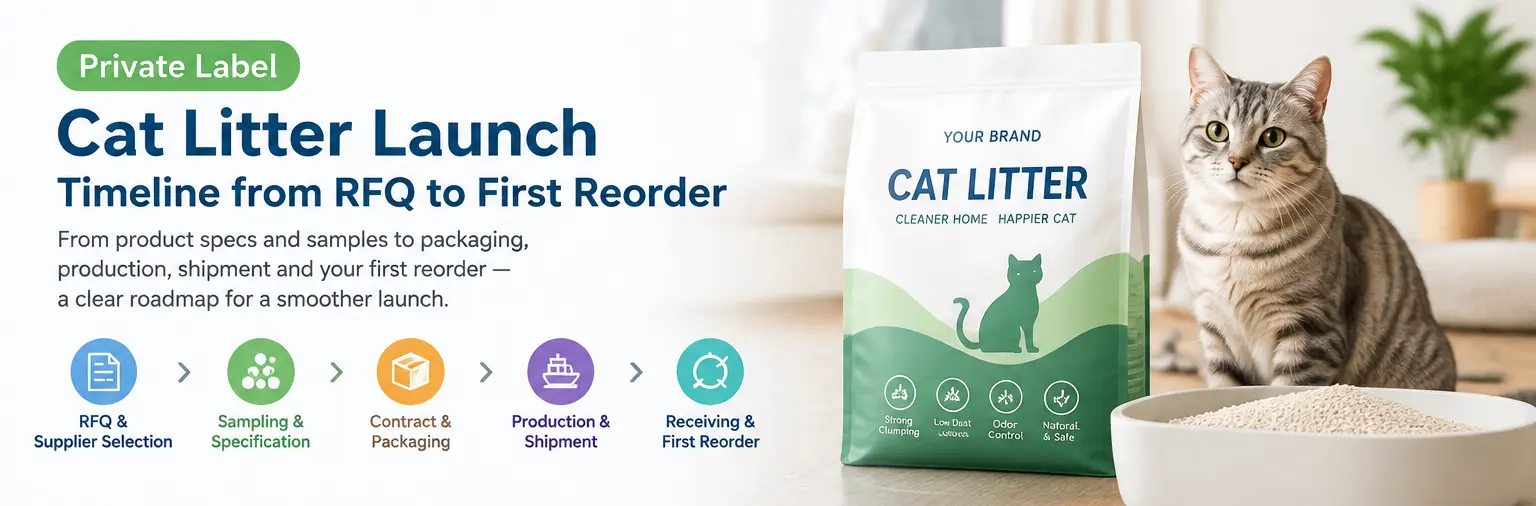
A private label cat litter launch takes more than a production slot. For retailers, importers, and pet brands sourcing from an overseas cat litter manufacturer, the first order depends on several connected decisions: product specifications, sample approval, packaging artwork, production planning, quality inspection, and export logistics. The schedule often slips when these decisions are made sequentially or when packaging and shipping requirements are confirmed too late. This guide maps the key milestones from the first request for quotation (RFQ) to the first reorder, with a focus on the handoffs a buyer and manufacturer need to manage.
A private label cat litter launch typically involves five stages: RFQ and supplier selection, sampling and specification approval, contract and packaging approval, production and shipment, and destination receiving plus reorder planning. Allow roughly 10–16 weeks as an initial planning estimate for a straightforward overseas launch, but do not treat this as a guaranteed lead time. The actual schedule depends on sample revisions, custom packaging production, order volume, freight transit, customs clearance, and destination receiving. Confirm the production-ready date, shipping schedule, and estimated warehouse arrival separately with your cat litter manufacturer and freight forwarder.
For this guide, a successful launch means the approved cat litter formula and packaging have been produced, the shipment documents are ready, and the buyer has received stock that meets the agreed specifications. Retail listing and sell-through tracking follow receipt; the first reorder then provides the first practical test of whether the product, packaging, and supply schedule are repeatable.
Why a Launch Timeline Matters
A private label cat litter project has two timelines to manage: product readiness and supply readiness. The product must meet the buyer’s agreed requirements for clumping, dust, moisture, particle size, and odor control where applicable. At the same time, the packaging must be approved, available in the correct quantity, and suitable for the intended filling and shipping process.
These workstreams do not always finish together. A tofu cat litter sample may be approved while custom printed pouches are still in production; a bentonite cat litter order may be ready for filling while the buyer is finalizing label translations or carton markings. Build the schedule around approval gates and dependencies rather than assuming that production lead time alone determines the launch date. The estimates below are planning ranges, not guaranteed durations, and should be replaced with a project-specific schedule once the product, packaging, quantity, and destination are confirmed.
The End-to-End Private Label Cat Litter Launch Timeline
| Phase | Indicative planning range | Primary owner | Required output |
|---|---|---|---|
| 1. RFQ and supplier qualification | 1–2 weeks | Buyer, with supplier input | Comparable quotation and confirmed requirements |
| 2. Sampling and specification approval | 2–4 weeks | Both | Approved sample and written product specification |
| 3. Contract and packaging approval | 2–4 weeks; may overlap with sampling | Both | Confirmed commercial terms and approved artwork |
| 4. Production, inspection, and shipment | Typically 3–6 weeks for production and inspection planning; transit is additional and route-dependent | Manufacturer and logistics partners | Accepted finished goods and shipping documents |
| 5. Destination receiving and reorder review | Receiving time depends on transit, customs, and warehouse processes; reorder review follows sell-through | Buyer, with supplier support | Received stock and a demand-based replenishment plan |
These ranges are not additive by default. Packaging artwork can be prepared while samples are being evaluated, but final printing should use approved artwork and confirmed pack specifications. The overall launch date depends on the critical path: the sequence of tasks that must finish before goods can ship or be received. Separate factory lead time, freight transit, customs clearance, and warehouse receiving in the project schedule, and confirm each with the responsible party.
Phase 1: RFQ and Supplier Shortlist
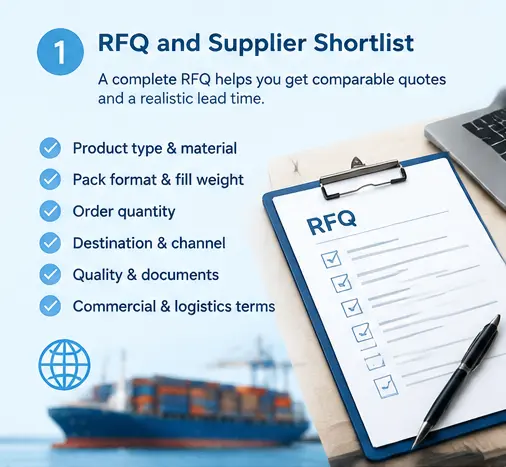
The request for quotation is where most launches win or lose speed. A vague RFQ produces vague quotes that cannot be compared, which pushes the sampling phase backward. A complete RFQ pack lets a manufacturer return a usable quote and a realistic lead time on the first try.
What to include in your RFQ
- Product and material: tofu, bentonite, pine, or a defined mixed formula, including any required particle size, fragrance, or performance targets.
- Pack format and fill weight: retail pouch, bag, carton, or bulk packaging, with the target net weight or volume.
- Order quantity: estimated first-order volume, annual demand, and any expected repeat-order pattern.
- Destination and sales channel: target country, intended retail or wholesale channel, and any known labeling or import requirements.
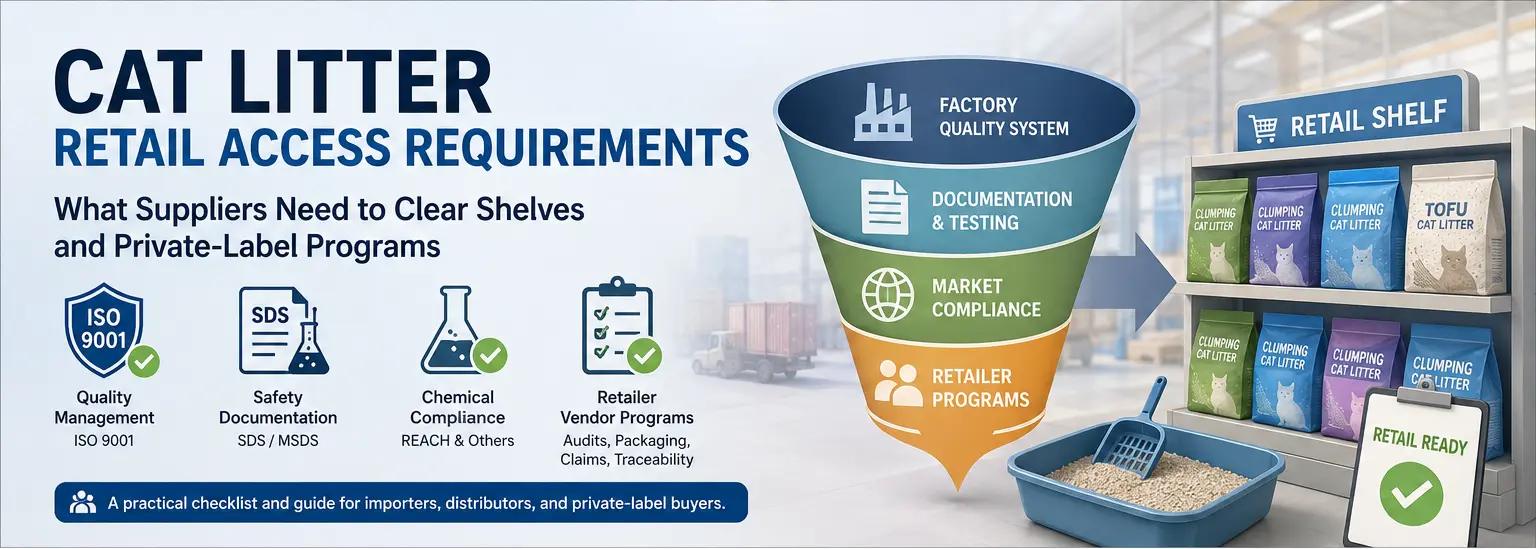
- Quality and documentation requirements: agreed test methods, relevant safety data, requested certificates, audit requirements, and substantiation for product or environmental claims, as applicable to the product and market.
- Commercial and logistics terms: preferred Incoterms, destination port or delivery location, target delivery window, and any pallet or container-loading requirements.
How to shortlist without overcommitting
Shortlist on three questions: can the plant make your material and pack size, can it supply the documents your market requires, and has it shipped to your region before? A supplier that answers these clearly is more valuable than one that promises the shortest lead time. Review Pet Horizon’s private label cat litter service to understand the available OEM options before submitting your product requirements and requesting a quotation.
Compare quotes beyond unit price
A lower quotation does not always mean a lower landed cost. Before comparing cat litter manufacturers, check whether the offers use the same formula, pack weight, packaging material, order quantity, Incoterm, and inspection scope.
Ask each supplier to clarify:
- Whether the quotation covers the product only or includes custom printed packaging.
- Whether the quoted MOQ applies per product, formula, package size, or artwork design.
- Whether sample development, printing setup, testing, and inspection involve separate charges.
- What production lead time starts from: order confirmation, deposit receipt, sample approval, or packaging approval.
- Which export documents and logistics services are included in the quoted terms.
Compare like-for-like quotations first, then evaluate quality consistency, delivery reliability, and communication. A clearly defined quotation is more useful for planning than a low price with unresolved assumptions.
Phase 2: Sampling and Formula Lock
Sampling is where the buyer turns a product idea into an agreed manufacturing specification. Ask the cat litter manufacturer to supply samples that match the intended formula and pack format, and evaluate them against written acceptance criteria rather than subjective impressions alone. The appropriate checks depend on the litter type: tofu litter may require particular attention to moisture, granule integrity, dust or fines, and clumping; bentonite litter may require checks for clump strength, particle-size distribution, and dust; pine litter may require checks suited to its particle structure and moisture characteristics.
Define acceptance before approving the sample
- Particle size and fines: specify the size range, test method, and acceptable fines threshold.
- Clumping and clump strength: define the test conditions, evaluation time, and pass/fail criteria where relevant.
- Moisture content: agree on the test method, sampling conditions, and maximum permitted value.
- Absorption and odor control: define measurable criteria where these are important to the product positioning.
- Appearance and fragrance: document the acceptable color, granule shape, fragrance profile, and any relevant visual reference.
- Batch acceptance: agree how production samples will be collected and evaluated, and how nonconforming goods will be handled.
Record the approved sample, specification revision, and test methods together. Any later change to the formula, raw materials, or acceptance limits should be documented and approved by both parties before it is used for production. Numerical limits should come from the buyer’s product requirements and a validated test method, not from a generic threshold applied to every litter type.
For example, a buyer sourcing tofu cat litter might approve a sample that clumps quickly but still need to define a separate dust or fines limit for production batches. The approved sample provides a physical reference; the written specification defines how the manufacturer and buyer determine whether later batches are acceptable. Both are necessary because a visual comparison alone cannot reliably establish every performance characteristic.
Phase 3: Contract, Specifications, and Packaging
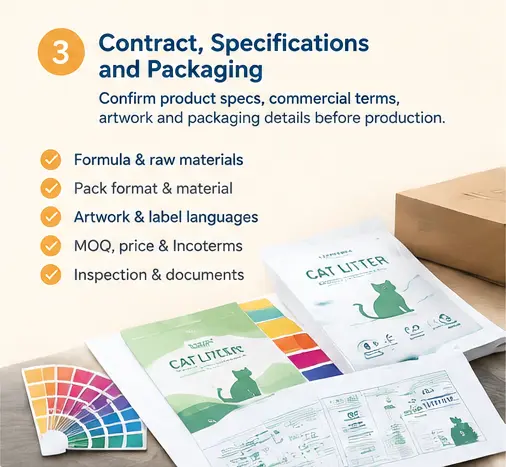
Once the sample is approved, record the product and commercial terms in the purchase order and its supporting specification schedule. Confirm the formula, pack size, packaging material, quantity, unit price, MOQ, Incoterms, payment milestones, inspection arrangements, and responsibilities for any required export or destination-market documents. The agreement should also define how specification changes, rejected goods, and production delays will be handled.
Specifications and packaging approvals to document
- Approved formula, raw-material requirements, and permitted substitutions.
- Net fill weight or volume, bag dimensions, material structure, and seal requirements.
- Product acceptance criteria and the agreed inspection method.
- Approved artwork revision, label languages, barcode, net quantity, and other destination-specific label fields.
- Storage conditions and any substantiated shelf-life requirements.
- Responsibility for the SDS, certificate of origin, test reports, and other documents where applicable.
- Packaging MOQ, printing setup costs, proof approval, and responsibility for reprints caused by artwork or production errors.
Why packaging can delay the first order
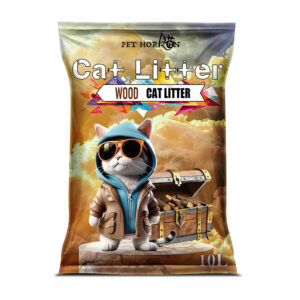
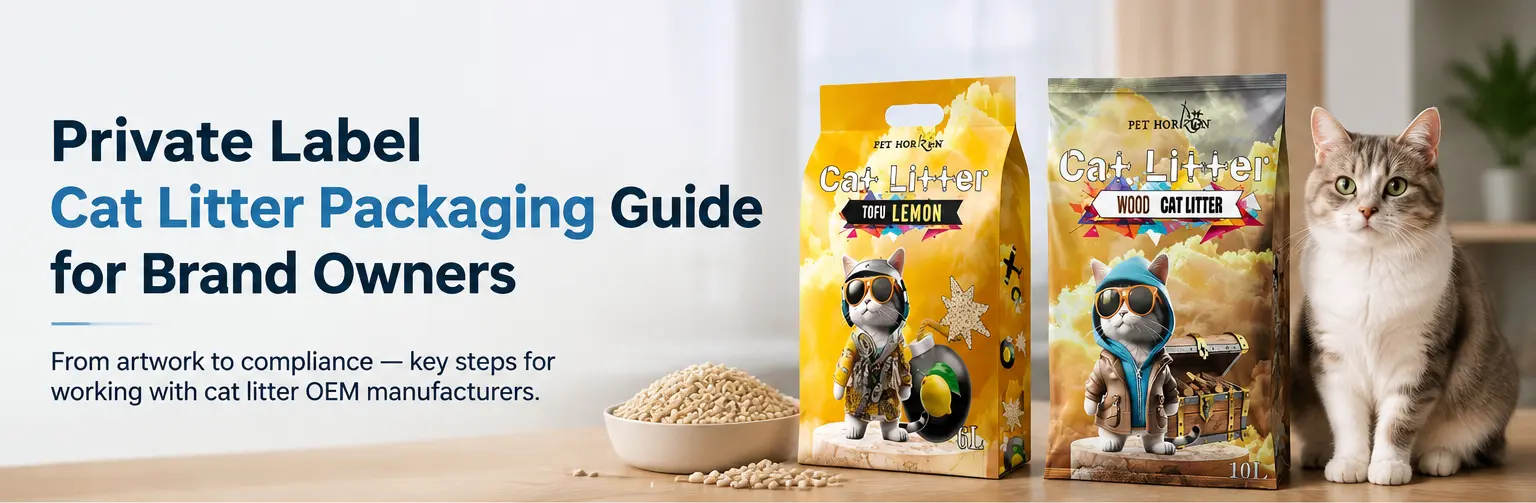
Custom printed bags and pouches introduce a separate supplier and approval schedule. A product sample can pass while packaging artwork, print proofs, or packaging production remain incomplete. Start preparing artwork during sampling, but release it for printing only after the buyer has approved the content and technical specifications. For material selection, bag formats, and label planning, see our private label cat litter packaging guide.
Before mass production, verify the approved artwork against the actual packaging format. Check the printed text, barcode readability, net quantity, sealing performance, and any required market-specific information. A design approved on screen is not a substitute for checking a physical print proof or filled-package sample where appropriate.
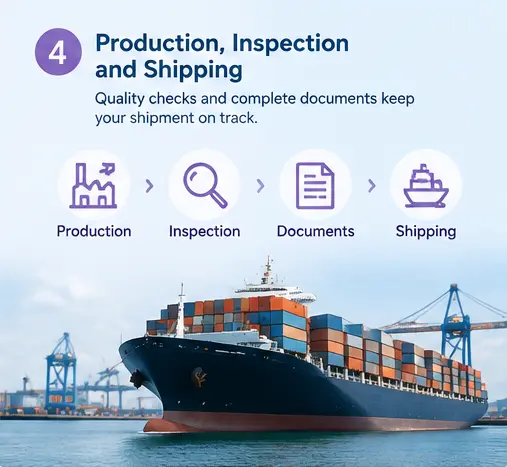
Phase 4: Production, Inspection, and Shipping
Production should start only after the product specification, commercial terms, and required packaging approvals are confirmed. Agree on the inspection scope before production so both parties know what will be checked, when samples will be taken, and what happens if the goods do not meet the specification.
Inspection options
- During-production inspection: useful when a new formula, packaging format, or long production run creates additional risk.
- Pre-shipment inspection: verifies selected product, packaging, quantity, and workmanship requirements before dispatch.
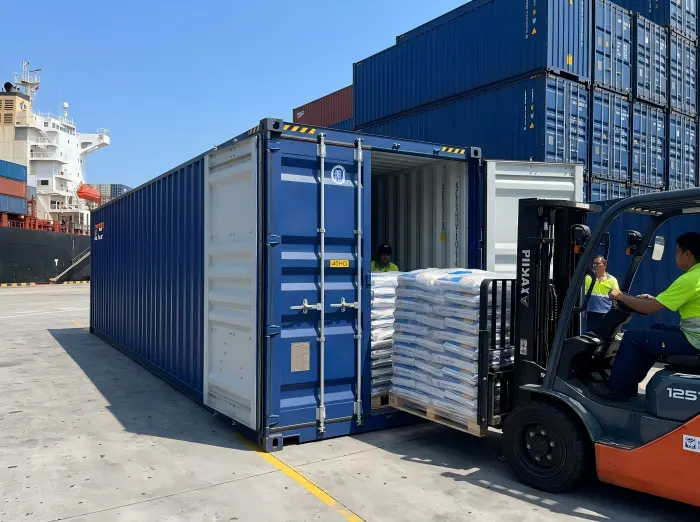
- Loading supervision: checks the shipment quantity, packing condition, container condition, and loading records where required.
Documents to confirm early
- Commercial invoice and packing list, with consistent product descriptions, quantities, and weights.
- Bill of lading or other applicable transport document.
- Safety data sheet or other product safety documentation, where required by the product and destination.
- Certificate of origin or preferential-origin documentation, if required for customs clearance, a tariff preference, or the buyer’s instructions.
- Any additional declarations, test reports, or import documents confirmed with the buyer’s customs broker or freight forwarder.
Ask the supplier to assign a launch contact and maintain a dated milestone plan, approved specification and artwork revisions, inspection records, and a destination-specific document checklist. This makes delivery progress traceable and helps the next order follow the same process.
Phase 5: Arrival, Inventory Review, and First Reorder
When the shipment arrives, check the delivered goods against the approved specification, packing configuration, and agreed inspection criteria. Record any damage, shortage, packaging defect, or product-quality issue promptly and follow the claims procedure in the purchase agreement. Once the goods are accepted, track sell-through, inventory coverage, and replenishment needs rather than setting the reorder date from the original launch calendar alone.
Make the first order a reusable launch file
Keep the approved sample, product specification, artwork revision, inspection results, shipping documents, and actual milestone dates in one launch file. Before reordering, check whether the formula, packaging, order quantity, or destination requirements have changed. Pet Horizon can use this record as a baseline for repeat quotations and production planning, while confirming current material availability, packaging stock, and factory capacity before committing to a new delivery date.
Key Takeaway: Build the launch schedule around confirmed approvals and dependencies, not a single promised delivery date. Finalize product acceptance criteria early, prepare packaging artwork during sampling, and verify destination-document requirements before production is complete. Track factory readiness, shipment departure, and warehouse arrival as separate milestones.
For replenishment planning, track average weekly sales, remaining sellable inventory, expected transit time, and the time needed for the next production run. Set the reorder point according to demand and supply variability rather than copying the first order’s delivery date. This is particularly important when a brand uses custom printed packaging or sells several litter formulas with different stock turnover rates.
Common Timeline Risks and How to Plan Around Them
| Risk | Where it appears | Mitigation |
|---|---|---|
| Late packaging artwork | Phase 3 | Start artwork in parallel with sampling |
| Unclear acceptance criteria | Phase 2 | Write the numeric spec before sample approval |
| Document gaps at shipping | Phase 4 | List destination documents at the RFQ stage |
| Freight booking or cut-off changes | Phase 4 | Confirm booking status, cargo cut-off, document cut-off, and contingency options with the forwarder. |
| Payment milestone mismatch | Phase 3 | Agree deposits and balances in writing |
Conclusion
A successful private label cat litter launch depends on more than fast production. Buyers need an approved product specification, packaging that is ready on time, clear inspection criteria, and export documents matched to the destination market. These controls help reduce avoidable delays on the first order and make repeat purchasing easier to plan. To align product requirements, packaging, order quantity, and delivery expectations before requesting a project-specific quotation, review our cat litter manufacturing process.
When contacting our team, include your target litter type, pack size, estimated order quantity, destination market, and preferred launch date to help us assess your project requirements.
Frequently Asked Questions
A straightforward private label cat litter launch may be planned around an initial 10–16 week window, but this is not a guaranteed delivery period. Sample revisions, custom packaging, order volume, freight transit, customs clearance, and warehouse receiving can change the schedule. Confirm factory lead time, estimated shipment date, and expected warehouse arrival separately with your supplier and logistics provider.
Include product type and base material, target pack size, estimated volume, destination market, required certificates or audits, and preferred Incoterms. A complete RFQ returns a comparable quote and a realistic lead time on the first attempt.
Yes. Pair the purchase order with a product specification schedule that records formula, pack, acceptance criteria, MOQ, price, Incoterms, and payment milestones. Verbal agreement on any of these is the most common source of later disputes.
Start artwork in parallel with sampling. Custom printed bags and pouches frequently take longer than production, so beginning early prevents the line from waiting on printed packaging at the last moment.
Common shipping documents include a commercial invoice, packing list, and bill of lading or other applicable transport document. A safety data sheet, certificate of origin, preferential-origin proof, or additional declarations may also be needed depending on the product, destination, customs procedure, and buyer’s requirements. Confirm the exact document set with your customs broker before shipment rather than assuming every document is mandatory for every market.
A repeat order can be faster when the formula, packaging artwork, and acceptance criteria remain unchanged and the required materials are available. However, production capacity, order quantity, custom packaging availability, and shipping schedules can still affect lead time. Confirm the revised schedule with the manufacturer rather than assuming every reorder will ship sooner.
Responsibility depends on the destination market and the applicable regulations. The importer or brand owner should confirm the required label content before artwork approval, while the manufacturer should provide accurate product specifications and supporting information. Both parties should agree in writing who prepares, reviews, and approves the final artwork, without treating that agreement as a substitute for legal compliance.
Pre-shipment inspection can help verify product quality, packaging, quantity, and visible defects against the agreed purchase specification. The buyer and supplier should define the inspection method, sampling plan, acceptance criteria, and any link to payment release in writing. For a new formula or custom packaging run, additional in-process checks may also be useful.