




يشترك جميع مربي القطط في مصدر إحباط واحد: إذ يفيض السوق بأصناف لا حصر لها من رمل القطط، مما يجعل اختيار النوع الأمثل الذي يلبي احتياجاتهم أمراً عسيراً. ومع تفاوت الأسعار ما بين بضعة دولارات وصولاً إلى الخيارات الفاخرة، يواجه الكثيرون صعوبة في كيفية اختيار رمل القطط والتي تُقدّم أداءً جيدًا بالفعل. أما المصطلحات التسويقية فهي مُربكة للغاية - "مواد خام مستوردة"، "تحكم طويل الأمد في الروائح"، "غير لاصق وخالٍ من الغبار" - مما يُربك مُربي القطط الجدد ويجعلهم في حيرة من أمرهم ولا يعرفون من أين يبدأون. يتبع الكثيرون الموضة ويشترون المنتجات الشائعة أو باهظة الثمن، على أمل العثور على أفضل رمل للقطط.ليكتشف فقط مشكلاتٍ مثل سوء التحكم في روائح فضلات القطط، أو كثرة الغبار، أو ضعف التكتّل.
سيساعدك هذا الدليل في العثور على أفضل أنواع رمل القطط بناءً على معايير السلامة والأداء والاختبارات الواقعية.
بصفتنا بائعين لرمل القطط، ولنا باعٌ طويل في مجال مستلزمات الحيوانات الأليفة، نتلقى يوميًا استشارات من أصحاب القطط، وشهدنا الكثيرين يقعون في فخّ اختيار الرمل المناسب لعدم معرفتهم كيفية الاختيار. اليوم، وبالتعاون مع مصانعنا الشريكة، نكشف لكم عن المنطق وراء اختيار رمل القطط عالي الجودة من منظور علمي وتثقيفي. لا شعارات براقة، بل سنوات من الخبرة في البحث والتطوير، وبيانات اختبارات فعلية، ونصائح عملية مستقاة من تجارب آلاف مُلّاك القطط. هدفنا مساعدتكم على تجاوز كل الحيل التسويقية واختيار رمل عالي الجودة يحافظ على سلامة قطتكم ويمنحكم راحة البال، ويضمن بقاء مكانها نظيفًا ومنعشًا.
ما الذي يجعل رمل القطط الأفضل؟
لنبدأ بحقيقةٍ لا جدال فيها: اختيار رمل القطط ليس مسألة "كلما كان أغلى كان أفضل"، وليست العلامة التجارية الرائجة بالضرورة هي الأنسب. يؤكد فريق البحث والتطوير لدينا مرارًا وتكرارًا أن جوهر رمل القطط عالي الجودة هو "مراعاة عادات القطط الفسيولوجية مع تحقيق التوازن بين العملية والسلامة". معظم الميزات التسويقية البراقة ليست سوى حيل لمصلحة العلامة التجارية، وهي عديمة الجدوى - أو حتى قد تكون ضارة - للقطة.
بحسب بيانات من اختبارات مشتركة أجرتها شركات تصنيع رمل القطط ومجالس حماية المستهلك في أربع مناطق، يعاني ما يقارب 60% من أنواع رمل القطط المتوفرة حاليًا في السوق من مشاكل مثل تراكم الغبار، وعدم تكتل الرمل، وضعف التحكم في الروائح. هذه المشاكل هي الأسباب الرئيسية لرفض القطط استخدام صندوق الرمل، ولبقاء الروائح الكريهة عالقة في المنزل. والأمر الأكثر إثارة للقلق هو احتواء بعض أنواع الرمل الرديئة على مكونات ضارة، وقد يؤدي استخدامها لفترات طويلة إلى الإضرار بصحة الجهاز التنفسي والهضمي للقطط.
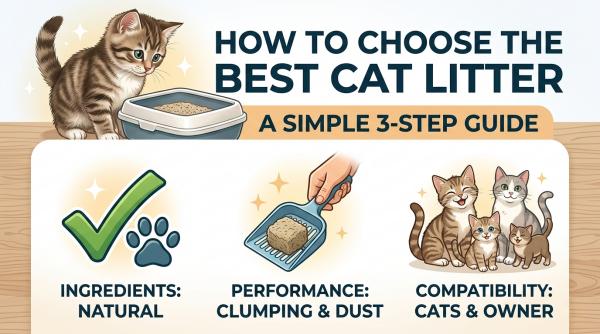
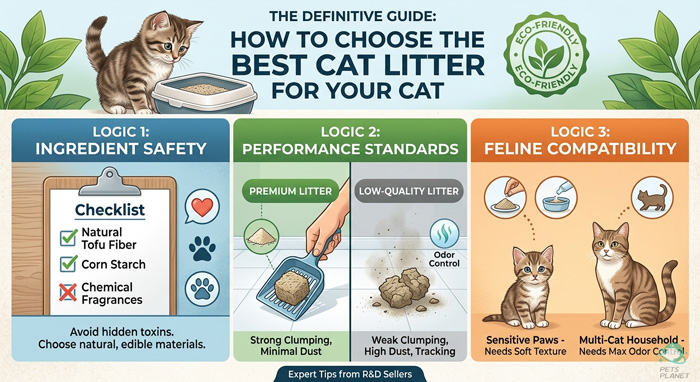
المصنّعون ثلاثة مبادئ أساسية عند إنتاج أي نوع من الرمل عالي الجودة، وهي نفسها معايير اختيارنا: سلامة المكونات، ومعايير الأداء، وملاءمته للقطط. سنشرح اليوم هذه المبادئ الثلاثة بالتفصيل، بالإضافة إلى تفاصيل اختبارات الإنتاج، لنعلمك كيفية الاختيار باحترافية، حتى لو كنتَ مربي قطط مبتدئًا.
المنطق الأول: المواد الخام الآمنة هي الأساس.
اختبار الشركة المصنعة: المنتجات الخالية من الإضافات فقط هي التي توفر راحة البال الحقيقية
تُعد المواد الخام الآمنة أساس اختيار رمل القطط الآمن، خاصة عند البحث عن رمل قطط طبيعي موثوق به للاستخدام طويل الأمد.
رمل القطط عنصرٌ تتفاعل معه قطتك يوميًا. فعندما تستخدم صندوق الرمل، تحفر بمخالبها، مما يجعل من المحتم أن يلتصق الرمل بوسائد مخالبها أو حتى أن تبتلعه بكميات صغيرة أثناء تنظيف نفسها. لذلك، تُعد سلامة المكونات أولوية قصوى، وهي الخطوة التي يوليها المصنّعون أهمية قصوى.
لا يدرك العديد من المالكين الجدد أن الشركات المصنعة المعتمدة لديها معايير صارمة لفحص المواد الخام. تخضع كل دفعة لفحص دقيق، وأي مادة لا تستوفي المعايير لا تُستخدم مطلقًا. ووفقًا لمواصفات التصنيع، يجب أن تستوفي المكونات عالية الجودة ثلاثة شروط: أن تكون طبيعية، وغير سامة/خالية من الإضافات الضارة، وخالية من العفن.
Высококачественные материалы, как правило, делятся на две категории:
- مواد نباتية طبيعية: تشمل هذه المواد ألياف فول الصويا، ونشا الذرة، ونشا الكسافا. وهي آمنة وغير سامة؛ حتى لو تناولت قطة كمية صغيرة منها عن طريق الخطأ، فإنها تمر عبر الجهاز الهضمي دون أي ضرر.
- المواد المعدنية الطبيعية: تتكون هذه المواد بشكل أساسي من البنتونيت عالي النقاء. بعد التنقية وإزالة الغبار، يصبح ملمسها ناعماً، وتتقبلها القطط بشكل كبير، كما أن امتصاصها للماء ممتاز.
تُظهر بيانات الاختبارات أن رمل القطط عالي الجودة يجب أن يلتزم بمعايير مثل GB/T 43839-2024 (المتطلبات الفنية للسلامة لمستلزمات الحيوانات الأليفة)، حيث يجب التحكم في المعادن الثقيلة مثل الزرنيخ والرصاص، بالإضافة إلى محتوى الفورمالديهايد، ضمن الحدود الآمنة. وقد صادفنا سابقًا رملًا رديء الجودة مصنوعًا من نفايات مُعاد تدويرها باستخدام غراء صناعي ومبيض؛ وأظهرت الاختبارات أن محتوى الفورمالديهايد فيه كان ثلاثة أضعاف الحد المسموح به. إن الاستخدام طويل الأمد لمثل هذا الرمل لا يُسبب تهيجًا في الجهاز التنفسي للقطط فحسب، بل قد يؤدي أيضًا إلى حساسية جلدية واضطرابات معوية.
كيف يمكن للمبتدئين التأكد من سلامة المكونات؟ إليكم نصيحتان بسيطتان مبنيتان على أساليب اختبار المصانع:
- تحقق من قائمة المكونات: العبوة الأصلية ستوضح المكونات بوضوح، مثل "ألياف فول الصويا، نشا الذرة" أو "بنتونيت طبيعي عالي النقاء". ولن تستخدم مصطلحات مبهمة مثل "مواد مركبة" أو "مكونات أخرى"، وبالتأكيد لن تتضمن "غراء صناعي" أو "مواد حافظة" أو "عطور اصطناعية". إذا كانت القائمة مبهمة أو مفقودة، فتجنب المنتج.
- اختبار الرائحة: يجب أن تحتوي فضلات القطط عالية الجودة على رائحة طبيعية خفيفة لمكوناتها فقط - كرائحة الفاصولياء في فضلات التوفو، أو رائحة الصنوبر في فضلات الخشب، أو الرائحة الترابية الطبيعية للبنتونيت. يجب ألا تكون هناك رائحة كيميائية نفاذة أو رائحة عطور اصطناعية. إذا فتحت الكيس وشممت رائحة قوية أو رائحة كيميائية حادة، فمن المحتمل أنها تخفي مكونات رديئة.
المنطق الثاني: معايير الأداء هي الأساس.
الشركات المصنعة تشرح بالتفصيل 3 مؤشرات رئيسية
إذا كانت السلامة هي المعيار الأساسي، فإن الأداء هو الوظيفة الجوهرية. تتمثل وظيفة صندوق فضلات القطط في امتصاص البول، وتغليف البراز، والحد من الروائح. ويعتمد ذلك على: قلة الغبار، وقوة الامتصاص، وسهولة التكتل.
المؤشر 1: انخفاض مستوى الغبار - حماية الجهاز التنفسي
يُعدّ الغبار "القاتل الخفي" في العديد من المنتجات. لذا، يُعدّ اختيار رمل للقطط قليل الغبار ، أو حتى رمل قطط خالٍ من الغبار أمراً ضرورياً لحماية صحة الجهاز التنفسي لقطتك.
حاسة الشم لدى القطط أقوى بأربعين مرة من حاسة الشم لدى الإنسان، وجهازها التنفسي هش. يمكن للغبار الناعم غير المرئي أن يدخل تجويف الأنف والرئتين، مسبباً التهاب الأنف المزمن، أو التهاب الشعب الهوائية، أو الربو مع مرور الوقت، وخاصةً لدى القطط الصغيرة، أو القطط المسنة، أو القطط الحساسة.
معايير المصنع: يجب أن يكون محتوى الغبار في فضلات القطط عالية الجودة أقل من 0.20% وأن يكون معدل التفتت (الغبار) ≤1.20%.
- اختبار الزجاجة: املأ زجاجة بلاستيكية شفافة حتى منتصفها بالرمل، ورجها بقوة لمدة 10 ثوانٍ، ثم اتركها لمدة 30 ثانية. إذا كانت جدران الزجاجة مغطاة بطبقة سميكة من الغبار، فلا تستخدمها.
- اختبار اليد: افرك حفنة من فضلات القطط في راحة يدك لمدة 30 ثانية. إذا كانت راحة يدك مغطاة بغبار رمادي أو شعرت بأنها "موحلة"، فإن مستوى الغبار مرتفع للغاية.
المؤشر 2: امتصاص قوي - تثبيت سريع ومضاد للالتصاق
يُحدد معدل الامتصاص مدى صعوبة التنظيف والرائحة. فإذا كان بطيئًا، يبقى البول على السطح، ملتصقًا بأقدام الحيوانات الأليفة ومنتشرًا في أرجاء المنزل. أما إذا كان غير مكتمل، يتسرب البول إلى القاع، مُشكلاً رواسب لزجة يصعب كشطها وتُصبح بيئة خصبة لتكاثر البكتيريا.
معايير المصنع: يجب أن يكون معدل الامتصاص ≥90.0%، مع حبس السائل في غضون 3-5 ثوانٍ، بسعة 3-5 أضعاف وزنه ..
- اختبار منزلي بسيط: اسكب 10 مل من الماء في وعاء صغير من رمل القطط. إذا تم امتصاصه في غضون 5 ثوانٍ دون أن يصل السائل إلى القاع، فهو مناسب.
المؤشر 3: سهولة التكتل - متماسك وغير قابل للكسر
سهولة التكتل ميزة رئيسية لـ القويعالي الجودة ، خاصةً إذا كنت تبحث عن أفضل رمل قطط متكتل للتنظيف اليومي. يشكّل الرمل عالي الجودة كتلةً متماسكةً لا تتفتت عند جمعها، مما يمنع تلوث الرمل النظيف ويقلل من جهد التنظيف.
معايير المصنع: يجب أن تكون قوة تكتل رمل التوفو ≥75.0%، بينما تصل قوة تكتل الرمل الهجين أو البنتونيت غالبًا إلى 90%+. إذا تفتت الرمل عند لمسه بالمغرفة، فسيتسبب ذلك في انتشار الروائح الكريهة واتساخ صندوق الرمل.
عند مقارنة أنواع مختلفة من رمل القطط، مثل البنتونيت والتوفو والتركيبات المختلطة، فإن أفضل رمل للقطط هو الذي يوازن بين انخفاض الغبار والتكتل القوي والتحكم الفعال في الرائحة.
المنطق الثالث: التوافق مع القطط هو المفتاح.
وجهة نظر الشركة المصنعة: الخيار الأفضل هو الخيار الذي يناسب القطة
يقع العديد من مُلّاك القطط الجدد في فخّ الاعتقاد بأنّ رمل القطط، طالما أنه يحتوي على مكونات آمنة ويلبي معايير الأداء، فهو بالضرورة مناسب لقطتهم. هذا ليس صحيحًا دائمًا. يتطلب اختيار الرمل المناسب مراعاة عمر القطة وحالتها الصحية وعاداتها اليومية. في النهاية، القطة هي المُستفيدة النهائية؛ لذا يجب أن يكون الرمل عالي الجودة هو ما تُفضّله القطة وتتأقلم معه، وهو عامل أساسي تُراعيه شركات تصنيع رمل القطط خلال مراحل البحث والتطوير.
تُظهر بيانات استطلاعات الشركات المصنعة أن احتياجات القطط تختلف باختلاف أعمارها وبنيتها الجسدية. فعلى سبيل المثال، تتميز القطط الصغيرة والقطط المسنة بأقدام حساسة وجهاز تنفسي دقيق، لذا يُنصح باستخدام أنواع الرمل النباتي قليلة الغبار وذات الملمس الناعم، مثل رمل التوفو أو الكسافا. يتميز هذا النوع من الرمل بجزيئات دقيقة لا تُسبب خدوشًا للأقدام الحساسة أو تهيجًا للجهاز التنفسي. علاوة على ذلك، ولأن مكوناته طبيعية وآمنة، فإن المخاطر ضئيلة حتى في حال ابتلاع قطة صغيرة كمية صغيرة منه عن طريق الخطأ.
في المقابل، القطط البالغة، وخاصةً تلك التي تعيش في منازل تضم أكثر من قطة، كمية أكبر من الفضلات. لذا، يُناسبها استخدام رمل البنتونيت أو الرمل الهجين (المختلط) الذي يتميز بقدرة امتصاص عالية وتكتل قوي. يُمكن لهذا النوع من الرمل حبس البول والروائح بسرعة، مما يجعل عملية التنظيف أكثر فعالية بالنسبة للمالك.
علاوة على ذلك، تتمتع القطط بحاسة شمٍّ فائقة الحساسية، ولديها تفضيلاتٌ متباينةٌ فيما يتعلق بالروائح. فبعض القطط تستمتع بالرائحة الطبيعية الخفيفة لرمل القطط المصنوع من النباتات، بينما يفضل البعض الآخر رائحة البنتونيت المعدنية. وتنفر العديد من القطط من الرمل الذي يحتوي على عطور اصطناعية، ما قد يدفعها إلى رفض صندوق الرمل تمامًا وقضاء حاجتها في مكان آخر من المنزل.
لذا، بالإضافة إلى السلامة والأداء، يجب مراعاة تفضيلات قطتك. إذا كنت تشتري رملًا للقطط لأول مرة، ففكر في شراء عينات صغيرة من أنواع مختلفة. راقب ردة فعل قطتك: إذا كانت تحفر بشكل طبيعي، وتستخدم صندوق الرمل دون تردد، ولا تهز مخالبها بشكل مفرط بعد ذلك، فهذا الرمل مناسب لها. أما إذا بدأت قطتك بالعطس، أو فرك عينيها، أو تجنب صندوق الرمل، فهذه علامة على أن الرمل غير مناسب ويجب تغييره.
يؤكد خبراء البحث والتطوير في مصانعنا الشريكة على ضرورة أن يتوافق رمل القطط عالي الجودة مع طبيعة القطط. عندها فقط يمكن ضمان راحة القطة، وراحة صاحبها، وبيئة نظيفة ومنعشة في المنزل.
تحذير من الشركة المصنعة: لا تشترِ هذه الأنواع الثلاثة من رمل القطط (مهما كان سعرها رخيصاً).
استنادًا إلى خبرة الاختبارات الصناعية والملاحظة طويلة الأمد، حددنا ثلاثة أنواع من فضلات القطط التي يجب تجنبها تمامًا لحماية صحة قطتك وتوفير أموالك:
- رمل القطط بمكونات مجهولة أو بدون تقارير مخبرية: يُصنع هذا النوع غالبًا في ورش صغيرة غير خاضعة للرقابة، دون أي اختبارات جودة. قد تكون المواد الخام عبارة عن نفايات مُعاد تدويرها أو مواد متعفنة، وغالبًا ما تُضاف إليها مواد كيميائية ضارة. الاستخدام طويل الأمد قد يُلحق ضررًا بالغًا بصحة قطتك، ويُسبب رائحة كريهة في منزلك، ويُملأه بالغبار.
- فضلات القطط ذات الغبار الكثيف أو الروائح النفاذة: يشير هذا إما إلى رداءة جودة المواد الخام أو إلى عملية تصنيع بدائية. تُهيّج مستويات الغبار العالية الجهاز التنفسي، مما يؤدي إلى العطس والسعال. أما الروائح النفاذة - والتي عادةً ما تكون ناتجة عن عطور اصطناعية أو مواد كيميائية - فتُسبب انزعاجًا للقطط وقد تؤدي إلى نفورها من صندوق الفضلات.
- رمل ذو امتصاص ضعيف أو متكتل بشكل غير متماسك: يُعدّ استخدام هذا النوع من الرمل كابوسًا. فهو يلتصق بقاع الصندوق ويتفتت عند تنظيفه. لا يقتصر الأمر على هدر الرمل فحسب، بل يسمح أيضًا بانتشار الروائح الكريهة بسرعة ويُحوّل مكان القطة إلى فوضى عارمة. علاوة على ذلك، تُصبح هذه القطع الرطبة غير المُجمّعة بيئة مثالية لتكاثر البكتيريا.
خلاصة القول: اختيار رمل القطط عالي الجودة ليس بالأمر المعقد.
في الواقع، لطالما كان منطق اختيار رمل القطط الممتاز واضحًا: سلامة المكونات، ومعايير الأداء، وملاءمته للقطط. هذه الركائز الثلاث هي المبادئ الأساسية للمصنعين والخبرة العملية التي اكتسبناها كبائعين على مر السنين.
يُعاني العديد من مُلّاك القطط ليس بسبب تعقيد المنطق، بل لأنهم يقعون ضحيةً لحيل التسويق ويغفلون عن حقيقة رمل القطط. فهو ضرورة يومية للقطط، وهدفه الأساسي تلبية احتياجاتها الفسيولوجية، والحفاظ على صحتها، وتخفيف عبء التنظيف على المُلّاك. هذا هو الهدف الأصلي لكل فريق بحث وتطوير، وهو المبدأ الذي نلتزم به كبائعين.
على مدار سنوات خبرتنا في هذا المجال، شهدنا حالات عديدة تسببت فيها أنواع الرمل غير المناسبة في أمراض القطط أو إجهاد أصحابها، وحالات أخرى مماثلة استعادت فيها القطط صحتها وعادت الحياة إلى المنزل بعد تغيير نوع الرمل إلى النوع المناسب. نؤمن إيمانًا راسخًا بأن رمل القطط الجيد لا يحتاج إلى إعلانات براقة أو سعر باهظ. طالما أنه يفي بالمبادئ الأساسية الثلاثة، فهو خيار عالي الجودة يستحق ثقتكم.
نأمل أن يُساعد هذا الدليل كل مُربي قطط على فهم المنطق الكامن وراء اختيار رمل القطط، وتجنب "المزالق"، وإيجاد الخيار الأمثل لحيوانه الأليف. نتمنى أن تنمو جميع القطط بصحة وسعادة، وأن يجد كل مُربي قطط البهجة والراحة في صحبتها، في منزل نظيف ومنعش ودافئ دائمًا.
إذا كنت تبحث عنخيار موثوق لأفضل رمل للقطط، فاختر المنتجات التي تتميز بانخفاض نسبة الغبار، والمكونات الطبيعية، وقدرتها العالية على التكتل للاستخدام اليومي. عند اختيار رمل القطط، لا تتبع التيار أو تنجذب إلى الأسعار المرتفعة. ركّز على المواد، ونسبة الغبار، وقدرته على الامتصاص، وقدرته على التكتل، والأهم من ذلك، راقب قطتك. هذه هي الطريقة الأمثل والأكثر صدقًا لاختيار أفضل رمل للقطط.
الأسئلة الشائعة
لماذا يعتبر رمل القطط قليل الغبار مهماً؟
يُعدّ الجهاز التنفسي للقطط شديد الحساسية. لذا، يُساعد استخدام رمل القطط قليل الغبار أو الخالي منه على الوقاية من التهاب الأنف المزمن والتهاب الشعب الهوائية والربو لدى القطط. كما يُحافظ على نظافة المنزل ويحمي صحة الجهاز التنفسي للقطط أثناء تنظيف الرمل يوميًا.
أي نوع من رمل القطط يتميز بأفضل قدرة على التحكم في الروائح؟
للحصول على تحكم فائق في رائحة رمل القطط، ابحث عن منتجات ذات معدلات امتصاص عالية تحبس الرطوبة خلال 3-5 ثوانٍ. غالبًا ما تكون المواد الطبيعية مثل البنتونيت أو رمل التوفو عالي الجودة الخالي من العطور الاصطناعية هي الأكثر فعالية.
كيف يمكنني معرفة ما إذا كان رمل القطط رديء الجودة؟
تجنب استخدام رمل القطط الذي يحتوي على غبار زائد، أو روائح كيميائية نفاذة (تُستخدم لإخفاء رداءة المواد)، أو تكتلات غير متماسكة. إذا التصق الرمل بقاع الصندوق أو تفتت عند تنظيفه، فمن المحتمل أنه لا يفي بمعايير الأداء الأساسية.