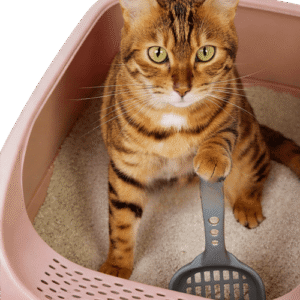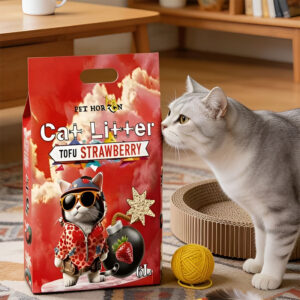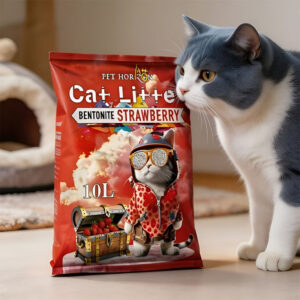





Владельцы кошек сталкиваются с одной и той же проблемой: рынок переполнен бесконечным количеством наполнителей для кошачьих туалетов, что затрудняет выбор лучшего варианта, соответствующего их потребностям. Цены варьируются от нескольких долларов до премиум-класса, и многие люди не знают Как выбрать наполнитель для кошачьего туалета который действительно хорошо справляется со своей задачей. Маркетинговая терминология еще больше усложняет выбор — «импортные материалы», «длительный контроль запаха», «антиприлипающий и пылеотталкивающий» — оставляя начинающих владельцев кошек в замешательстве и не зная, с чего начать. Многие следуют трендам и покупают популярные или дорогие товары, надеясь найти лучший наполнитель, но обнаруживают проблемы, такие как плохой Устранение запаха от кошачьего туалета, чрезмерное количество пыли или слабое комкование.
Это руководство поможет вам выбрать лучший наполнитель для кошачьего туалета , основываясь на его безопасности, эффективности и результатах реальных испытаний.
Как продавцы наполнителей для кошачьих туалетов, глубоко укоренившиеся в индустрии товаров для животных на протяжении многих лет, мы ежедневно получаем консультации от владельцев и видим, как многие попадают в «ловушки», не зная, как сделать правильный выбор. Сегодня, в сотрудничестве с нашими партнерами-производителями, мы раскрываем логику выбора высококачественного наполнителя для кошачьих туалетов с научной и образовательной точки зрения. Никаких броских слоганов — только многолетний опыт производственных исследований и разработок, реальные данные испытаний и практические советы, собранные от тысяч владельцев кошек. Наша цель — помочь вам обойти все уловки и точно выбрать высококачественный наполнитель, который обеспечит безопасность вашей кошки и ваше спокойствие, гарантируя чистоту и свежесть в кошачьем туалете.
Какой наполнитель для кошачьего туалета самый лучший?
Начнём с простой истины: выбор наполнителя для кошачьего туалета никогда не сводится к принципу «чем дороже, тем лучше», и модный бренд не обязательно является правильным выбором. Наша команда разработчиков неоднократно подчёркивает, что суть высококачественного наполнителя для кошачьего туалета заключается в том, чтобы «соответствовать физиологическим привычкам кошки, одновременно обеспечивая баланс между практичностью и безопасностью». Большинство броских маркетинговых приёмов — это всего лишь уловки в интересах бренда, бессмысленные или даже потенциально вредные для кошки.
Согласно данным совместных испытаний, проведенных компаниями-производителями кошачьих наполнителей и потребительскими советами в четырех регионах, почти 60% представленных на рынке кошачьих наполнителей имеют такие проблемы, как чрезмерное пылеобразование, комкование и плохое устранение запаха. Эти проблемы являются основными причинами, по которым кошки отказываются пользоваться лотком и почему запахи сохраняются в доме. Еще более тревожно то, что некоторые некачественные наполнители содержат вредные ингредиенты, и длительное использование может нанести вред дыхательной и желудочно-кишечной системам кошки.
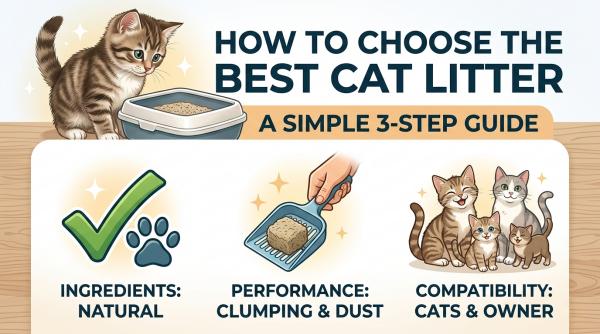
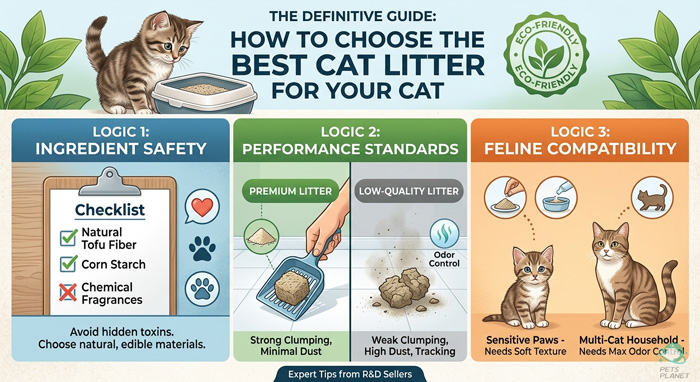
Логика выбора качественного наполнителя для кошачьего туалета довольно проста. Производители придерживаются трех основных принципов при выпуске любого подходящего наполнителя, которые также служат нам критериями отбора: безопасность ингредиентов, стандарты качества и совместимость с кошками. Сегодня мы шаг за шагом разберем эти три принципа, а также рассмотрим подробности производственных испытаний, чтобы научить вас делать выбор как профессионал, даже если вы покупаете наполнитель впервые.
Логика 1: Безопасное сырье – это самое главное
Тест производителя: Только отсутствие добавок гарантирует истинное спокойствие
Безопасные сырьевые материалы — это основа выбора безопасного наполнителя для кошачьего туалетаособенно если вы ищете надежный натуральный кошачий наполнитель для длительного использования.
Наполнитель для кошачьего туалета — это предмет, с которым ваша кошка взаимодействует каждый день. Когда она пользуется лотком, она копает лапами, поэтому наполнитель неизбежно прилипает к подушечкам лап или даже проглатывается в небольших количествах во время вылизывания. Поэтому безопасность ингредиентов является первостепенной задачей, и производители лотков уделяют ей первостепенное внимание.
Многие новые владельцы не понимают, что добросовестные производители придерживаются строгих стандартов отбора сырья. Каждая партия проходит тщательную проверку; любой материал, не соответствующий стандартам, никогда не используется. Согласно производственным спецификациям, высококачественные ингредиенты должны отвечать трем условиям: быть натуральными, нетоксичными/не содержать вредных добавок и не содержать плесени.
تندرج المواد عالية الجودة عموماً ضمن فئتين:
- Натуральные растительные материалы: к ним относятся соевое волокно, кукурузный крахмал и крахмал маниоки. Они безопасны и нетоксичны; даже если кошка случайно съест небольшое количество, оно пройдет через пищеварительный тракт без вреда.
- Природные минеральные материалы: В основном это высокочистый бентонит. После очистки и удаления пыли текстура становится мелкозернистой, кошкам он нравится, а водопоглощение отличное.
Результаты испытаний показывают, что высококачественный наполнитель для кошачьего туалета должен соответствовать таким стандартам, как GB/T 43839-2024 (Технические требования безопасности для товаров для домашних животных), где содержание тяжелых металлов, таких как мышьяк и свинец, а также формальдегида должно контролироваться в пределах безопасных норм. Однажды мы столкнулись с низкокачественным наполнителем, изготовленным из переработанных отходов с использованием промышленного клея и отбеливателя; анализы показали, что содержание формальдегида в нем в три раза превышало допустимый предел. Длительное использование такого наполнителя не только раздражает дыхательные пути кошки, но и может привести к кожным аллергиям и желудочно-кишечным расстройствам.
Как новичку определить, безопасны ли ингредиенты? Вот два простых совета, основанных на методах заводского тестирования:
- Проверьте список ингредиентов: на оригинальной упаковке будут четко указаны такие ингредиенты, как «соевое волокно, кукурузный крахмал» или «высокочистый натуральный бентонит». Там не будут использоваться расплывчатые термины, такие как «композитные материалы» или «другие ингредиенты», и уж точно не будет указано «промышленный клей», «консерванты» или «искусственные ароматизаторы». Если список расплывчатый или отсутствует, избегайте покупки.
- Проверка запахом: Качественный наполнитель для кошачьего туалета должен иметь лишь слабый естественный запах своих ингредиентов — аромат бобов у тофу, сосновый запах у древесины или естественный землистый запах бентонита. Не должно быть резкого химического запаха или запаха искусственных парфюмерных отдушек. Если вы откроете пакет и почувствуете сильный аромат или резкий химический запах, скорее всего, это маскирует некачественный наполнитель.
Логика 2: Стандарты производительности — это основа
Производители анализируют 3 ключевых показателя
Если безопасность является первостепенной задачей, то эффективность — это основная функциональность. Задача наполнителя для кошачьего туалета — впитывать мочу, обволакивать фекалии и уменьшать запах. Это зависит от: низкого пылеобразования, высокой впитываемости и легкого образования комков.
Показатель 1: Низкий уровень пыли — защита дыхательных путей
Пыль — это «скрытый убийца» во многих товарах. Выбор наполнителя для кошачьего туалета с низким содержанием пыли или даже Беспыльный кошачий наполнитель крайне важен для защиты дыхательной системы вашей кошки.
Обоняние кошки в 40 раз чувствительнее, чем у человека, а её дыхательная система очень хрупкая. Невидимая мелкая пыль может проникать в носовую полость и лёгкие, вызывая со временем хронический ринит, бронхит или астму, особенно у котят, пожилых или чувствительных кошек.
Стандарты завода: Высококачественный наполнитель для кошачьего туалета должен иметь содержание пыли ниже 0.20% и степень осыпания (пылеобразования) ≤1.20%.
- Тест с бутылкой: Наполните прозрачную пластиковую бутылку наполовину мусором, энергично встряхивайте в течение 10 секунд, затем дайте постоять 30 секунд. Если стенки бутылки покрыты толстым слоем пыли, откажитесь от покупки.
- Проверка рукой: потрите горсть наполнителя для кошачьего туалета на ладони в течение 30 секунд. Если ваша ладонь покрыта серой пылью или кажется «грязной», значит, уровень пыли чрезмерен.
Индикатор 2: Сильное впитывание — быстрое закрепление и предотвращение прилипания
Скорость впитывания определяет сложность уборки и запах. Если она медленная, моча остается на поверхности, прилипает к лапам и распространяется по всему дому. Если же впитывание неполное, моча просачивается на дно, образуя «цементоподобный» осадок, который трудно соскоблить и в котором размножаются бактерии.
Стандарты завода: Степень впитывания должна быть ≥90.0%, жидкость должна удерживаться в течение 3-5 секунд, а емкость должна в 3-5 раз превышать собственный вес ..
- Тест своими руками: налейте 10 мл воды в небольшую емкость с наполнителем для кошачьего туалета. Если вода впитается за 5 секунд, не достигнув дна, значит, тест пройден.
Показатель 3: Легко образует комки — плотный и не ломается
Легкое комкование — ключевая особенность высококачественного к образованию комков, особенно если вы ищете лучший комкующийся наполнитель для ежедневной уборки. Качественный наполнитель образует плотный комок, который не рассыпается при уборке, предотвращая загрязнение чистого наполнителя и упрощая уборку.
Стандарты завода: комкуемость тофу-наполнителя должна составлять ≥75.0%, в то время как гибридные или бентонитовые наполнители часто достигают 90%+. Если он рассыпается при прикосновении совка, это приведет к распространению запахов и загрязнению лотка.
При сравнении различных типов наполнителей для кошачьих туалетов, таких как бентонит, тофу и смешанные формулы, лучшим наполнителем считается тот, который сочетает в себе низкое пылеобразование, сильное комкование и эффективный контроль запаха.
Логика 3: Ключ к успеху — совместимость с кошками
Мнение производителя: Лучший выбор — тот, который подходит кошке
Многие неопытные владельцы попадают в ловушку: они считают, что если наполнитель содержит безопасные ингредиенты и соответствует стандартам качества, то он обязательно подойдет их кошке. Это не всегда так. Выбор подходящего наполнителя также требует учета возраста кошки, ее физического состояния и образа жизни. В конечном итоге, конечной потребителем является кошка; действительно качественный наполнитель должен нравиться кошке и быть для нее удобным — это важный фактор, который производители наполнителей для кошачьих туалетов учитывают в процессе исследований и разработок.
Данные опросов производителей показывают, что потребности кошек разного возраста и телосложения различны. Например, у котят и пожилых кошек нежные подушечки лап и чувствительные дыхательные пути. Им лучше всего подходят мягкие наполнители на растительной основе с низким содержанием пыли, такие как тофу или маниока. Эти наполнители содержат мелкие частицы, которые не царапают нежные лапы и не раздражают дыхательные пути. Более того, поскольку ингредиенты натуральные и безопасные, риск минимален даже в случае случайного проглатывания котенком небольшого количества наполнителя.
Напротив, взрослые кошки, особенно те, которые живут в многокошачьих семьях, производят больше отходов. Им лучше подходят бентонитовые или гибридные (смешанные) наполнители, которые обладают высокой впитываемостью и хорошо комкуются. Такие наполнители быстро удерживают мочу и запахи, что значительно упрощает уборку для владельца.
Кроме того, обоняние кошек чрезвычайно чувствительно, и у них есть четкие предпочтения в отношении запахов. Некоторым кошкам нравится слабый, естественный аромат растительного наполнителя, в то время как другие предпочитают минеральный запах бентонита. Многих кошек отталкивает наполнитель с искусственными ароматизаторами, что может даже привести к тому, что они полностью откажутся от лотка и будут испражняться в другом месте дома.
Поэтому, помимо безопасности и эффективности, необходимо учитывать предпочтения вашей кошки. Если вы покупаете наполнитель для кошачьего туалета впервые, подумайте о приобретении небольших пробных пакетов разных видов. Наблюдайте за реакцией вашей кошки: если она копает естественно, пользуется лотком без колебаний и не трясет лапами после этого, значит, наполнитель ей подходит. Однако, если ваша кошка начинает чихать, тереть глаза или избегать лотка, это признак того, что наполнитель ей не подходит и его нужно заменить.
Специалисты по исследованиям и разработкам на наших партнерских заводах подчеркивают, что высококачественный наполнитель для кошачьего туалета должен соответствовать физиологии кошек. Только тогда он сможет обеспечить комфорт кошки, удобство владельца и чистоту, свежесть в доме.
Предупреждение производителя: Никогда не покупайте эти 3 вида наполнителя для кошачьего туалета (независимо от его цены).
На основе опыта отраслевых испытаний и долгосрочных наблюдений мы выделили три типа наполнителей, которых следует строго избегать, чтобы защитить здоровье вашей кошки и сэкономить деньги:
- Наполнитель для кошачьего туалета с анонимными ингредиентами или без лабораторных заключений: в основном он производится в небольших, нерегулируемых мастерских без какого-либо контроля качества. В качестве сырья могут использоваться переработанные отходы или заплесневелые вещества, часто с добавлением вредных химикатов. Длительное использование может серьезно повредить здоровье кошки и оставить в вашем доме неприятный запах и пыль.
- Наполнитель с чрезмерным количеством пыли или резким запахом: это указывает либо на низкое качество сырья, либо на грубый производственный процесс. Высокий уровень пыли раздражает дыхательные пути, вызывая чихание и кашель. Резкие запахи — обычно от искусственных ароматизаторов или химических веществ — вызывают дискомфорт у кошек и могут привести к отвращению к лотку.
- Наполнитель с плохой впитываемостью или комкующийся: Использование такого наполнителя — настоящий кошмар. Он прилипает ко дну лотка и рассыпается при уборке. Этот наполнитель не только приводит к образованию отходов, но и способствует быстрому распространению запахов, превращая кошачью территорию в беспорядок. Кроме того, эти влажные, неубранные фрагменты легко способствуют размножению бактерий.
В заключение: выбор качественного наполнителя для кошачьего туалета не должен быть сложным.
В действительности, логика выбора высококачественного наполнителя для кошачьего туалета всегда была проста: безопасность ингредиентов, стандарты качества и совместимость с кошками. Эти три столпа являются основными принципами для производителей и практическим опытом, который мы, как продавцы, накопили за эти годы.
Многие владельцы сталкиваются с трудностями не из-за сложности логики, а потому что их вводят в заблуждение маркетинговые уловки, и они упускают из виду, что такое наполнитель для кошачьего туалета на самом деле. Будучи предметом первой необходимости для кошек, его основное назначение — удовлетворение их физиологических потребностей, защита здоровья и снижение нагрузки на уборку со стороны владельца. Это первоначальная цель каждой команды разработчиков, и именно этому принципу мы следуем как продавцы.
За годы работы в отрасли мы видели слишком много случаев, когда неправильный наполнитель вызывал у кошек болезни или стресс у владельцев, — и столько же случаев, когда переход на правильный наполнитель восстанавливал здоровье кошки и снова наполнял дом свежестью. Мы твердо убеждены, что хороший кошачий наполнитель не нуждается в броской рекламе или завышенной цене. Пока он соответствует трем основным принципам, это высококачественный выбор, заслуживающий вашего доверия.
Мы надеемся, что это руководство поможет каждому владельцу кошки понять основную логику использования кошачьего наполнителя, избежать «ловушек» и найти идеальный вариант для своего питомца. Пусть каждая кошка вырастет здоровой и счастливой, и пусть каждый владелец найдет радость и исцеление в общении со своим питомцем в доме, который всегда чист, свеж и полон тепла.
Если вы ищете надежный и качественный наполнитель для кошачьего туалета , выбирайте продукты с низким содержанием пыли, натуральными ингредиентами и высокой способностью к комкованию для ежедневного использования. При выборе наполнителя для кошачьего туалета не следуйте за толпой и не гонитесь за высокими ценами. Обратите внимание на материалы, содержание пыли, впитываемость и способность к комкованию — и, самое главное, понаблюдайте за своей кошкой. Это наиболее практичный и честный подход к выбору лучшего наполнителя для кошачьего туалета.
ЧАСТО ЗАДАВАЕМЫЕ ВОПРОСЫ
Почему важно использовать наполнитель для кошачьего туалета с низким содержанием пыли?
Дыхательная система кошки очень чувствительна. Низкопорошопыльный или беспыльный наполнитель для кошачьего туалета помогает предотвратить хронический ринит, бронхит и астму у кошек. Он также поддерживает чистоту в вашем доме и защищает здоровье дыхательной системы владельца во время ежедневной уборки.
Какой наполнитель для кошачьего туалета лучше всего нейтрализует запах?
Для эффективного устранения запаха кошачьего наполнителя выбирайте продукты с высокой впитывающей способностью, которые удерживают влагу в течение 3-5 секунд. Наиболее эффективными часто оказываются натуральные материалы, такие как бентонит или высококачественный тофу-наполнитель без искусственных ароматизаторов.
Как определить, что кошачий наполнитель низкого качества?
Избегайте наполнителей для кошачьих туалетов, содержащих чрезмерное количество пыли, резкий химический запах (используемый для маскировки некачественных материалов) или образующих комки. Если наполнитель прилипает ко дну лотка или рассыпается при уборке, он, вероятно, не соответствует основным стандартам качества.