

For cat litter importers, the logistics work does not end when a container clears customs. The next challenge is getting bulky inventory into storage, keeping stock available across sales channels, and delivering orders without adding unnecessary handling costs. Whether you distribute to local retailers, supply regional wholesalers, or sell through ecommerce platforms, your warehousing setup affects inventory turnover and reorder planning. For buyers sourcing from overseas manufacturers such as Pet Horizon, these decisions should be considered alongside production and shipping lead times rather than handled only after a container arrives.
The right cat litter warehousing and fulfillment setup depends on how frequently you replenish stock, where your customers are located, and how your orders are shipped. Importers should compare the full cost of self-operated storage, 3PL warehousing, and direct distribution, including receiving, pallet handling, storage, order preparation, and outbound delivery. For heavy or bulky cat litter, warehouse capacity and handling efficiency are just as important as the quoted storage rate.
Why Fulfillment Matters for Imported Cat Litter
Once cat litter clears customs, the buyer is responsible for storage and distribution decisions. Poor coordination between customs clearance, container pickup, and warehouse receiving can lead to port storage charges, demurrage or detention fees, and unnecessary handling. Because cat litter occupies significant cubic space relative to its value, warehouse selection and storage efficiency also affect the cost per unit. Importers should treat fulfillment as part of the total landed cost rather than a separate afterthought.
Warehousing Options for Importers
Imported cat litter can move through several storage and distribution arrangements, depending on order volume, sales channels, and the need to hold local inventory:
- Self-managed warehouse: The importer controls receiving, storage, stock allocation, and outbound orders. This can suit businesses with stable volume and established local distribution operations.
- Third-party logistics (3PL): An external provider handles storage, inventory records, order preparation, and delivery coordination. It is useful when an importer wants local fulfillment without operating its own warehouse.
- Cross-docking or transloading: Imported containers are unloaded and transferred to outbound trucks or trailers with little or no long-term storage. This works best when orders and delivery destinations are arranged in advance.
- Direct delivery to FBA or retail distribution centers: Goods move from the port or an intermediate facility to the designated fulfillment or retail network. This requires coordination with the receiving facility’s booking, labeling, and delivery requirements.
These arrangements can also be combined. For example, an importer may send part of a container directly to a retail distribution center while holding the remaining stock in a 3PL warehouse for later orders. The decision should reflect actual sales volume, delivery frequency, and the cost of keeping inventory close to customers.
Choosing a Cat Litter 3PL Partner
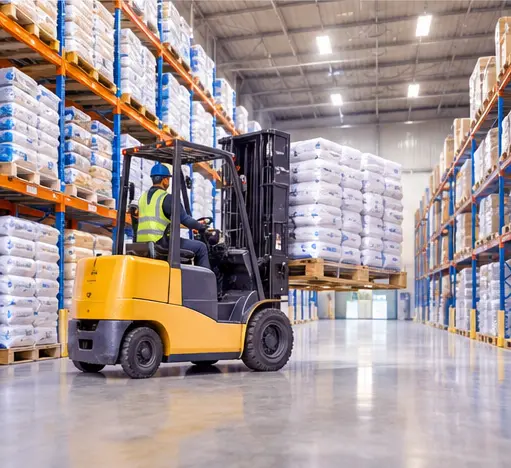
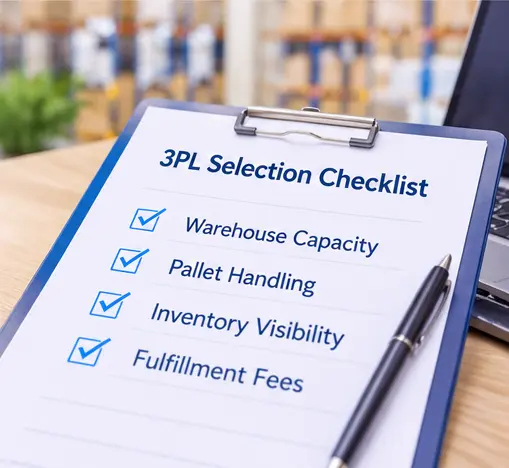
Not every warehouse is equipped to handle cat litter efficiently. Importers should evaluate a 3PL based on the physical characteristics of their products and the way orders are distributed. Bentonite cat litter generally requires closer attention to pallet weight, floor loading, and racking capacity, while the storage volume of tofu cat litter and pine cat litter depends on product density, bag size, and pallet configuration. Ask potential providers how they handle heavy pallets, inspect damaged bags, manage moisture exposure, and prepare both full-pallet and smaller orders. Also compare receiving, storage, pallet handling, picking, and outbound delivery charges rather than relying on the headline storage rate alone. Inventory visibility and lot-level records are important when coordinating repeat orders across multiple shipments.
Understanding Cat Litter Warehousing Costs
A low monthly storage rate does not necessarily mean lower fulfillment costs. Importers should compare the complete fee structure, including container unloading, receiving, pallet storage, inbound and outbound handling, order picking, and delivery. Minimum monthly charges, account management fees, and additional labor for non-standard pallet sizes can also affect the final cost. For cat litter, it is particularly important to distinguish between charges based on pallet positions, weight, cubic volume, and order frequency. Requesting a cost estimate based on an actual shipment and expected monthly orders makes different 3PL proposals easier to compare.
Inventory Buffer and Batch Rotation
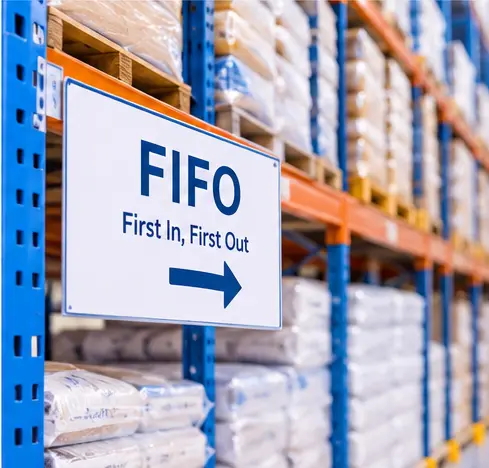
Safety stock should cover expected demand during the full replenishment cycle, including production, export handling, ocean transit, customs clearance, and local delivery. Importers should also allow for delays and changes in sales volume rather than calculating stock levels from average lead time alone. When calculating storage requirements, use actual pallet dimensions, gross weight, stacking limits, and expected stock levels rather than relying on product type alone. Keep purchase orders, receiving dates, and lot information linked to inventory records so older stock can be dispatched first and any quality or packaging issue can be traced back to the relevant shipment. A consistent first-in, first-out (FIFO) process helps maintain orderly stock rotation.
Integrating Fulfillment with the Import Plan
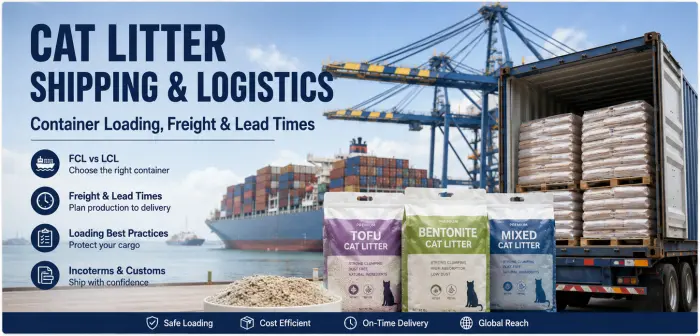
Warehouse arrangements should be confirmed before an imported cat litter shipment reaches the destination port. Importers need to coordinate customs clearance, container pickup, unloading appointments, available warehouse space, and onward transportation. If a warehouse cannot receive the container on the planned date, additional port or container-related charges may apply. Replenishment planning should also account for the time needed to move stock from the port into local distribution. Our cat litter import guide explains the broader import process, while the cat litter shipping and logistics guide covers shipment coordination and transportation considerations.
Conclusion
For cat litter importers, warehousing is not simply a place to hold incoming containers. It determines how efficiently imported stock can be allocated, picked, and delivered as customer orders come in. A business supplying full pallets to distributors may need a different setup from one handling smaller ecommerce orders or multiple retail destinations. Before committing to a warehouse or 3PL contract, compare the complete handling cost, available capacity, and delivery coverage against your actual sales and replenishment pattern. Coordinating these decisions with your overseas supplier helps keep inventory moving without tying up unnecessary space and working capital.
Frequently Asked Questions
A 3PL suits importers without their own storage or those with variable volume, while self-warehousing gives more control for steady, high-volume operations. Compare fixed storage fees against labor, equipment, and opportunity cost before deciding.
Review receiving and devanning fees, monthly storage rates per pallet or cubic foot, pick-and-pack costs, inbound and outbound handling, and minimum commitment. Also confirm inventory reporting, batch tracking, and notice periods for rate changes.
Space requirements depend on the number of pallets or cartons, packaging dimensions, stacking limits, and the warehouse’s storage layout. Palletized shipments need room for pallet positions, access aisles, and handling equipment, while floor-loaded cartons require sufficient unloading and staging space. Importers should provide their 3PL with the packing list, carton or bag dimensions, pallet configuration, and expected inventory holding period to obtain a realistic space estimate.
Use a first-in-first-out method keyed to arrival date or lot code, and keep receiving records that link each batch to its purchase order. Regular cycle counts help confirm that older stock moves before newer arrivals.
Costs rise from long port dwell time, double handling, low inventory turnover, and inefficient racking for bulky goods. Poor demand forecasting that leads to both stockouts and overstock compounds the expense.
Imported cat litter can sometimes be delivered to an Amazon fulfillment center without long-term storage at an intermediate warehouse. However, the shipment must meet the destination center’s current receiving, appointment, labeling, packaging, and transportation requirements. Importers should also confirm that their carrier can handle container unloading or transloading as needed. When direct delivery is not practical, a 3PL can receive, prepare, and forward inventory to the designated fulfillment center.
Reorder timing depends on how quickly inventory is sold and how long it takes to replenish stock from the overseas manufacturer to the local warehouse. Importers should include production, shipping, customs clearance, warehouse receiving, and order preparation in their replenishment calculations. Limited storage capacity may also require smaller, more frequent shipments or earlier warehouse reservations. Reviewing stock levels and sales velocity regularly helps buyers place repeat orders before available inventory becomes insufficient.