




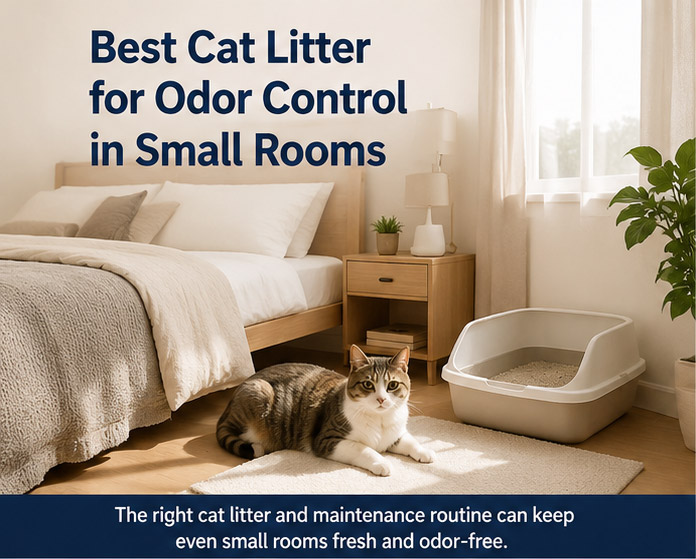
После многолетнего тщательного изучения рынка кошачьего наполнителя я пришел к выводу, что наиболее типичной средой обитания для владельцев кошек являются небольшие закрытые помещения, характерные для городских квартир. В таких комнатах часто отсутствует сквозная вентиляция, циркуляция воздуха ограничена, а свободного места очень мало. В комнате, где есть только кровать и лоток, и люди, и кошки проводят много времени вместе.
Многие владельцы кошек регулярно чистят лоток, но в комнате по-прежнему витает стойкий затхлый запах. В закрытой спальне запах мочи, накопившейся за ночь, в сочетании с застрявшей влагой может быть особенно неприятен. Большинство людей полагают, что запах исходит от некачественного наполнителя, и продолжают искать лучший наполнитель для кошачьего туалета, способный устранить запах, но в итоге остаются разочарованными результатами.
На самом деле, чтобы в помещении всегда было свежо, недостаточно просто покупать более дорогой наполнитель. Это зависит от совокупности таких факторов, как выбор наполнителя, расположение лотка, контроль влажности и привычки по ежедневному уходу. Многие бренды рекламируют свои премиальные дезодорирующие формулы, упуская из виду практические факторы, которые гораздо сильнее влияют на устранение запахов в небольших помещениях.
На протяжении многих лет я собирал отзывы тысяч владельцев кошек, которые держат своих питомцев в спальнях и квартирах. Основываясь на этом опыте, я составил простое и практичное руководство по дезодорированию, разработанное специально для закрытых помещений.
Почему запахи быстрее накапливаются в небольших закрытых помещениях
Чтобы полностью избавиться от неприятных запахов, сначала нужно понять, откуда они берутся.
В просторном, хорошо проветриваемом помещении слабые запахи рассеиваются естественным образом. Однако в закрытом помещении воздухообмен ограничен, и молекулы запаха задерживаются внутри.
Кошачьи экскременты выделяют аммиак, влажный наполнитель на дне лотка может приобретать затхлый запах, а искусственные ароматизаторы, добавляемые в некоторые виды наполнителей, могут создавать химический запах. Все это вместе и составляет тот стойкий запах, который многие люди ощущают в спальнях и небольших квартирах.
Многие владельцы кошек уделяют внимание только удалению видимых экскрементов и комков мочи, упуская из виду скопление влаги под наполнителем. В закрытом помещении остатки мочи, частицы наполнителя, разносимые по полу, и пыль из воздуха могут оседать на постельном белье, коврах и в углах. Со временем это приводит к появлению стойких запахов, которые сохраняются даже тогда, когда лоток выглядит чистым.
Важную роль играет и влажность. В закрытых помещениях бактерии активно размножаются во влажных уголках и постоянно разлагают органические остатки, выделяя в воздух слабые запахи. Эти запахи зачастую трудно различить по отдельности, но в совокупности они создают тот самый “кошачий запах”, с которым сталкиваются многие владельцы.
Опытные владельцы кошек часто приходят к выводу, что контроль влажности важнее, чем поиск средств с более сильным дезодорирующим эффектом. Правильный уход, как правило, имеет большее значение, чем выбор новейшего наполнителя для туалета, представленного на рынке.
Если вы до сих пор не уверены, какие характеристики наполнителя для туалета имеют наибольшее значение, ознакомьтесь с нашим руководством по Как выбрать подходящий наполнитель для кошачьего туалета, чтобы в доме не было неприятных запахов более подробно объясняет основные факторы.
Три вида наполнителей для кошачьих туалетов, которых следует избегать в закрытом помещении
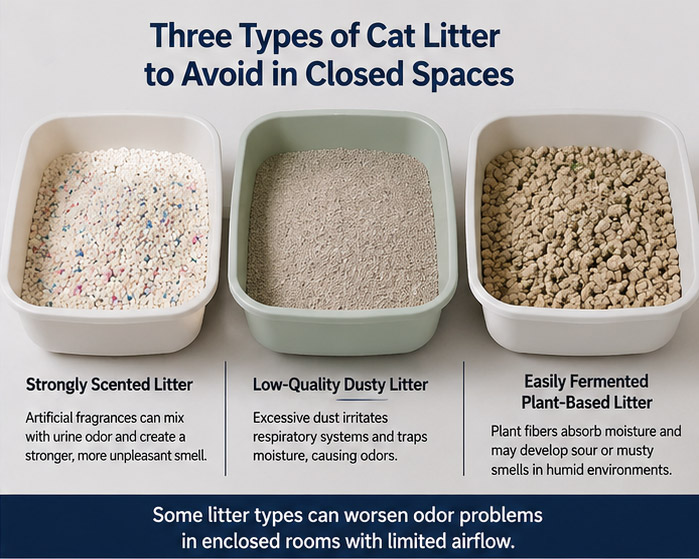
Если вы выберете неподходящий наполнитель, даже частая уборка может не решить проблему. Судя по результатам многолетних испытаний и отзывам пользователей, вот три типа наполнителей, которые, как правило, плохо себя показывают в закрытых помещениях.
1. Наполнители для кошачьих туалетов с сильным ароматом
Наборы с ароматами персика, чая с молоком, молока, цветов или насыщенных древесных нот часто содержат большое количество искусственных ароматизаторов.
В просторном, хорошо проветриваемом доме эти средства могут быть вполне приемлемы. Однако в закрытой спальне аромат задерживается в помещении. Смешиваясь с запахом мочи, он часто создает более сильный и раздражающий запах.
Длительное воздействие сильных ароматизаторов также может вызывать чихание, слезотечение или дискомфорт у чувствительных кошек. Во многих случаях сильные ароматизаторы используются не для устранения исходной проблемы с запахом, а для маскировки низкокачественного сырья.
2. Легко разлагаемые навозные смеси растительного происхождения
Наполнитель из чистого тофу и сосновая подстилка изготавливаются из натуральных материалов и, как правило, считаются мягкими и экологически безопасными. Однако растительные волокна легко впитывают влагу и могут оставаться влажными в течение длительного времени.
В плохо проветриваемых помещениях растительный наполнитель может размякнуть и приобрести кислый или затхлый запах уже через несколько дней. Если этот запах впитается в постельное белье или мебель, его может быть трудно полностью устранить.
Для спален с высокой влажностью или небольших квартир использование исключительно растительного наполнителя не всегда может быть оптимальным решением.
3. Некачественный пыльный наполнитель для кошачьего туалета
Недорогая бентонитовая подстилка и низкокачественные глиняные изделия часто содержат слишком много пыли.
В закрытом помещении пыль дольше остается в воздухе и может вызывать раздражение как у людей, так и у кошек. Кроме того, она может впитывать влагу и образовывать липкие отложения на дне лотка, создавая идеальные условия для размножения бактерий.
Выбор наполнителя для кошачьего туалета с низким уровнем пылеобразования может значительно улучшить как качество воздуха, так и чистоту в туалете.
Лучшие варианты наполнителей для кошачьих туалетов, помогающие устранить запах в небольших помещениях
В помещениях с ограниченной вентиляцией и длительным пребыванием людей эти виды наполнителей неизменно демонстрируют наилучшие результаты.
1. Кристаллический наполнитель для туалета кошек
Наполнитель «Кристалл» использует адсорбционные свойства силикагеля для поглощения влаги и запахов.
Он практически не пылит, не бродит и отличается высокой устойчивостью к появлению неприятных запахов. Благодаря эффективной регулировке влажности он остается одним из самых надежных вариантов для владельцев, которые ищут лучший наполнитель для кошачьего туалета, способный устранять запахи в небольших помещениях.
Хотя некоторых беспокоит текстура наполнителя, большинство взрослых кошек удивительно быстро привыкают к кристаллическому наполнителю.
2. Усовершенствованный бентонитовый наполнитель для кошачьего туалета с низким содержанием пыли
Высококачественный бентонитовый наполнитель, прошедший очистку и обработку для снижения пылеобразования, отличается превосходной способностью к комкованию и эффективным подавлением запахов.
В отличие от продуктов более низкого качества, рафинированный бентонит реже вызывает образование избыточной пыли или появление неприятных запахов на дне лотка.
Для кошек, предпочитающих натуральную песообразную текстуру, это по-прежнему один из самых практичных вариантов.
3. Неароматизированный наполнитель для кошачьего туалета из крупнозернистого тофу
Если вы предпочитаете наполнитель из тофу, выбирайте натуральный вариант без отдушек с крупными и твердыми гранулами.
Наполнитель с крупными гранулами реже рассыпается, дольше сохраняет свою структуру и лучше подходит для влажных помещений. Он особенно подходит для котят, кошек с чувствительным пищеварением и кошек, которые не любят наполнители на минеральной основе.
При использовании на необходимой глубине это может помочь уменьшить скопление влаги и свести к минимуму неприятные запахи.
Владельцы кошек, которые ищут надежный высококачественный наполнитель для кошачьего туалета из тофу могут обнаружить, что смеси с более крупными зернами демонстрируют лучшие характеристики в закрытых жилых помещениях.
Метод использования двухслойного наполнителя для более эффективного устранения запахов
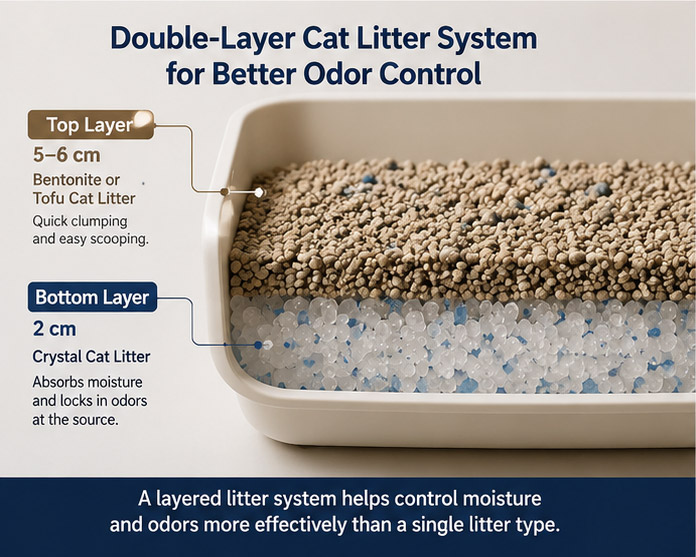
Если вы хотите найти оптимальный баланс между комфортом, чистотой и устранением запахов, многослойная система наполнителя может оказаться чрезвычайно эффективной.
Многие опытные владельцы, проживающие в квартирах, используют этот метод в рамках своей повседневной процедуры по устранению запаха кошачьего туалета в квартире.
Начните с того, что выложите на дно лотка слой кристаллического наполнителя толщиной 2 см. Кристаллический наполнитель помогает впитывать лишнюю влагу и не дает моче просочиться на дно лотка.
Сверху добавьте 5–6 см бентонита или неароматизированного наполнителя для туалета на основе тофу. Этот слой обеспечивает текстуру, которую предпочитают кошки, и облегчает ежедневную уборку.
Верхний слой обеспечивает удаление отходов, а нижний — контроль влажности и запаха. Вместе они создают более стабильные условия, чем при использовании одного вида наполнителя.
По сравнению со многими дорогостоящими готовыми смесями этот простой способ зачастую оказывается более доступным и эффективным.
Советы по размещению лотков для кошек в небольших квартирах
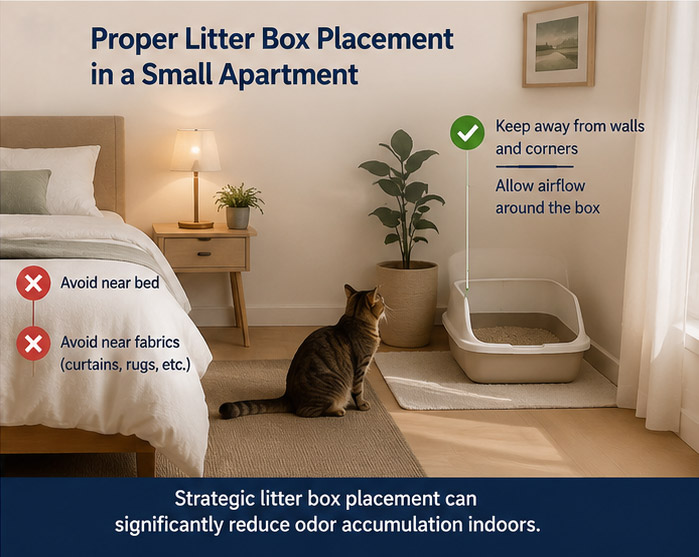
Даже самый лучший наполнитель может оказаться неэффективным, если лоток установлен в неподходящем месте.
Не ставьте лоток для кошачьего туалета рядом с кроватью
Чем ближе кошачий туалет находится к месту, где вы спите, тем сильнее ощущаются запахи и пыль. Постельное белье также легко впитывает запахи, из-за чего полностью избавиться от них бывает сложно.
Не ставьте коробку непосредственно у стены
Стены, как правило, задерживают влагу и ограничивают циркуляцию воздуха.
Если оставить вокруг лотка не менее 10 сантиметров свободного пространства, это обеспечит лучшую циркуляцию воздуха и снизит накопление влаги.
Держите лоток для кошачьего туалета подальше от тканей
Шторы, ковры, тканевые контейнеры для хранения и мягкая мебель удивительно быстро впитывают запахи.
По возможности ставьте лоток на твердый пол в открытом углу комнаты.
Как избавиться от запаха кошачьего туалета с помощью ежедневного ухода
Выбор подходящего наполнителя — это лишь часть решения. Ежедневные привычки играют не менее важную роль в борьбе с неприятными запахами.
Убирайте мусор чаще
В закрытых помещениях отходы быстро начинают издавать неприятный запах.
По возможности, убирайте отходы каждые несколько часов в течение дня и обязательно удаляйте их перед сном. Если не оставлять отходы на ночь, это может дать заметный результат.
Регулярно добавляйте и обновляйте подстилку
Каждые несколько дней добавляйте свежий наполнитель, чтобы поддерживать его толщину и впитывающую способность.
Раз в неделю аккуратно разрыхляйте нижние слои, чтобы улучшить циркуляцию воздуха и уменьшить скопление влаги.
Ежемесячно тщательно очищайте лоток для кошачьего туалета
Каждые 30 дней полностью опорожняйте лоток и тщательно промывайте его горячей водой.
Многие стойкие запахи возникают из-за остатков, которые прилипают к внутренним поверхностям лотка, а не к самому наполнителю.
Регулирование влажности в помещении
Влажность часто является скрытой причиной появления неприятных запахов в закрытых помещениях.
В дождливый сезон или в периоды повышенной влажности использование осушителя воздуха может значительно улучшить качество воздуха и уменьшить появление неприятных запахов.
Вывод: простота — залог отсутствия неприятных запахов в помещении
Многие люди считают, что жизнь с кошкой в небольшой комнате автоматически означает наличие неприятных запахов. На самом деле при правильном подходе вполне можно создать пространство, свободное от запахов.
Вместо того чтобы постоянно менять продукты или гоняться за широко рекламируемыми дезодорирующими средствами, сосредоточьтесь на основных моментах: выбирайте подходящий наполнитель, следите за влажностью, правильно размещайте лоток и соблюдайте постоянный график уборки.
Как профессиональный производитель наполнителей для кошачьих туалетов, мы пришли к выводу, что эффективное устранение запахов зависит от сочетания качественных характеристик продукта и повседневных привычек ухода.
Множество владельцев кошек, проживающих в однокомнатных квартирах и небольших домах, уже убедились в том, что простые, надежные и нетребовательные в уходе решения зачастую оказываются эффективнее дорогих приспособлений. Понимая особенности ограниченного пространства и внеся несколько практичных изменений, вы и ваша кошка сможете наслаждаться более чистым, свежим и уютным домом.
ЧАСТО ЗАДАВАЕМЫЕ ВОПРОСЫ
Какой наполнитель для кошачьего туалета лучше всего подходит для устранения запаха в небольшом помещении?
Кристаллический наполнитель, усовершенствованный бентонитовый наполнитель с низким содержанием пыли, а также крупнозернистый неароматизированный наполнитель из тофу — одни из самых эффективных средств для устранения запахов в закрытых помещениях.
Почему в моей комнате по-прежнему пахнет, даже после того как я почистил лоток?
Неприятные запахи могут возникать из-за влаги, скопившейся на дне лотка, остатков на стенках лотка, повышенной влажности или запахов, впитавшихся в ковры и постельное белье.
Можно ли использовать наполнитель для кошачьего туалета из тофу в условиях влажного климата?
Да, но крупнозернистый неароматизированный наполнитель из тофу, как правило, показывает лучшие результаты, чем более мягкие разновидности, поскольку он лучше противостоит влаге и разрушению.
Где лучше всего поставить лоток для кошки в небольшой квартире?
Выберите место на твердом полу с хорошей вентиляцией, вдали от кроватей, мягкой мебели и углов, где обычно скапливается влага.