
Введение
За последнее десятилетие мировой рынок наполнителей для кошачьих туалетов демонстрирует устойчивый рост, обусловленный увеличением числа владельцев домашних животных, тенденциями к созданию высококачественных средств по уходу за питомцами и растущим потребительским спросом на удобные и высокоэффективные наполнители для кошачьих туалетов.
Сегодня наполнитель для кошачьих туалетов перестал быть просто товаром для домашних животных. Потребители активно ищут продукты, которые обеспечивают более эффективный контроль запаха, лучшее комкование, меньшее количество пыли и изготовлены из экологически чистых материалов. В результате такие категории, как тофу-наполнитель, бентонитовый наполнитель, смываемый наполнитель и другие премиальные решения, продолжают наращивать свою долю рынка в Северной Америке, Европе и на развивающихся рынках.
Для предпринимателей, дистрибьюторов, оптовиков, розничных продавцов и продавцов в сфере электронной коммерции наполнитель для кошачьих туалетов представляет собой привлекательную возможность для бизнеса благодаря регулярному циклу покупок и растущему мировому спросу.
Однако, прежде чем запускать бренд или расширять ассортимент продукции, необходимо принять одно важное решение:
Что выбрать: наполнитель для кошачьего туалета от производителя или под собственной торговой маркой?
Обе модели производства позволяют предприятиям продавать наполнитель для кошачьих туалетов под собственной торговой маркой, но они существенно различаются с точки зрения персонализации продукции, формы собственности, требований к инвестициям, сроков выполнения заказов и потенциала долгосрочного роста.
Правильный выбор модели может повлиять на все аспекты, от стартовых затрат и дифференциации продукта до прибыльности и конкурентоспособности бренда.
В этом руководстве мы подробно сравним производство кошачьего наполнителя под собственной торговой маркой и под чужой торговой маркой, помогая вам понять преимущества, ограничения и идеальные области применения каждого подхода, чтобы вы могли принять обоснованное бизнес-решение.
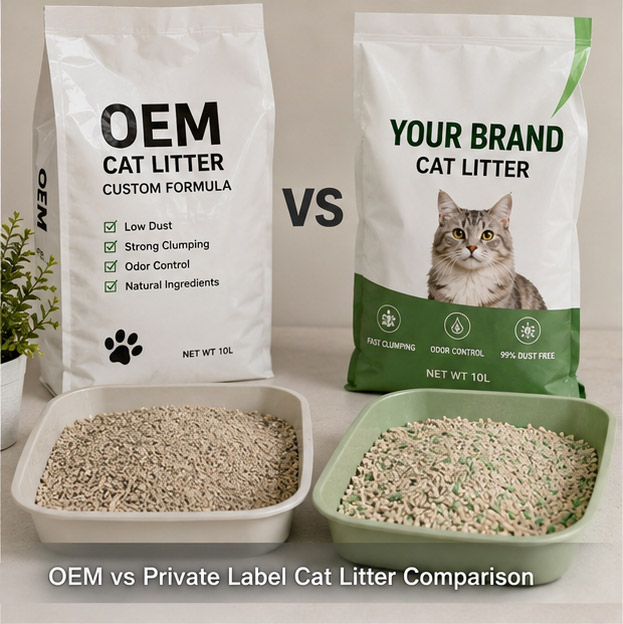
Сравнение наполнителей для кошачьих туалетов от производителей оригинального оборудования и под собственной торговой маркой: краткое сравнение.
Прежде чем перейти к подробностям, в таблице ниже приведены основные различия между двумя моделями.
| Фактор | Наполнитель для кошачьего туалета от производителя | Наполнитель для кошачьего туалета под собственной торговой маркой |
|---|---|---|
| Владение формулой | Собственный бренд | Принадлежащий заводу |
| Индивидуальная настройка продукта | Высокий | Ограниченный |
| Персонализация упаковки | Полный | Базовый |
| Минимальный объем заказа | Выше | Ниже |
| Время разработки | Длиннее | Коротче |
| Первоначальные инвестиции | Выше | Ниже |
| Дифференциация рынка | Сильный | Ограниченный |
| Интеллектуальная собственность | Собственный бренд | Принадлежащий заводу |
| Подходит для | Известные бренды | Стартапы и тестирование рынка |
| Потенциал прибыли | Более высокий долгосрочный | Умеренный |
Хотя производство продукции под собственной торговой маркой (Private Label) обеспечивает более быстрый и менее рискованный выход на рынок, производство продукции по заказу (OEM) предоставляет больше возможностей для дифференциации бренда и долгосрочной прибыльности.
Что такое Наполнитель для кошачьего туалета от производителя?
OEM расшифровывается как Original Equipment Manufacturer (производитель оригинального оборудования).
В индустрии наполнителей для кошачьих туалетов OEM-производство — это модель производства, при которой бренд разрабатывает или определяет характеристики продукта, а завод производит его в соответствии с требованиями бренда.
В рамках партнерства с OEM-производителем бренд имеет значительный контроль над продуктом и может настраивать практически каждый аспект конечного решения.
К таким элементам могут относиться:
- выбор сырья
- Формульный состав
- Размер частиц
- Варианты ароматов
- стандарты контроля пыли
- Способность к комкованию
- Дизайн упаковки
- Технические характеристики изделия
- стандарты качества
Проще говоря:
Бренд разрабатывает концепцию продукта, а производитель воплощает её в жизнь.
Например, бренду может потребоваться:
- Бентонитовый наполнитель для кошачьего туалета с ультранизким уровнем пыли
- Наполнитель для кошачьего туалета из тофу с ароматом лаванды
- Смываемый кошачий наполнитель для премиум-сегмента
- Экологически чистые формулы на растительной основе
- Индивидуальный размер частиц для длинношерстных кошек
Затем производитель разрабатывает и выпускает продукцию в соответствии с этими требованиями.
В результате готовый продукт становится уникальным для данного бренда.
Преимущества оригинального наполнителя для кошачьего туалета.
Полная индивидуальная настройка продукта
OEM-производство позволяет брендам создавать действительно уникальные продукты.
Вместо того чтобы продавать одну и ту же формулу, используемую множеством конкурентов, компании могут разрабатывать эксклюзивные функции и характеристики, адаптированные под потребности целевых клиентов.
Примеры включают:
- Формулы с более сильным образованием комков
- Улучшенный контроль запахов
- Более низкое содержание пыли
- Ароматы на заказ
- Высококачественные экологически чистые ингредиенты
Такая гибкость особенно ценна на рынках с высокой конкуренцией.
Эксклюзивное право собственности на продукт
Одним из главных преимуществ OEM-производства является право собственности.
Бренд владеет:
- Технические характеристики изделия
- Пользовательские формулы
- дизайн упаковки
- Позиционирование продукта
В большинстве случаев производители не имеют законного права поставлять один и тот же продукт, изготовленный на заказ, конкурирующим брендам.
Это создает значительное конкурентное преимущество и способствует формированию долгосрочной рыночной дифференциации.
Более сильная идентичность бренда
Потребители все чаще отдают предпочтение брендам, предлагающим уникальные преимущества.
Продукция OEM позволяет компаниям создавать более сильный фирменный стиль за счет:
- Уникальные особенности продукта
- Индивидуальная упаковка
- Эксклюзивные преимущества продажи
- Более высокая воспринимаемая ценность
Это часто приводит к повышению лояльности клиентов и усилению ценовой политики.
Более высокий потенциал долгосрочной прибыли
Хотя продукция OEM-производителей обычно требует больших первоначальных инвестиций, со временем она часто приносит более высокую прибыль.
Бренды могут избегать прямой ценовой конкуренции и сосредоточиться на предоставлении клиентам уникальной ценности.
В результате многие успешные бренды товаров для животных со временем переходят от продукции под собственной торговой маркой к OEM-решениям по мере роста своего бизнеса.
Что такое Наполнитель для кошачьего туалета под собственной торговой маркой?
Производство наполнителей для кошачьих туалетов под собственной торговой маркой (Private Label) — это модель, при которой фабрика уже имеет готовую продукцию, а бренд просто добавляет свой собственный логотип и упаковку.
В отличие от OEM-производства, бренд не разрабатывает уникальную формулу.
Вместо этого компания выбирает существующие товары из каталога производителя и продает их под собственной торговой маркой.
Эта модель стала чрезвычайно популярной среди стартапов и начинающих продавцов, поскольку она снижает как сложность, так и финансовые риски.
В рамках программ продажи под собственной торговой маркой обычно доступны следующие товары:
- Наполнитель для кошачьего туалета из тофу
- Бентонитовый наполнитель для кошачьего туалета
- Наполнители для кошачьих туалетов смешанного типа
- Смываемый наполнитель для кошачьего туалета
- Беспыльный наполнитель для кошачьего туалета
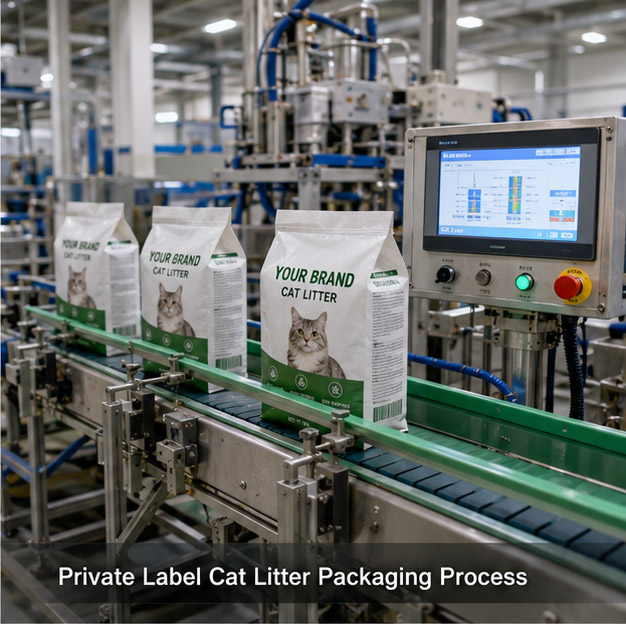
Завод занимается разработкой, тестированием и производством продукции, в то время как бренд фокусируется на маркетинге и продажах.
Преимущества наполнителей для кошачьих туалетов под собственной торговой маркой
Более быстрый выход на рынок
Одним из наиболее существенных преимуществ производства продукции под собственной торговой маркой является скорость.
Поскольку продукт уже существует, компании могут запустить его гораздо быстрее.
Во многих случаях:
- Выбор товара занимает всего несколько дней.
- Процесс утверждения упаковки занимает несколько дней.
- Производство и отгрузка могут начаться немедленно.
Это позволяет брендам быстро выходить на рынок и извлекать выгоду из новых тенденций.
Снижение первоначальных затрат
Возможность выпуска продукции под собственной торговой маркой позволяет сократить многие расходы, связанные с разработкой продукции.
Предприятия, как правило, избегают:
- затраты на разработку формулы
- расходы на тестирование продукции
- затраты на разработку пресс-формы
- инвестиции в НИОКР
Это значительно снижает финансовый барьер для входа на рынок.
Меньшие минимальные объемы заказа
Многие производители предлагают более низкие минимальные требования к объему заказа для программ производства продукции под собственной торговой маркой.
Это облегчает:
- Тестирование спроса
- Проверьте соответствие продукта рынку.
- Запуск новых продуктовых линеек
- Управление рисками, связанными с запасами.
Для новых предприятий снижение требований к минимальному объему заказа может значительно уменьшить операционные риски.
Упрощенное управление цепочкой поставок
Поскольку завод уже производит и тестирует продукцию, продавцы могут сосредоточиться на следующем:
- Брендинг
- Маркетинг
- Привлечение клиентов
- Распределение
Эта простота делает производство под собственной торговой маркой привлекательным вариантом для предпринимателей, впервые выходящих на рынок товаров для домашних животных.
OEM-производство против частной торговой марки: персонализация продукта
При сравнении OEM-решений и решений под собственной торговой маркой наиболее важным фактором часто является возможность индивидуальной настройки.
Благодаря OEM-производству бренды могут персонализировать практически каждый аспект своей продукции.
Примеры включают:
- Формульный состав
- Способность к комкованию
- Уровень запыленности
- Ароматические профили
- Форма частиц
- Цветовые вариации
- Упаковочные материалы
- Технические характеристики изделия
Такая гибкость позволяет брендам разрабатывать продукты, которые максимально соответствуют предпочтениям клиентов.
В отличие от этого, персонализация под собственной торговой маркой, как правило, ограничивается следующим:
- Логотипы брендов
- Названия продуктов
- Графика упаковки
- Маркетинговый текст
Как правило, базовый продукт остается неизменным.
Для компаний, стремящихся занять уникальную рыночную позицию, OEM-производство предлагает значительное преимущество.
OEM-производство против продукции под собственной торговой маркой: дифференциация товаров
Одной из самых больших проблем в индустрии наполнителей для кошачьих туалетов является гомогенизация продукции.
На рынке представлено множество продуктов со схожими формулами и характеристиками.
Благодаря OEM-производству предприятия могут создавать дифференцированные продукты, основанные на конкретных потребностях клиентов.
Например:
- Высококачественный малопыльный наполнитель для квартир
- Высокоэффективные средства для устранения запахов в домах, где содержится несколько кошек.
- Экологически чистые товары для потребителей, заботящихся об окружающей среде.
- Специальный наполнитель для кошачьего туалета, предназначенный для котят или пожилых кошек.
Эти уникальные особенности помогают брендам выделиться среди конкурентов.
Однако продукция под собственной торговой маркой часто изготавливается по одним и тем же заводским рецептурам, используемым несколькими брендами.
В результате, дифференциация в основном ограничивается упаковкой и брендингом.
При сравнении товаров потребителями решающим фактором часто становится цена.
Это может оказать существенное давление на рентабельность.
Наполнитель для кошачьих туалетов под собственной торговой маркой и OEM: структура затрат
Стоимость зачастую является одним из наиболее важных факторов при выборе производственной модели.
Однако предприятиям следует оценивать как краткосрочные, так и долгосрочные затраты.
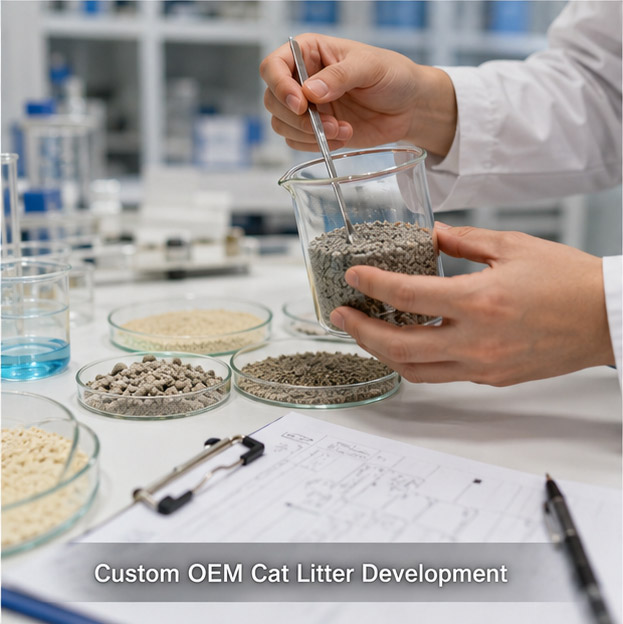
Производство по OEM-заказам обычно включает в себя:
- расходы на разработку продукта
- Тестирование формулы
- Индивидуальная упаковка
- затраты на организацию производства
- Более высокие минимальные объемы заказа
Первоначальные инвестиции будут больше, но в результате продукт может обеспечить более высокую рентабельность и большую ценность бренда.
Для производства продукции под собственной торговой маркой обычно требуется:
- затраты на разработку дизайна упаковки
- Расходы на маркировку
- Первоначальные закупки товарных запасов
Поскольку продукт уже существует, первоначальные затраты существенно ниже.
Для компаний с ограниченным бюджетом создание собственной торговой марки часто является самым быстрым путем к выходу на рынок.
OEM-производство против производства под собственной торговой маркой: минимальный объем заказа, интеллектуальная собственность и рентабельность
OEM-производство и производство под собственной торговой маркой: минимальный объем заказа и сроки выполнения заказа.
Минимальный объем заказа (MOQ) и сроки выполнения производственного заказа могут существенно повлиять на управление запасами, денежный поток и бизнес-риски.
Эти факторы особенно важны для стартапов и развивающихся брендов.
Минимальный объем заказа и сроки поставки наполнителя для кошачьих туалетов от производителя (OEM).
Для проектов по производству кошачьих наполнителей обычно требуется:
- Разработка рецептур
- Тестирование продукта
- Утверждение образца
- Индивидуальная упаковка
- Настройка производственной линии
Поскольку производитель должен выделять ресурсы специально для вашей продукции, OEM-проекты обычно требуют больших объемов производства.
В зависимости от продукта и уровня индивидуализации, требования к минимальному объему заказа могут варьироваться от нескольких тысяч до десятков тысяч пакетов.
Сроки выполнения заказов также увеличились.
Типичный проект OEM-производителя может потребовать:
- 7–15 дней на разработку образца
- На внесение изменений и утверждение требуется 7–15 дней
- Срок производства: 10–20 дней
Весь процесс обычно занимает от 20 до 45 дней.
Для продукции, изготавливаемой по индивидуальным заказам, циклы разработки могут быть еще дольше.
Минимальный объем заказа и сроки выполнения заказа для продукции под собственной торговой маркой.
Продукция под собственной торговой маркой уже разработана и готова к производству.
Как результат:
- Разработка формулы не требуется.
- Обширные испытания не требуются
- Производственные линии уже оптимизированы
Многие производители предлагают значительно более низкие минимальные требования к объему заказа для программ производства продукции под собственной торговой маркой.
Это позволяет предприятиям:
- Тестирование новых рынков
- Быстрый запуск
- Снизьте давление на складские запасы
- Минимизация финансовых рисков
Во многих случаях подготовка и отправка продукции могут быть осуществлены в течение 3–7 дней после утверждения упаковки.
Для продавцов, впервые выходящих на рынок, такая скорость может стать существенным преимуществом.
OEM-производство против производства под собственной торговой маркой: интеллектуальная собственность и права собственности на продукцию.
Многие новые предприятия сосредотачиваются в первую очередь на себестоимости продукции, игнорируя при этом права на интеллектуальную собственность.
Однако интеллектуальная собственность зачастую определяет долгосрочную конкурентоспособность.
Владение продукцией OEM
В рамках соглашения с производителем оригинального оборудования (OEM) бренды, как правило, владеют индивидуальными особенностями продукта.
К ним могут относиться:
- Фирменные формулы
- Индивидуальная упаковка
- Позиционирование продукта
- Спецификации, специфичные для бренда.
В результате конкурентам сложно воспроизвести тот же продукт.
Это создает долгосрочную ценность и помогает защитить долю рынка.
Для брендов, планирующих построить устойчивый бизнес, владение продуктом может стать одним из важнейших стратегических активов.
Право собственности на продукцию под собственной торговой маркой
Продукция под собственной торговой маркой работает по-другому.
Производитель, как правило, владеет:
- Формулы продуктов
- Производственные процессы
- Технические характеристики
Различные бренды могут приобретать и продавать один и тот же продукт под разными торговыми марками.
Хотя эта модель обеспечивает удобство и снижение затрат, она также создает ограничения.
У предприятий меньше контроля над:
- Улучшения продукта
- Корректировка формулы
- дифференциация характеристик
По мере усиления конкуренции выделиться становится все сложнее.
OEM-производство против продукции под собственной торговой маркой: дифференциация рынка и конкурентные преимущества.
Одной из самых больших проблем, с которыми сегодня сталкиваются производители наполнителей для кошачьих туалетов, является насыщение рынка.
Потребители имеют доступ к тысячам аналогичных товаров в онлайн- и офлайн-каналах.
Способность к дифференциации приобретает все большее значение.
Как производители оригинального оборудования (OEM) поддерживают дифференциацию бренда
Производство по OEM-заказам позволяет предприятиям создавать продукцию, которая решает конкретные проблемы клиентов.
Например:
Домохозяйства, где содержится несколько кошек
Бренд может развиться следующим образом:
- Улучшенный контроль запахов
- Более быстрое образование комков
- Длительное сохранение свежести
Владельцы домашних животных премиум-класса
Бренд может сосредоточиться на:
- Формулы со сверхнизким пылеобразованием
- Натуральные ингредиенты
- Экологичная упаковка
Международные рынки
Компаниям, ориентированным на рынок Европы или Северной Америки, может потребоваться:
- Биоразлагаемые материалы
- Устойчивое снабжение
- Соответствие конкретным нормативным требованиям
Индивидуальная настройка продукции под нужды OEM-производителя позволяет брендам максимально точно соответствовать этим требованиям.
Это часто способствует установлению более высоких цен и укреплению лояльности клиентов.
Проблемы дифференциации продукции под собственной торговой маркой.
Продукция под собственной торговой маркой по-прежнему может быть успешной.
Однако возможности для дифференциации, как правило, более ограничены.
Поскольку несколько брендов могут продавать одну и ту же заводскую формулу, конкуренция часто смещается в сторону:
- Цены
- Реклама
- Распределение
- Обслуживание клиентов
Хотя эти факторы важны, они могут не обеспечить устойчивых конкурентных преимуществ.
По этой причине многие успешные бренды после завоевания первоначального рыночного успеха в конечном итоге переходят к OEM-решениям.
Какую модель вам следует выбрать?
Ответ зависит от целей вашего бизнеса, бюджета и стратегии роста.
Ни одна из моделей не является принципиально лучше другой.
Каждый из них удовлетворяет различные потребности бизнеса.
Выбирайте наполнитель для кошачьего туалета под собственной торговой маркой, если:
- Вы новичок в индустрии кошачьих наполнителей.
- Вы хотите быстро проверить спрос.
- У вас ограниченный стартовый капитал.
- Вы предпочитаете более низкий риск, связанный с запасами.
- Вам необходимы более сжатые сроки запуска.
- Вы подтверждаете жизнеспособность нового рынка.
Зачастую, запуск собственного бренда является самым быстрым и наименее рискованным способом выхода на рынок для стартапов.
Многие успешные бренды начинают с продукции под собственной торговой маркой, прежде чем перейти к индивидуальным решениям.
Выберите наполнитель для кошачьего туалета от производителя, если:
- Вы хотите эксклюзивные товары?
- Вы планируете создать долгосрочный бренд.
- Вам нужны дифференцированные формулы.
- Вы хотите усилить контроль над стандартами качества.
- Вы ориентируетесь на сегменты клиентов премиум-класса.
- Вы стремитесь к повышению рентабельности.
Для производства оригинального оборудования (OEM) требуются большие инвестиции, но это также открывает больше возможностей для устойчивого роста.
Что мы узнали из работы с OEM-производителями и клиентами, выпускающими продукцию под собственной торговой маркой.
Как производитель наполнителей для кошачьих туалетов, обслуживающий как OEM-производителей, так и клиентов, работающих под собственной торговой маркой, мы выявили несколько общих закономерностей.
Многие успешные компании начинают с производства продукции под собственной торговой маркой, поскольку это позволяет быстро выйти на рынок и снизить риски.
После подтверждения спроса и стабилизации каналов сбыта эти компании часто переходят к разработке продукции под заказ (OEM).
Причина проста:
По мере усиления конкуренции дифференциация приобретает все большее значение.
Эксклюзивные формулы, уникальные характеристики продукции и более сильный бренд часто помогают компаниям достигать более высокой прибыли и укреплять лояльность клиентов.
Для брендов, ориентированных на долгосрочный рост, производство по заказу (OEM) часто становится следующим шагом после первоначальной проверки рынка.
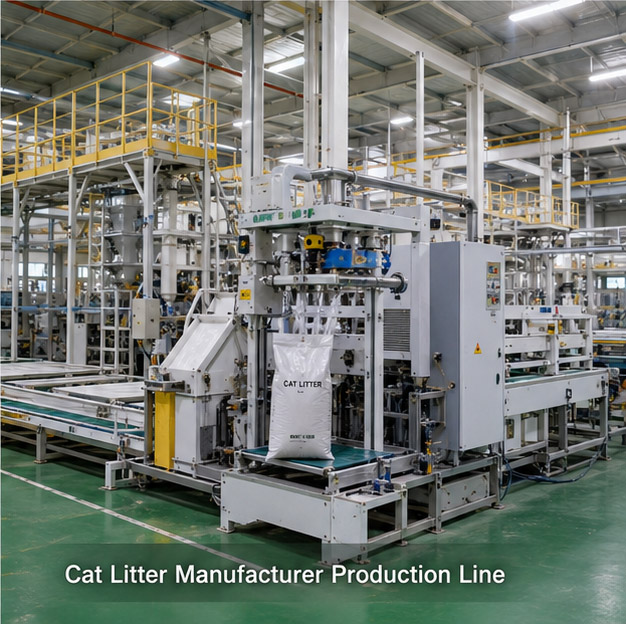
Как выбрать надежного производителя наполнителя для кошачьего туалета
Выбор правильной производственной модели — это лишь часть процесса принятия решений.
Качество и возможности вашего производственного партнера имеют не меньшее значение.
Перед выбором поставщика предприятиям следует оценить следующее:
- Производственные мощности
- Системы контроля качества
- Стабильность качества продукции
- возможности OEM
- Опыт работы в сфере экспорта
- Варианты упаковки
- надежность цепочки поставок
Если вы оцениваете потенциальных поставщиков, наше руководство Как выбрать надежного производителя наполнителя для кошачьего туалета предоставляет подробную информацию о проведении аудита заводов и выборе поставщиков.
Понимание базового процесса производства наполнителя для кошачьих туалетов также может помочь покупателям оценить качество продукции и определить надежных партнеров-производителей.
الخاتمة
При сравнении наполнителей для кошачьих туалетов от производителей оригинального оборудования (OEM) и под собственной торговой маркой (Private Label) универсального ответа не существует.
Предложения по программе «Private Label»:
- Снижение первоначальных затрат
- Более быстрый запуск продуктов
- Меньшие требования к минимальному объему заказа
- Сниженный риск
Предложения от OEM-производителей:
- Эксклюзивность продукта
- Более сильная дифференциация
- Право собственности на интеллектуальную собственность
- Более высокая долгосрочная прибыльность
Для стартапов и проведения рыночных исследований использование собственной торговой марки зачастую является наиболее практичным решением.
Для компаний, ориентированных на создание бренда и долгосрочный рост, OEM-производство, как правило, предоставляет более значительные стратегические преимущества.
Наиболее успешные производители наполнителей для кошачьих туалетов часто используют обе модели на разных этапах своего развития.
Они начинают с производства продукции под собственной торговой маркой, чтобы подтвердить рыночный спрос, а затем переходят к производству продукции по заказу (OEM) по мере укрепления узнаваемости бренда и лояльности клиентов.
Часто задаваемые вопросы
В чём разница между наполнителем для кошачьих туалетов от производителя оригинального оборудования (OEM) и наполнителем под собственной торговой маркой (Private Label)?
Наполнитель для кошачьих туалетов под собственной торговой маркой (OEM) разрабатывается в соответствии со спецификациями бренда, в то время как наполнитель под частной торговой маркой (Private Label) использует существующие заводские продукты с индивидуальным брендингом и упаковкой.
Какой вариант лучше для стартапов?
В целом, производство продукции под собственной торговой маркой (Private Label) выгоднее для стартапов, поскольку требует меньших инвестиций, имеет меньшие требования к минимальному объему заказа и обеспечивает более быстрый выход на рынок.
Выгоднее ли покупать наполнитель для кошачьих туалетов у производителей оригинального оборудования?
Продукция OEM-производителей часто обеспечивает более высокую долгосрочную прибыль, поскольку отличается большей дифференциацией и снижает прямую конкуренцию.
Могу ли я позже перейти от производства под собственной торговой маркой к производству по заказу заказчика (OEM)?
Да. Многие успешные бренды начинают с продукции под собственной торговой маркой, а затем переходят к OEM-производству после подтверждения рыночного спроса.
Требует ли OEM-производитель более высокого минимального объема заказа?
В большинстве случаев — да. OEM-производство обычно предполагает крупные тиражи из-за требований к индивидуальной настройке и организации производства.
Какая модель лучше подходит для построения бренда?
OEM-производство, как правило, лучше подходит для долгосрочного построения бренда, поскольку оно обеспечивает эксклюзивные продукты, владение интеллектуальной собственностью и более сильную дифференциацию.