




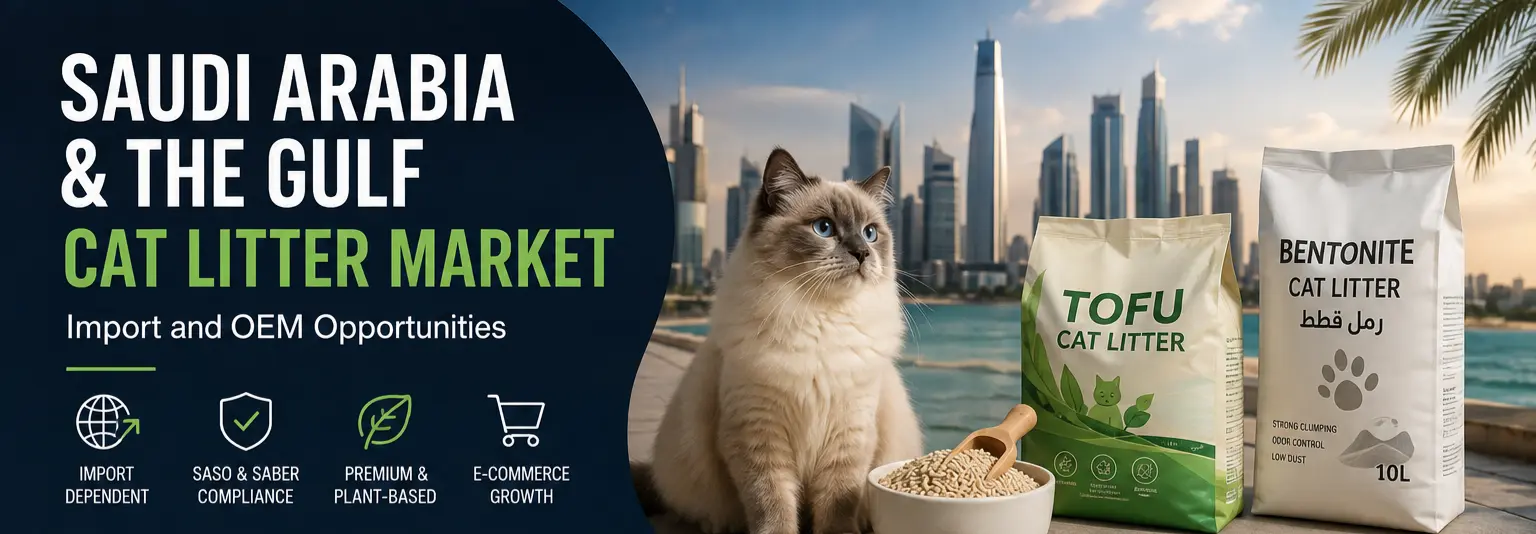
The Gulf Cooperation Council (GCC) is an increasingly important pet-care region, while cat litter supply remains heavily dependent on imports. For manufacturers and OEM suppliers, the combination of import dependence, rising premiumization, and market-specific labeling requirements creates a clear, addressable opportunity. This guide maps the market shape, the compliance considerations, the buyer profile, and how suppliers can support Gulf distributors and private-label brands from first inquiry to repeat order.
Quick Answer
Saudi Arabia and the wider Gulf are primarily import-dependent cat litter markets, so foreign supply is expected to remain important. For Saudi Arabia, importers should check the applicable SASO requirements and complete the relevant SABER conformity process, while Arabic labeling and environmental claims should be reviewed against the applicable product rules. Across the wider GCC, requirements can differ by country, so suppliers should verify each destination market separately. Premium, low-dust, plant-based formats and e-commerce are among the main commercial opportunities highlighted in this market analysis.
Saudi Arabia Cat Litter Market at a Glance
| Factor | Current assessment |
|---|---|
| Market structure | Import-dependent (limited domestic production) |
| Domestic production | Limited according to the market analysis used for this article |
| Saudi compliance platform | SABER (for the Saudi market specifically) |
| Saudi standards authority | SASO |
| GCC coordination | GSO (Gulf-level harmonization; national schemes vary by country) |
| Key commercial formats | Low-dust, plant-based, odor-control |
| Key B2B opportunity | OEM / private label |
| Main compliance caution | Verify the applicable technical regulation and substantiate any claims |
A Consumption Market, Not a Re-Export Hub
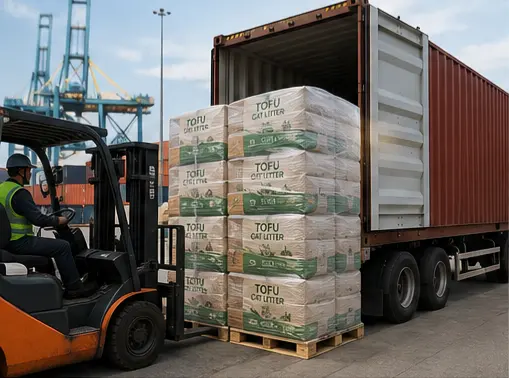
Saudi Arabia functions primarily as a consumption market for cat litter rather than a major re-export base. The market analysis used for this article indicates limited economically viable domestic bentonite production within the forecast horizon and estimates that cat-litter import volumes have generally increased by roughly 8–15% year on year in recent years. These figures are directional market-research estimates rather than official customs statistics, so they should be used as an indication of market momentum rather than a precise import-growth rate.
Regulatory Gate: SASO and SABER
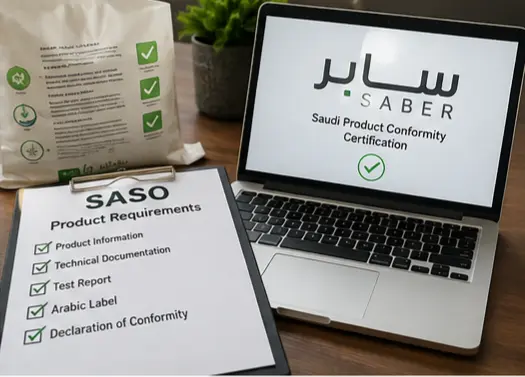
Saudi Arabia does not appear to have a standalone cat-litter standard identified in the sources used for this analysis. Importers should instead determine the product’s applicable SASO technical requirements and SABER classification. Labeling requirements, product composition, safety or test documentation, and any heavy-metal, respirable-silica, ingredient, or warning requirements should be confirmed against the applicable technical regulation and product classification before shipment.
The SFDA (Saudi Food and Drug Authority) regulates food, drugs, medical devices, and related products, while the GCC Standardization Organization (GSO) supports standards harmonization across GCC member states. For Saudi Arabia, SABER is the electronic platform used for product registration and conformity procedures. The applicable route depends on whether the product is subject to a Saudi technical regulation: regulated products may require conformity assessment and a shipment certificate, while certain unregulated products can follow a self-declaration route. Importers should therefore confirm the product classification and required SABER documentation before shipment. Background on Saudi standards and trade documentation is also available from the U.S. Commercial Service.
Labeling and Environmental Claims
Environmental claims should be treated as a substantiation issue rather than a marketing shortcut. Terms such as “biodegradable,” “compostable,” or “flushable” should be supported by evidence appropriate to the destination market and the specific claim, and suppliers should avoid generic environmental wording that cannot be documented. Saudi environmental policy also places increasing emphasis on waste reduction and resource efficiency, but GCC environmental and packaging requirements are not necessarily identical. Any future EPR or packaging obligations should therefore be checked against the latest rules before a private-label program is finalized.
Market Shape: Where Growth Concentrates
Available market-research estimates point to several directional opportunities, but the figures below should be treated as planning ranges rather than audited market shares:
- Premium formats. Plant-based, low-dust, and odor-control formulations are projected to account for an estimated 35–45% of value sales by 2035.
- E-commerce. Online channels are estimated to represent roughly 25–30% of sales and could reach 35–40% by 2030.
- Buyer profile. Some market estimates place women aged 25–44 at approximately 60–65% of purchases, although demographic methodology varies by source.
- Private label. Private-label demand creates an opening for differentiated imported ranges, although the available sources do not provide a sufficiently consistent share estimate to treat this as a precise market statistic.
These figures are directional estimates compiled from market-research sources such as IndexBox rather than official Saudi government statistics. Buyers should validate current category size, channel share, and demographic data against the latest commercial data before making investment or volume decisions.
The Gulf Buyer Profile
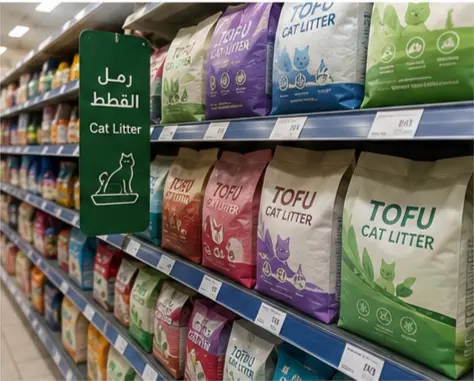
Available market estimates indicate that younger urban consumers are an important buyer group. For suppliers, the more actionable implication is to emphasize low dust, odor control, convenient pack sizes, and reliable online-ready packaging rather than treating one demographic estimate as a universal Gulf buyer profile.
What Gulf Importers Actually Need
For Gulf distributors and private-label brand owners, several supplier capabilities are particularly relevant:
- Low-dust formulations. Dust control matters in sealed, air-conditioned Gulf homes.
- Arabic-label support. Native Arabic pack copy and ingredient lists support smoother market entry.
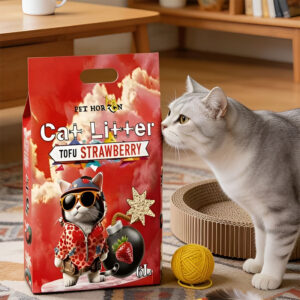
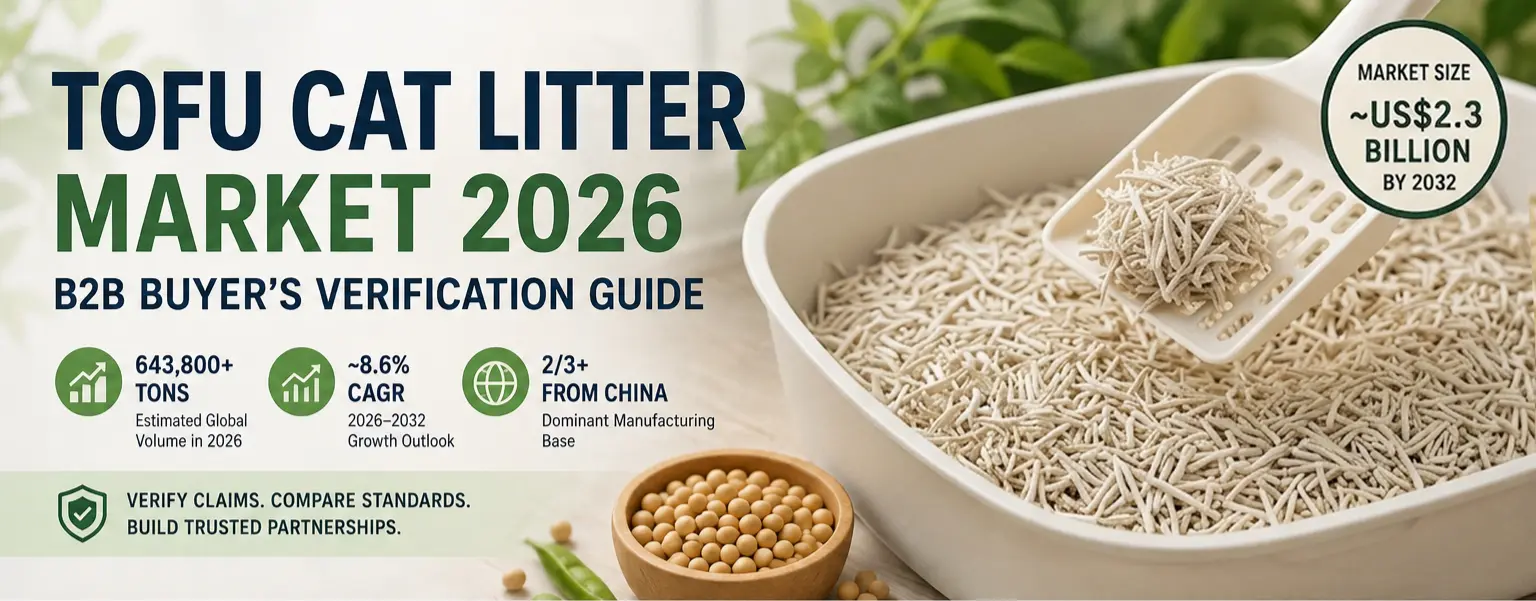
- Plant-based OEM options. Tofu and pine ranges can support premium positioning and give brands additional plant-based product options.
- SASO and SABER documentation. Product data, test reports, and the applicable conformity documents reduce customs friction.
For suppliers, these priorities translate into a practical B2B checklist:
| Buyer priority | What the OEM should provide |
|---|---|
| Product performance | Low dust, reliable clumping, and odor control suited to sealed indoor homes |
| Packaging | Durable packs suited to local heat and humidity conditions, with Arabic artwork and clear warnings |
| Compliance | Product data, test reports, and the applicable SABER documents for the Saudi market |
| Private label | Arabic packaging adaptation, MOQ flexibility, and consistent granule quality |
A tofu cat litter supplier offering Arabic packaging support and the applicable conformity documentation is well placed to serve this demand, particularly for the premium tier identified as a main growth opportunity — provided the specific product and compliance route are confirmed for the Saudi market.
Building a Gulf-Ready Private-Label Line
Building a Gulf private-label program is a supplier-selection exercise as much as a product one. The cat litter sourcing and buying guide covers how to vet an OEM on certifications, MOQ, and lead times, while the cat litter export compliance hub compiles the documentation Gulf-bound shipments require. Together they turn a market opportunity into a shippable, compliant SKU set.
Commercial Entry Checklist for Gulf Buyers
- Confirm target GCC countries and their specific labeling nuances, since national requirements differ.
- Request Arabic-label templates from your OEM and pre-clear the copy.
- Confirm the Saudi product classification and the applicable SASO/SABER documentation before the first container.
- Pilot a premium low-dust SKU through an e-commerce-friendly distributor.
- Plan for possible future packaging or EPR requirements by choosing recyclable packaging early, but confirm current obligations per market.
The SABER Registration Steps
For a first-time Saudi importer, the SABER workflow should be treated as a product-classification process rather than a one-size-fits-all certificate sequence:
- Register the product in SABER using the correct HS code and product information.
- Determine whether the product is subject to a Saudi technical regulation and identify the applicable conformity route.
- For regulated products, complete the required conformity assessment and register the relevant Product Certificate of Conformity; where permitted, an applicable self-declaration route may be used instead.
- Prepare the required technical, testing, labeling, and product documents for the applicable classification.
- Obtain the required shipment certificate for the consignment and complete customs clearance through the applicable Saudi import process.
Packaging Do and Don’t
| Do | Don’t |
|---|---|
| Use Arabic ingredient lists and warnings | Ship with English-only labels |
| Review recyclable or paper-based packaging options against the destination market’s current requirements | Make “flushable” claims without supporting evidence |
| Complete product registration and the applicable conformity process before shipment | Wait for a customs hold to start compliance paperwork |
| Sealed, humidity-resistant packaging | Breathable bags that fail in Gulf heat |
Conclusion
Saudi Arabia and the Gulf are import-dependent, premiumizing, and digitally driven — a structurally favorable market for cat litter manufacturers and OEM suppliers. For the Saudi market, success hinges on SASO/SABER readiness, Arabic labeling, low-dust and plant-based formats, and substantiated environmental claims; across the wider Gulf, suppliers should verify each destination’s requirements separately. Suppliers that deliver those elements convert Gulf distributors into long-term buyers.
Frequently Asked Questions
No viable domestic bentonite mining or processing is projected within the forecast horizon, so the country remains heavily import-dependent.
For Saudi Arabia, the importer should first determine the product’s applicable SASO technical requirements and SABER classification. The required conformity route, product documentation, shipment certificate, and labeling requirements depend on that classification and should be confirmed before shipment.
No standalone cat-litter standard is identified in the sources used for this analysis. Importers should instead determine which Saudi technical regulations and general product-safety requirements apply to the specific litter formulation and classification.
Environmental claims should be supported by evidence appropriate to the specific claim and destination market. Suppliers should avoid unqualified claims such as “biodegradable,” “compostable,” or “flushable” unless they can document the conditions and evidence supporting them.
Market-research estimates indicate cat-litter import volumes have generally increased by roughly 8–15% year on year in recent years (directional, not official customs statistics).
Premium formats, including low-dust, plant-based, and odor-control formulas, are among the main growth opportunities identified in the market research used for this analysis and are projected to reach an estimated 35–45% of value by 2035.
E-commerce is estimated at roughly 25–30% of sales and is forecast to reach 35–40% by 2030.
Some market estimates place women aged 25–44 at approximately 60–65% of purchases, although demographic methodology varies by source; treat this as a directional buyer-profile signal rather than a precise statistic.
Documentation requirements depend on the product classification. Importers typically need the applicable SABER documents, product and test documentation as required by the technical regulation, and Arabic-language labeling information — all confirmed against the specific product’s classification before shipment.
By offering Arabic packaging support, low-dust and plant-based formulas, and the product data, test reports, and other compliance documentation needed for the applicable Saudi conformity process.