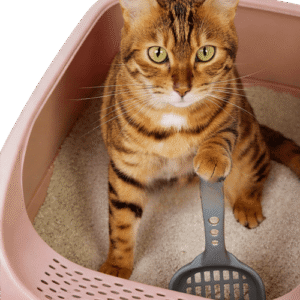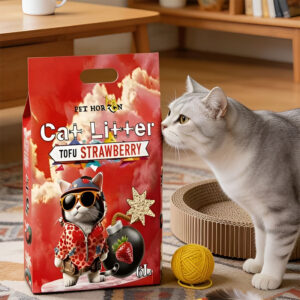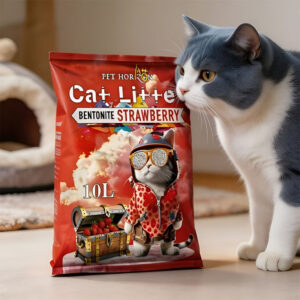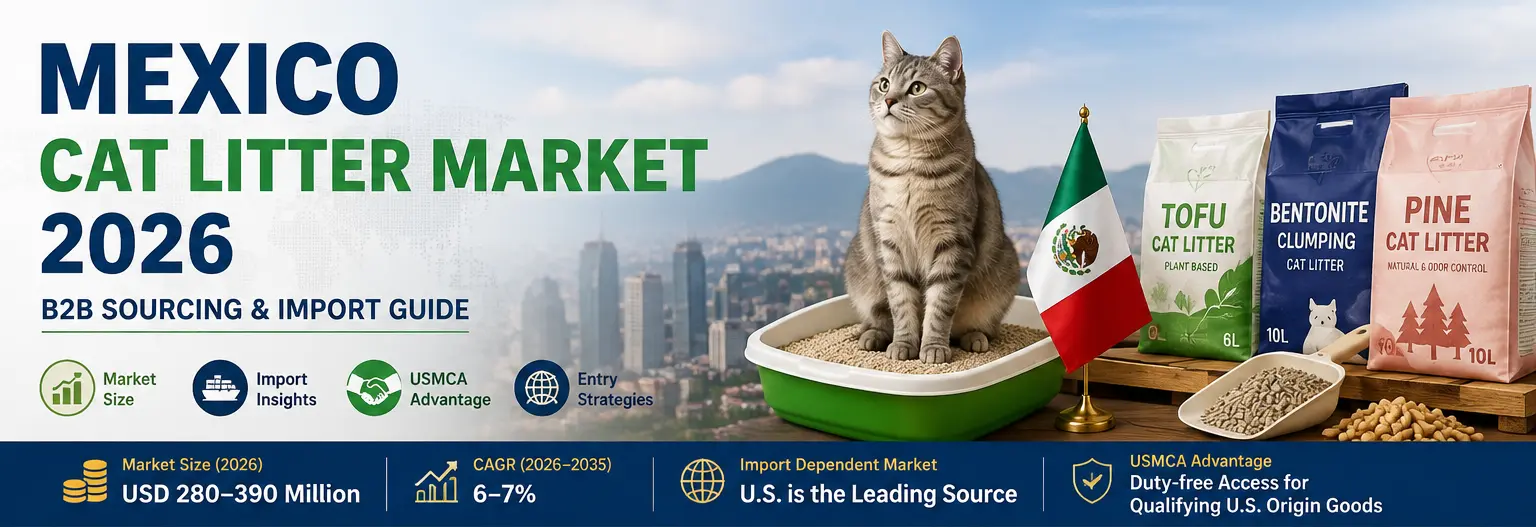


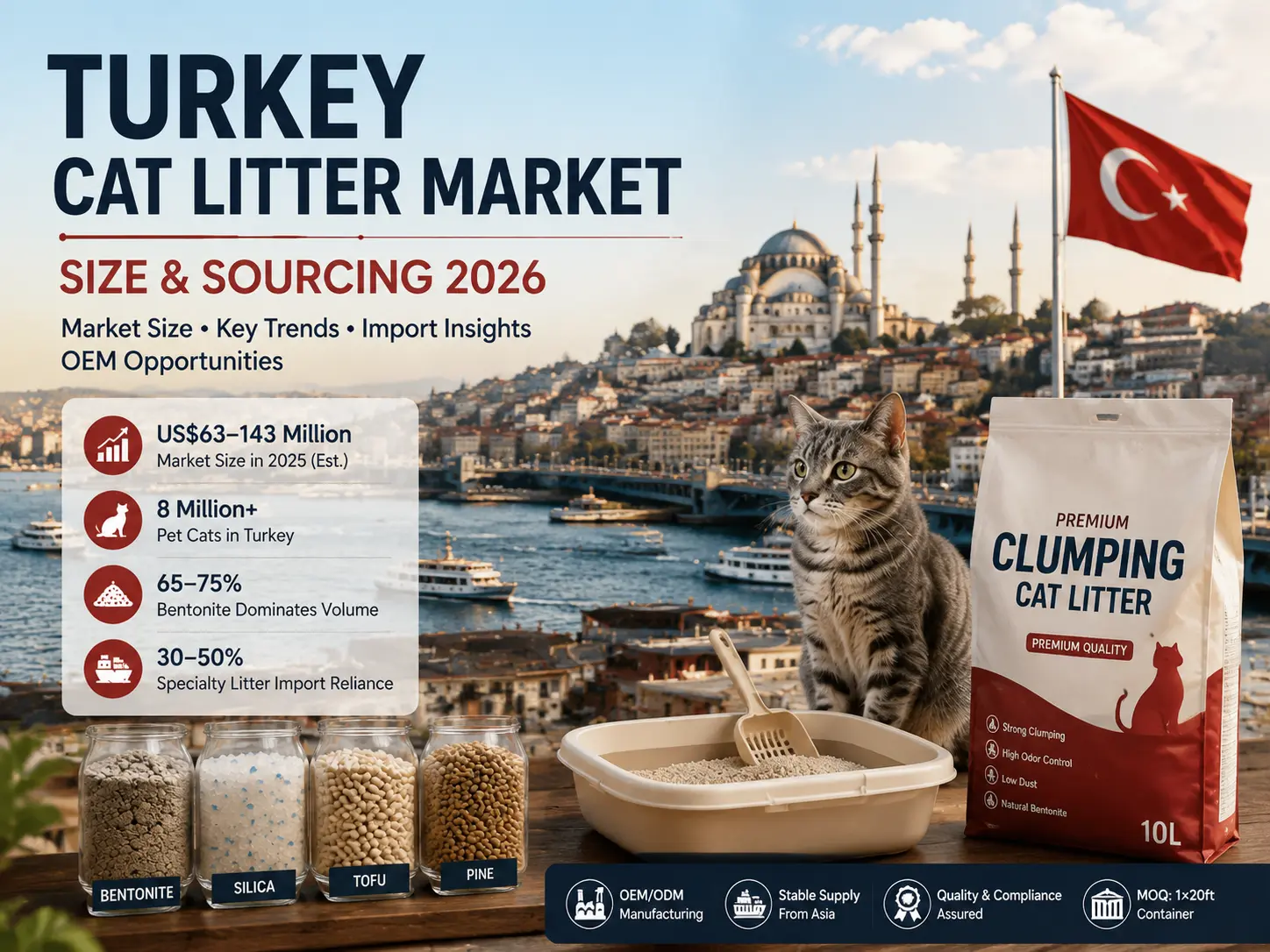
Turkey sits at the crossroads of Europe, the Middle East, and Central Asia — a fast-urbanizing pet care market with one of the largest cat populations in the wider region. For importers and private-label buyers, it is a mid-size but steadily growing category where clumping bentonite still leads and import reliance on specialty materials stays high.
Is the Turkey Cat Litter Market Worth Watching?
Short answer: Yes. Turkey represents a growing but selective opportunity for cat litter suppliers. The market is dominated by bentonite, while imported plant-based and premium low-dust products create opportunities for OEM suppliers.
- Market size: approximately US$60–140 million (2025 estimates)
- Cat population: 8M+ pet cats
- Main material: bentonite clumping litter
- Opportunity: private label and imported premium litter
Turkey Cat Litter Market Size and Growth
Published estimates diverge by base year and scope, so plan on a range rather than a single figure:
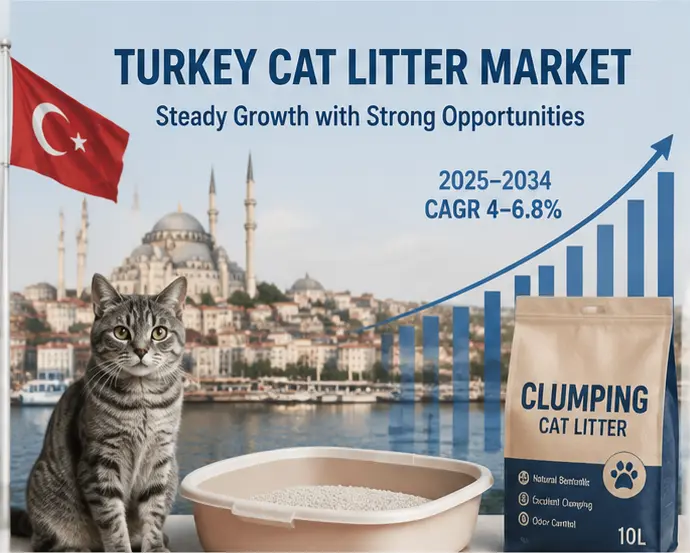
- Deep Market Insights sizes Turkey at US$63.35 million in 2025, reaching US$113.73 million by 2034 at a 6.76% CAGR.
- StrategyHelix projects ~US$40.1 million of incremental growth from 2026–2031 at about a 3.91% CAGR, implying a larger base than the DMI figure and highlighting how methodology shifts the total.
- IndexBox frames the clumping-litter segment at roughly 80,000–110,000 tonnes per year, with clumping penetration at only 65–70% of cat-owning households — meaning substantial headroom as traditional sand and non-clumping users convert.
Whichever figure you use, the direction is consistent: a steady, inflation-resilient, essential-category growth path supported by rising urban pet ownership.
Why Demand Keeps Climbing
- Large and growing cat population. Turkey hosts 8 million+ pet cats, expanding at an estimated 5–7% annually on urbanization and pet humanization.
- Apartment living. In Istanbul, Ankara, and Izmir, indoor hygiene and odor control make clumping litter a near-default choice.
- Rising single-person households. IndexBox notes a 15–20% increase in single-person households since 2020, a cohort that adopts cats and premium, low-dust litter faster.
- E-commerce and subscriptions. Online share for clumping litter has roughly doubled since 2022, now 25–30% of retail unit sales for some segments, enabling DTC and imported premium SKUs.
Product Mix: Bentonite Leads, Imports Fill the Gaps
The Turkish mix is clay-heavy but import-dependent at the premium edge:
- Bentonite clumping litter dominates at 65–75% of volume, backed by domestic bentonite reserves.
- Import reliance of 30–50% applies to specialty materials — silica gel, plant-based (corn, pine, wheat), and natural litters — sourced primarily from China, the EU, and the US.
- Premium segments (odor-lock, low-dust, plant-based) grow at 9–12% a year, capturing rising value share in both branded and private-label channels.
- Plant-based kitten litter already represents 10–15% of kitten-litter unit sales and expands at a 12–18% CAGR, outpacing the overall market.
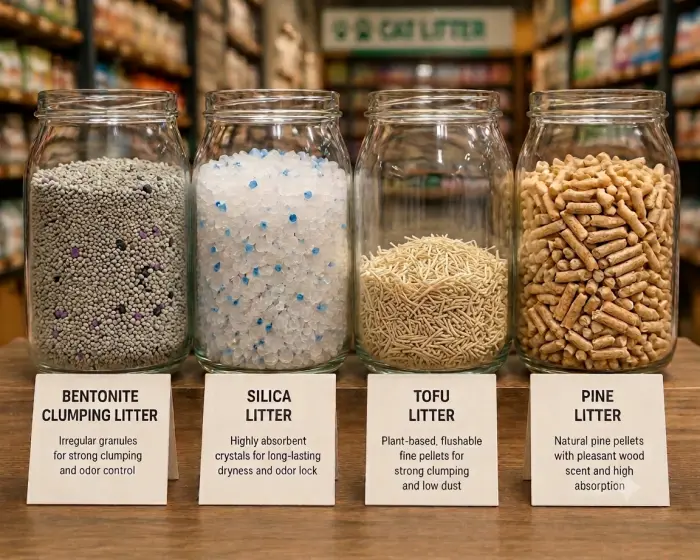
Turkey Cat Litter Market: Product Opportunity Comparison
| Product | Market Position | Opportunity for Importers |
|---|---|---|
| Bentonite | Largest volume | Competitive pricing |
| Tofu litter | Premium growth | Private label opportunity |
| Pine litter | Eco segment | Niche buyers |
| Silica | Imported segment | Premium positioning |
Private Label and Retail Dynamics
Turkish modern trade (hypermarkets, supermarkets, pet specialty chains) holds about 55–60% of distribution, with online at 25–30% and the remainder in independent shops. Private-label and retailer own-brand offers are expanding as value-conscious buyers trade down during inflation — but still want clumping performance. That creates a direct OEM opening for a supplier who can deliver consistent bentonite and plant-based private-label lines at competitive landed cost.
Import Dynamics and Sourcing From Asia
Because specialty materials are partly import-sourced, an Asian manufacturer is well placed to serve Turkey:
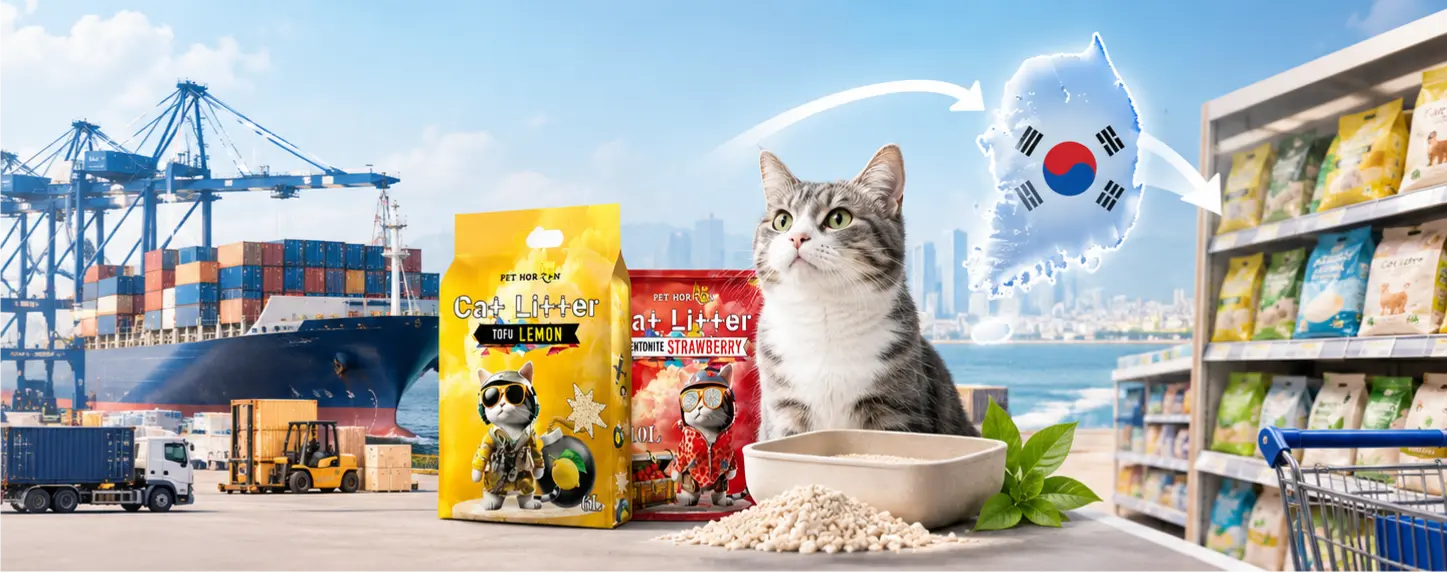
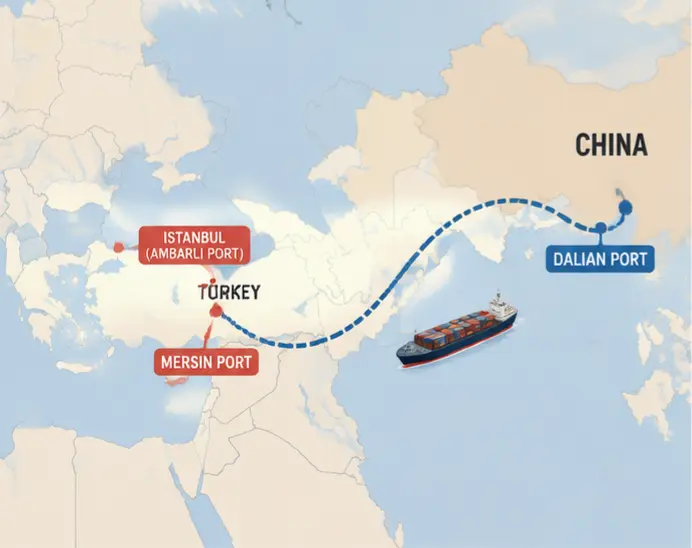
- Geography: Turkey bridges Europe and Asia; container lanes from Dalian (northern China) via major transshipment hubs reach Turkish ports such as Istanbul (Ambarli) and Mersin.
- MOQ: OEM programs typically start at 1×20ft container loads, negotiable — manageable for a first private-label or distributor program.
- Cost levers: Bulk containers and bag formats compress per-kilogram logistics for a weight-sensitive, bulk product.
Where Pet Horizon Fits as an OEM/ODM Partner
Pet Horizon is a cat litter manufacturer and OEM/ODM supplier based in Dalian, China, capable of supporting Turkish importers seeking reliable OEM cat litter production—particularly in plant-based and differentiated clumping product categories.
- 20+ years in the cat litter industry, with 10+ years operating our own OEM/ODM factory.
- Export experience across 80+ country markets, including Europe-facing supply chains.
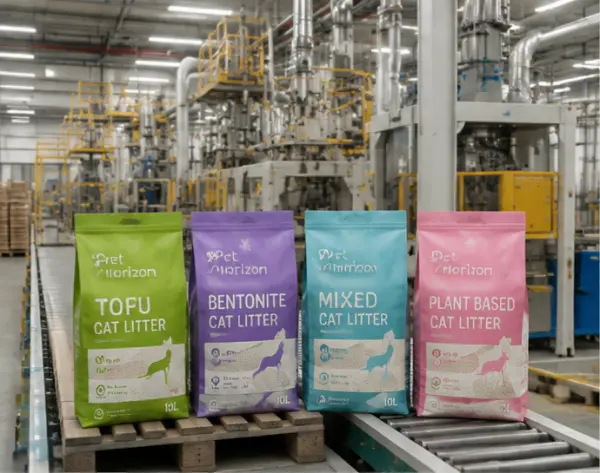
- Real production across tofu (plant-based), bentonite, pine, and mixed litter — covering both the dominant Turkish clay segment and the fast-growing imported premium segment.
- OEM programs built around private label, low-dust formulas, custom clumping, and flexible MOQs.
For a Turkish brand, retailer, or distributor, pairing a Dalian production base with a flexible container MOQ shortens the path from concept to shelf — especially for plant-based and differentiated clumping SKUs that domestic supply under-serves.
Conclusion
Turkey is a mid-size but steadily growing cat litter market with 8M+ cats, a clay-led but import-dependent mix, and rising private-label and premium demand. For an Asian OEM/ODM partner, the opening is real: supply the bentonite base and the under-served plant-based premium segment from a Dalian Port position. Compare with our Germany cat litter market analysis for a mature-European contrast, or explore our plant-based tofu cat litter solutions page for the plant-based formats gaining share in Turkey.
Frequently Asked Questions
Estimates range from about US$63 million to US$143 million for 2025 depending on source methodology, with forecast CAGRs of roughly 4–6.8% through the early 2030s. The clumping segment alone is 80,000–110,000 tonnes per year.
Bentonite clay clumping litter leads at an estimated 65–75% of volume, supported by domestic bentonite reserves. Silica and plant-based formats are smaller but imported and fast-growing.
Yes. While bentonite is produced domestically, 30–50% of specialty-material supply — silica gel, plant-based, and natural litters — is imported, mainly from China, the EU, and the US.
Yes. Retailers and e-commerce brands are expanding own-brand clumping litter as inflation pushes value-seeking buyers toward private label, while still demanding clumping performance.
Yes. Container lanes from Dalian to Istanbul (Ambarli) and Mersin are workable. An OEM partner can supply bentonite, plant-based, and mixed formats at negotiable 1×20ft-container MOQs.
OEM orders typically start at 1×20ft container loads, negotiable, which lets a Turkish brand or distributor launch a private-label program at a manageable volume.
Istanbul, Ankara, and Izmir lead demand, driven by apartment living, indoor hygiene expectations, and higher adoption of premium low-dust and plant-based formats.
Turkey’s alignment with EU pet-product safety norms is still incomplete, creating uncertainty around dust-level, flushability, and biodegradability claims. Exporters should keep claims conservative and documentation ready — see our cat litter export compliance guide.
Market figures cited from StrategyHelix (Turkey cat litter market, 2026–2031), Deep Market Insights (Turkey cat litter market outlook, 2025–2034), and IndexBox (Turkey clumping cat litter set and kitten clumping analyses). Estimates vary by methodology; treat ranges as planning assumptions, not guarantees.