




In modern cat care, cat litter is one of the most frequently purchased and replaced essential products. Unlike toys or accessories, it directly impacts daily hygiene, odor control, and long-term feline health.
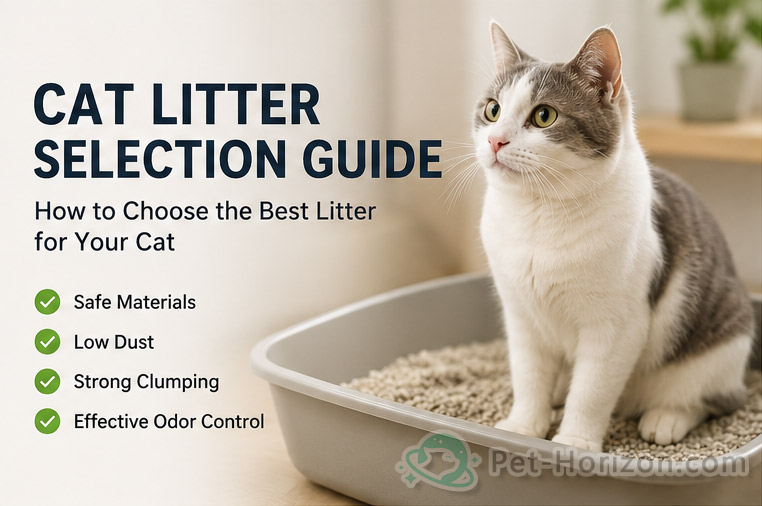
A professional Cat Litter Selection Guide is not just about comparing prices or packaging. It requires understanding material performance, manufacturing consistency, and suitability for different living environments.
Different cat litter companies apply different production standards, especially in dust control, clumping stability, and odor absorption technology. These differences significantly affect real-world performance, even when products look similar on the surface.
This guide is built around real-world usage standards commonly observed in multi-cat environments, breeding facilities, and high-frequency litter box households. It provides a structured, practical framework to help cat owners make more reliable decisions and avoid low-quality products.
Core Cat Litter Materials and Functional Positioning
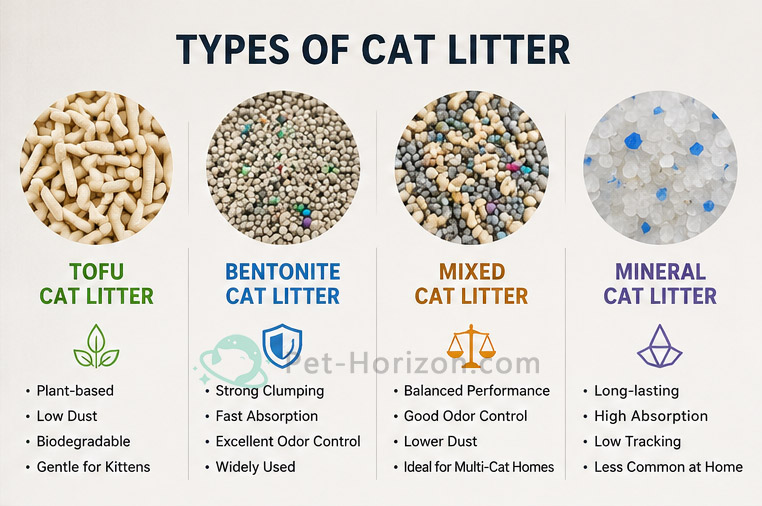
In household cat care environments, four major litter categories dominate the market: tofu cat litter, bentonite cat litter, mixed cat litter, and mineral-based litter.
Each category serves a different functional purpose rather than competing purely on quality.
Tofu Cat Litter – Safe and Low-Dust Plant-Based Option
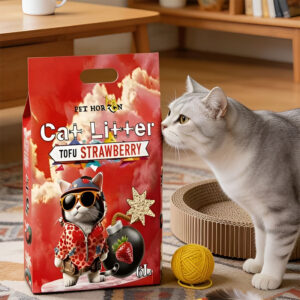
Tofu cat litter is made from plant-based materials such as pea fiber, corn starch, and tapioca derivatives. High-quality products produced by reputable cat litter companies are typically free from harmful additives and designed with rounded particles to reduce paw irritation.
It is widely recommended as cat litter for kittens and sensitive cats due to its low dust profile and gentle texture.
Key advantages:
- Low dust output
- Biodegradable and flushable (in most cases)
- Gentle on paws
Limitations:
- Slower absorption compared to mineral litter
- May require more frequent replacement in multi-cat environments
In multi-cat households, tofu litter is often used in designated zones for kittens or sensitive cats to reduce environmental stress.
Bentonite Cat Litter – High-Performance Clumping System
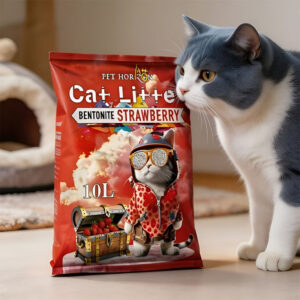
Bentonite cat litter is a mineral-based material made from processed natural clay. It is widely recognized for fast absorption and strong clumping cat litter performance.
Key advantages:
- Fast liquid absorption
- Strong clump formation
- Effective odor containment
However, quality varies significantly across cat litter companies. Lower-grade products may contain excessive dust or inconsistent particle processing.
It is generally suitable for healthy adult cats but less recommended for kittens or cats with respiratory sensitivity.
Mixed Cat Litter – Balanced Multi-Material System
Mixed cat litter combines multiple materials such as bentonite, tofu litter, activated carbon, and plant fibers. It is designed to balance clumping performance, odor control, and dust reduction.
This category is widely used in modern households and performs particularly well in environments with frequent litter box usage.
Typical benefits:
- Balanced clumping stability
- Improved odor adsorption
- Reduced dust compared to pure mineral litter
However, because there is no universal formulation standard, performance varies widely depending on manufacturing quality.
Mineral-Based Cat Litter – Industrial-Grade Application
Other mineral-based litter types such as zeolite or crystal litter are generally used in specialized environments.
They are less common in household cat care due to:
- Higher weight
- Different disposal requirements
- Limited safety tolerance in case of ingestion
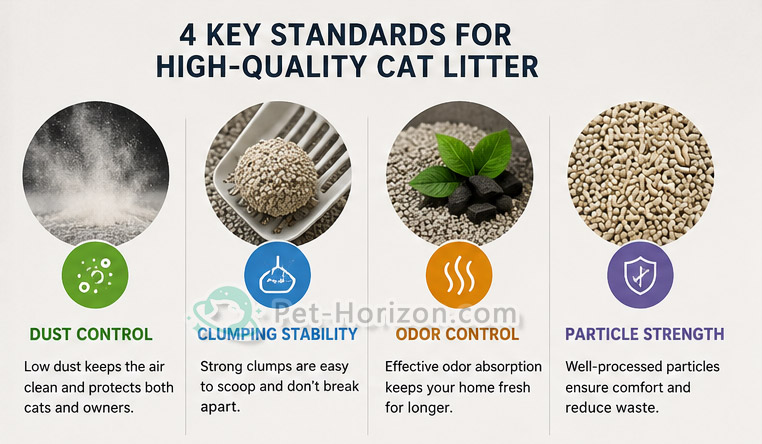
Four Scientific Evaluation Standards for Cat Litter Quality
A reliable Cat Litter Selection Guide must rely on measurable performance indicators rather than marketing claims.
Dust Control Performance
Dust level is one of the most important indicators in modern cat litter evaluation.
Excess dust can originate from:
- Raw material fragmentation
- Poor processing control
- Insufficient dust removal systems
Long-term exposure may affect respiratory comfort and cleanliness in indoor environments.
High-quality low dust cat litter typically undergoes:
- Air classification
- Polishing treatment
- Negative pressure dust removal
A simple evaluation method is shaking litter in a sealed container and observing airborne particles.
Clumping Stability
Clumping performance defines daily cleaning efficiency.
A high-quality system should:
- Form solid clumps quickly
- Maintain structural integrity
- Avoid fragmentation during scooping
Poor clumping leads to residue accumulation, increasing odor and bacterial risks.
Both bentonite and mixed cat litter generally provide better clumping performance than plant-only systems.
Odor Control System
Odor control technologies fall into three categories:
- Physical encapsulation
- Activated carbon adsorption
- Fragrance masking
Fragrance-heavy solutions are often used in low-cost products but may cause discomfort in sensitive cats.
Modern cat litter companies increasingly rely on adsorption-based systems for longer-lasting odor control without artificial scent overload.
Particle Strength and Durability
Particle structure affects both comfort and waste rate.
- Too soft → breaks into dust
- Too hard → may irritate paw pads
Balanced durability ensures stable performance in both dry and wet conditions.
Common Cat Litter Selection Mistakes (Risk-Based View)
Mistake 1: Strong Fragrance Means Better Performance
Fragrance only masks odor rather than eliminating it. In sensitive cats, strong scent environments may lead to avoidance behavior or stress responses.
Mistake 2: Bulk Low-Cost Products Are More Economical
Bulk products often lack:
- Production traceability
- Quality inspection standards
- Dust control systems
Long-term cost is often higher due to frequent replacement and poor performance.
Mistake 3: One Litter Fits All Cats
Different physiological stages require different formulations:
- Kittens → cat litter for kittens (soft, low-dust, safe materials)
- Adults → clumping or mixed systems
- Seniors → low-irritation, low-dust formulas
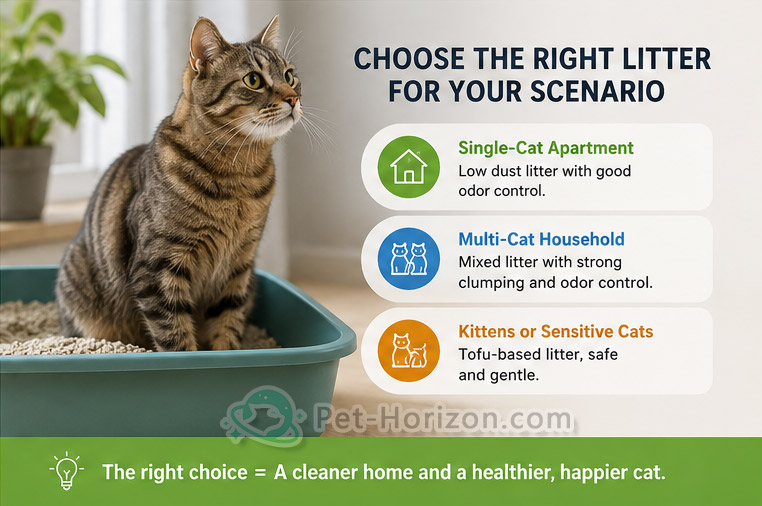
Scenario-Based Cat Litter Selection Framework
A practical Cat Litter Selection Guide should always be environment-driven.
- Kittens or sensitive cats → tofu-based litter
- Single-cat apartments → low dust cat litter
- Multi-cat households → mixed cat litter
Conclusion: Building a Reliable Cat Litter Selection Framework
Choosing the right cat litter is not about following trends or selecting the most popular product. It is about understanding material performance and matching it with real household conditions.
A well-structured Cat Litter Selection Guide always comes down to four core principles: low dust control, stable clumping cat litter performance, reliable odor management, and safe raw materials. These fundamentals remain consistent across all cat litter companies, regardless of branding or price positioning.
By applying a consistent evaluation framework and choosing based on real usage conditions, cat owners can improve hygiene, reduce odor issues, and support long-term feline health.
FAQ
What is the difference between tofu cat litter and bentonite cat litter?
Tofu cat litter is plant-based, biodegradable, and flushable, making it ideal for kittens and sensitive cats. Bentonite cat litter is mineral-based with faster clumping and stronger odor control, better suited to healthy adult cats. The main downside of bentonite is higher dust potential, especially in cheaper products.
Does scented cat litter work better for odor control?
Not necessarily. Strongly scented litters often use artificial fragrances that mask odor rather than eliminate it — and the combination of fragrance and waste can actually produce a more irritating smell. High-quality litters rely on physical encapsulation or activated carbon for odor control, which is safer and more effective for sensitive cats.
Is mixed cat litter better than pure tofu or bentonite litter?
For most household scenarios, yes. Mixed cat litter combines the strengths of multiple materials — low dust, good clumping, and reliable deodorization — making it versatile and suitable for a wide range of cats. However, the quality of mixed litter varies significantly by brand, so always check ingredient transparency and manufacturer reputation before buying.