




After years of experience in the cat litter industry, I’ve realized one thing: there is no single “best” cat litter. The real solution is finding the right combination. Many cat owners spend months switching products, searching for the best cat litter for odor control, low dust, and easy cleaning, only to end up disappointed. The reason is simple — every material has strengths and weaknesses. Understanding how to combine them properly is the key to creating a better litter box experience.
Among all materials, bentonite cat litter remains one of the most widely used options because of its strong clumping ability, natural odor control, and high acceptance among cats. However, when used alone, clay cat litter often creates problems such as dust and litter tracking. This is why mixed cat litter has become increasingly popular among experienced cat owners.
In cat communities, very few long-term cat owners rely on only one type of litter. Instead, they create a cat litter mix that balances clumping, dust control, paw comfort, and odor absorption. Commercial mixed litters are available, but many are expensive and use fixed formulas that do not suit every household. Some manufacturers even reduce costs by blending low-quality materials, leading to poor clumping and excessive dust.
Today, from the perspective of a cat litter researcher, I’ll explain the ideal bentonite cat litter ratio, the logic behind mixing litter, and practical methods that can turn affordable litter into a premium customized solution.
Why Mix Cat Litter? Understanding the Weaknesses of Single-Type Litters
Before learning how to mix litter, it’s important to understand the characteristics of each material.
Bentonite Cat Litter
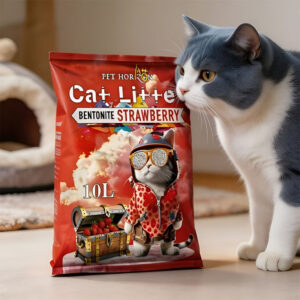
Bentonite cat litter is popular because it forms tight clumps quickly, locks in moisture effectively, and naturally controls odor. Cats also tend to prefer its sand-like texture. However, traditional clay litter can create heavy dust, track easily outside the litter box, and sometimes form hard surfaces over time.
Tofu Cat Litter
Tofu cat litter is known for being low dust, lightweight, and flushable. It reduces litter tracking and feels softer on cats’ paws. However, tofu litter absorbs moisture easily and may stick to the bottom of the litter box or develop sour odors in hot and humid environments.
Crystal Cat Litter
Crystal cat litter offers excellent moisture absorption and almost zero dust. However, it lacks clumping ability, making urine monitoring more difficult for cat owners.
Each material has benefits, but none are perfect on their own. Many people think bentonite litter is difficult to use, but the real issue is improper usage. When scientifically combined with other materials, its disadvantages can be greatly reduced.
Most cat litter manufacturers understand that mixed litter is becoming a market trend. Unfortunately, many pre-mixed formulas are created with simple cost-cutting methods. Low-quality bentonite and broken tofu particles are often blended together, leading to dust, unstable clumps, and layer separation.
According to user feedback across cat communities, manually mixing cat litter at home is often cleaner, more stable, and more cost-effective than buying expensive pre-mixed products.
The 7:3 Golden Ratio for Bentonite Cat Litter
After testing many different formulas, I’ve found that the most practical and beginner-friendly combination is:
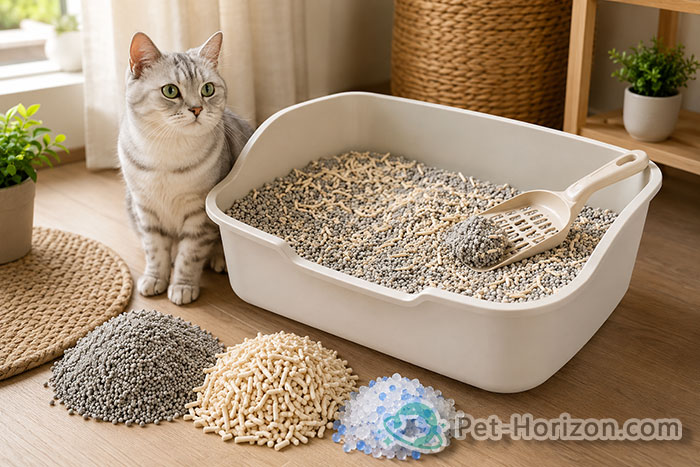
7 Parts Bentonite Cat Litter + 3 Parts Tofu Cat Litter
This ratio balances:
- Strong clumping cat litter performance
- Better odor control
- Lower dust
- Reduced litter tracking
- Improved paw comfort
It is considered by many experienced cat owners to be the ideal mixed cat litter formula for everyday households.

Why the Bottom Layer Should Be Bentonite
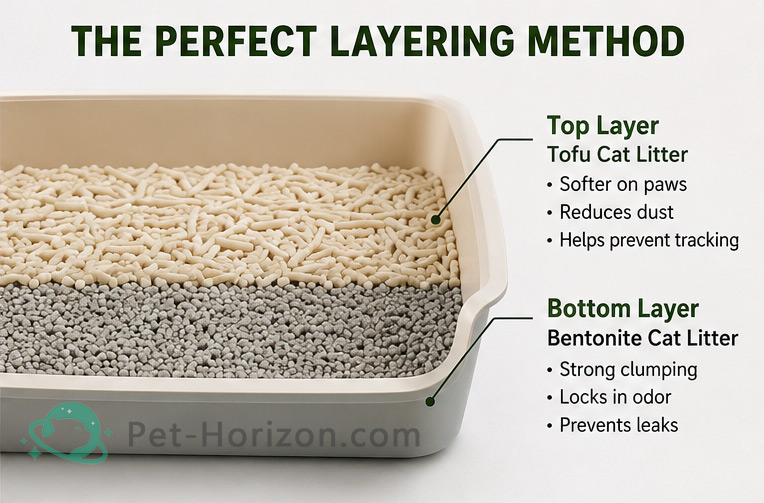
Start with a thick base layer of bentonite litter. Because of its density and strong absorption ability, it locks urine quickly and prevents moisture from reaching the bottom of the litter box.
The mineral structure of bentonite naturally absorbs ammonia odors, helping maintain a fresher litter box even when scooping is delayed. Tight clumps also make cleaning easier without leaving wet residue behind.
Why the Top Layer Should Be Tofu Cat Litter
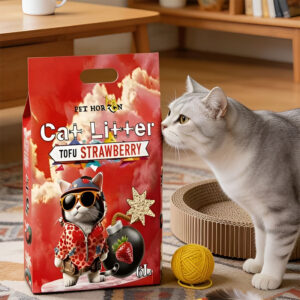
Add a thinner layer of tofu cat litter on top. The larger plant-based particles soften the texture, making the litter feel more comfortable for cats when digging.
This top layer also helps reduce dust and limits litter tracking by covering smaller bentonite particles. The result is a cleaner floor and a more pleasant litter box environment.
Why This Ratio Works So Well
This combination creates a two-layer system:
- The bottom layer focuses on clumping strength and odor locking
- The top layer improves softness, cleanliness, and dust reduction
Cats enjoy the soft texture, while owners benefit from easier cleaning and less mess.
Based on feedback from cat owners, households using the 7:3 ratio experience significantly fewer problems compared with using a single litter type. This applies to multi-cat homes, hot summer conditions, and even cats that urinate standing up.
Advanced Mixed Cat Litter Ratios for Different Situations
The 7:3 formula works for most homes, but some environments require adjustments.
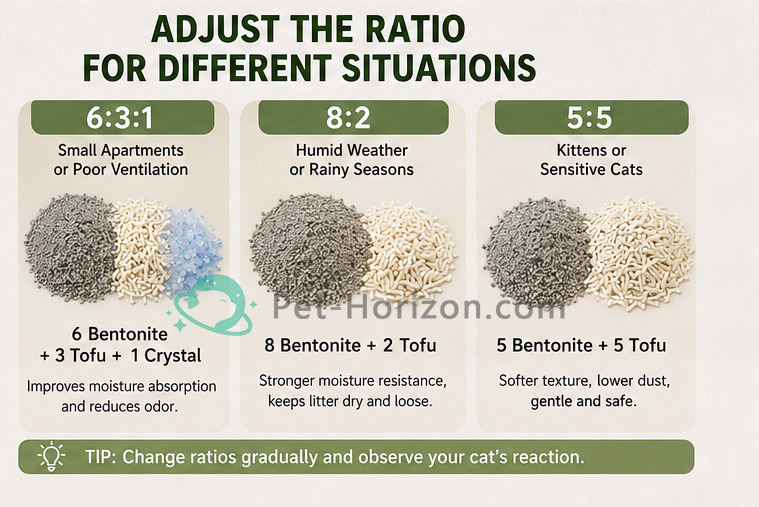
1. Small Apartments or Poor Ventilation: 6:3:1 Ratio
6 Parts Bentonite + 3 Parts Tofu + 1 Part Crystal Litter
For small apartments or closed bedrooms, adding a small amount of crystal litter improves moisture absorption and reduces stale odors.
Crystal litter helps keep the litter box dry longer, especially in rooms with limited airflow.
2. Humid Weather or Rainy Seasons: 8:2 Ratio
8 Parts Bentonite + 2 Parts Tofu
In humid climates, tofu litter absorbs moisture too easily and may become sticky or sour. Increasing the percentage of bentonite improves moisture resistance and keeps the litter box dry.
This formula works especially well in tropical or rainy regions.
3. Kittens or Sensitive Cats: 5:5 Ratio
5 Parts Bentonite + 5 Parts Tofu
Kittens and sensitive cats need softer textures and lower dust exposure.
A balanced 5:5 formula reduces irritation while still maintaining good clumping performance. It provides a gentler experience without sacrificing practicality.
Common Mistakes When Mixing Bentonite Cat Litter
Many beginners fail to get good results because of incorrect mixing methods.
Don’t Mix Aggressively
Avoid pouring all litter types together and stirring heavily. This damages the particles and creates unnecessary dust.
Instead, layer the litter naturally:
- Bentonite at the bottom
- Tofu litter on top
Cats will naturally combine the layers while digging.
Control Litter Depth
The total litter depth should stay between 6–8 cm.
The bentonite layer should be at least 4 cm thick to prevent urine leakage and maintain proper clumping.
Don’t Use Too Many Litter Types
Some people mix bentonite, tofu, crystal, and pine litter together. Too many materials create instability because of different particle sizes and densities.
For the best performance:
- Use 2 litter types ideally
- Use 3 types maximum
Simpler formulas are usually more stable.
Avoid Frequent Ratio Changes
Cats are sensitive to changes in smell and texture. Sudden adjustments may cause litter box avoidance or stress-related urination.
If changing ratios, do it gradually in small increments.
Daily Maintenance Tips for Mixed Cat Litter
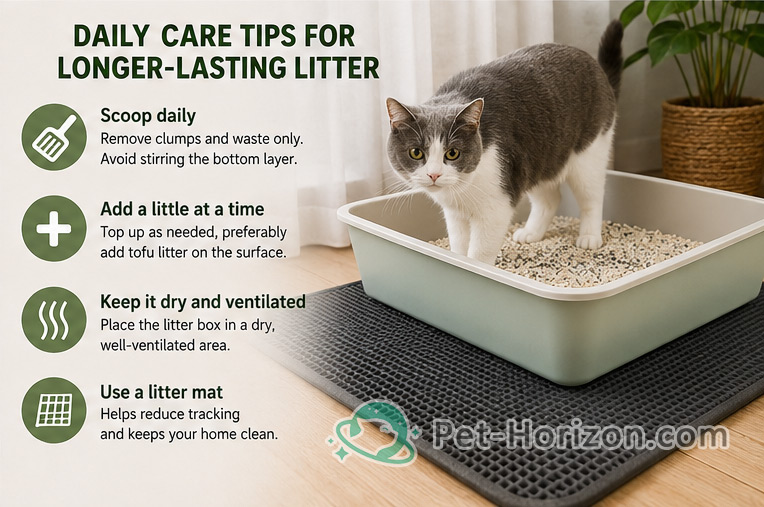
Proper maintenance significantly extends the life of mixed litter and improves odor control.
Scoop Carefully
Only remove clumps and waste daily. Avoid aggressively stirring the bottom layer, as this can release trapped dust and damage the absorption structure.
Add Litter Gradually
When the litter level drops, add small amounts instead of replacing everything immediately.
In most cases, adding tofu litter to the top layer helps maintain softness and reduce dust.
Deep-clean the litter box once per month and allow it to dry completely before refilling.
Keep the Litter Box in a Ventilated Area
Humidity shortens litter lifespan. Place the litter box in a dry, ventilated area rather than directly against walls or damp corners.
Using a litter-trapping mat also helps minimize tracking from bentonite particles.
Why Bentonite Cat Litter Still Offers the Best Value
The cat litter market continues to introduce trendy new products with increasingly high prices. However, many cat owners overlook one of the simplest and most effective solutions: manually mixing cat litter.
Bentonite cat litter remains one of the most cost-effective and reliable litter materials available. Its reputation for dust and tracking is often caused by improper usage rather than poor quality.
By using the right mixed cat litter ratio, you can combine strong clumping, low odor, reduced dust, and improved comfort without paying premium prices for commercial blends.
The simple 7:3 formula has already been tested and verified by countless experienced cat owners. It satisfies cats’ natural preference for sand-like textures while giving owners a cleaner and easier litter box experience.
Raising cats is not about spending more money — it’s about understanding what actually works. Once you understand the logic behind mixing bentonite cat litter, you can create a cleaner, more comfortable, and more affordable litter solution for both cats and humans.
If you’ve struggled with clay litter dust, litter tracking, or expensive pre-mixed formulas, the golden ratio approach may completely change your experience. Sometimes the best cat litter solution is also the simplest one.
FAQ
What is the best ratio for bentonite cat litter?
The most recommended ratio is 7 parts bentonite cat litter and 3 parts tofu cat litter. This combination balances clumping, odor control, dust reduction, and paw comfort.
Can I mix more than two types of cat litter?
You can, but most experts recommend using no more than three types. Too many materials may separate easily and reduce overall stability.
Is bentonite cat litter safe for kittens?
Yes, but kittens generally do better with a softer and lower-dust formula, such as a 5:5 bentonite and tofu litter mix.
How often should mixed cat litter be completely replaced?
With proper daily scooping, mixed cat litter usually needs a full replacement and litter box cleaning about once every month.